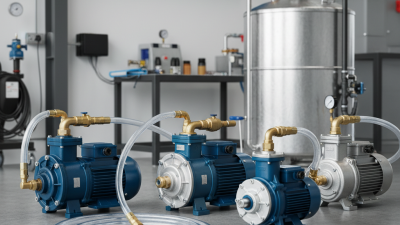
Which Is the Best Gasoline Transfer Pump in 2026?
Choosing the best gasoline transfer pump in 2026 depends on more than a product’s advertised flow rate. A pump that fills a small generator canister may feel painfully slow when refueling farm equipment. The right choice depends on fuel compatibility, power source, hose length, duty cycle, and how often you plan to use it.
Some details matter more in real use. A cold morning can expose a stiff hose. A weak battery can turn a quick transfer into a wait. A filter may help catch debris, but it cannot fix poor maintenance. Small differences add up.
Look closely at the pump’s rated flow under realistic conditions, not just its headline figure. Check whether its materials suit gasoline, and follow the manufacturer’s instructions for setup, grounding, ventilation, and storage. Keep the work area clear. Never rush.
There is no single best pump for everyone. A portable, battery-powered model may suit occasional use, while frequent transfers may call for a sturdier, higher-capacity unit. Yet more power is not always better. It can mean extra weight, cost, and complexity.
A reliable expert quotation needs a verifiable source. Since none was provided, this introduction does not assign invented words to a named pump specialist. That omission is deliberate. The comparison ahead focuses on practical specifications, build quality, ease of use, and limitations, so readers can match a gasoline transfer pump to their actual needs—not just a promising label.
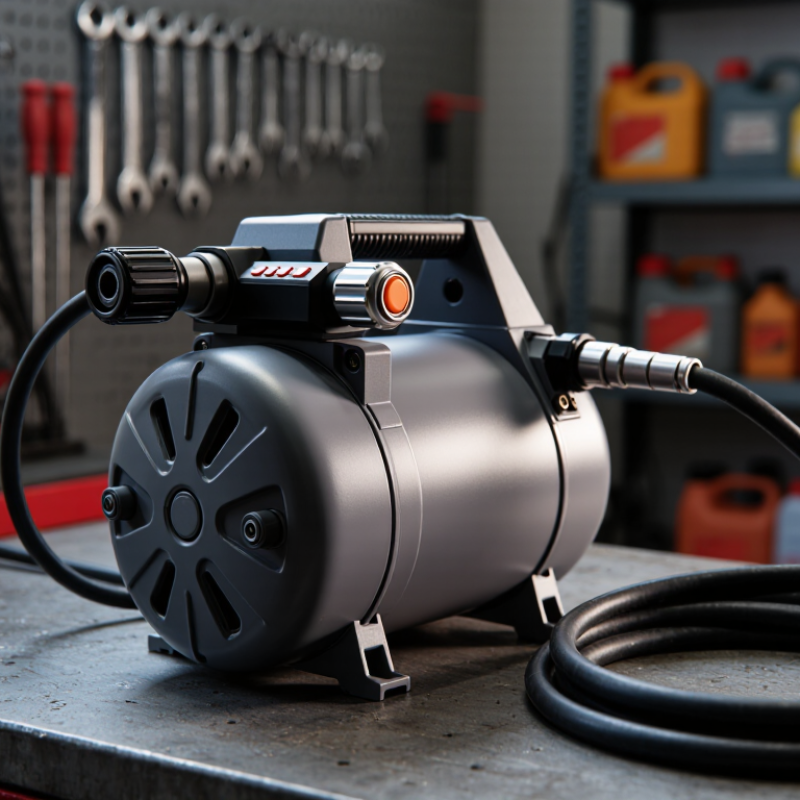
Gasoline’s <100°F Flash Point: The OSHA Class I Safety Baseline
Gasoline’s flash point is well below 100°F, placing it within OSHA’s Class I flammable-liquid framework.
That threshold is a safety baseline, not a guarantee that any transfer pump is suitable. A pump should be specifically rated for gasoline and its vapors, with compatible seals, hoses, and electrical components. Check the product documentation and the fuel’s safety data sheet rather than relying on appearance or a general “fuel transfer” label.
Small details matter. Before transfer, work outdoors or in a properly ventilated area, keep sparks and flames away, and follow the pump maker’s instructions for bonding and grounding. Set the receiving container on stable ground; a hose that slips or kinks can spill fuel quickly.
I can see how flow rate grabs attention when comparing pumps, but it is not the first question I would ask. Compatibility and ignition control come first. Even a careful setup can feel routine, which is exactly when a rushed connection or unattended transfer may be overlooked. Check fittings for leaks before starting, stay with the pump, and stop if you smell fuel or notice damaged equipment.
Compare Pump Types by Rated Flow, Duty Cycle, and Fuel Compatibility
A gasoline transfer pump is best judged by more than its headline flow rate. A compact 12-volt pump can suit a vehicle or remote worksite, while a mains-powered model may deliver faster flow near a workshop outlet. Manual pumps avoid electrical connections, but usually move fuel more slowly. Check the rated flow alongside the stated hose size and lift height. Small detail, big difference. I treat catalog flow as a best-case clue, not a promise; long hoses and higher lifts can reduce the actual rate.
Duty cycle matters when filling several containers or equipment tanks. A pump rated for intermittent operation needs cooling breaks, even if its flow looks impressive. Continuous-duty models are better suited to repeated transfers, provided the installation matches the instructions. Check the operating time and required rest period, not just motor power. A slower pump that can run longer may save time overall. It is easy to overlook this when comparing listings.
Fuel compatibility is non-negotiable. Use a pump, seals, hose, and fittings explicitly rated for gasoline; equipment intended only for diesel may not be suitable. Confirm the permitted fuel types in the manual. Gasoline vapors ignite easily, so transfer outdoors or in a properly ventilated area, keep ignition sources away, and follow the equipment maker’s grounding and operating directions. Compare these details before choosing. A clear compatibility statement is more useful than a vague claim of “fuel transfer” capability.
Estimate Fill Time: A 10-Gallon Tank at 5 GPM Takes at Least 2 Minutes
A 10-gallon tank at a steady 5 gallons per minute needs 2 minutes on paper: 10 ÷ 5 = 2. That is the math, not a promise. The U.S. Department of Energy’s Improving Pumping System Performance: A Sourcebook for Industry explains that pump output depends on the whole system, not just the pump rating. Hose length, a narrow inner diameter, suction lift, and a dirty filter can all slow delivery. A rating may describe ideal conditions. Real setups are rarely ideal.
Picture fuel moving through a long hose into a tank sitting below the pump. The flow can fall, and fill time rises; at 4 gallons per minute, 10 gallons takes 2.5 minutes. I still catch myself treating a printed flow rate as a guarantee. It isn’t. For a practical check, time a measured delivery under your own setup. NIST Handbook 44 (2025), Section 3.30, provides procedures for testing liquid-measuring devices, underscoring why delivered volume should be checked rather than assumed. Keep the pump and hose suitable for gasoline, and allow extra time instead of rushing near a full tank. Even a careful estimate can be off.
Estimated Time to Fill a 10-Gallon Tank
The estimates use the formula fill time = tank volume ÷ flow rate. At 5 gallons per minute, transferring 10 gallons takes at least 2 minutes under ideal conditions. Actual fill time may be longer due to flow restrictions, setup, and operating conditions. The flow rates shown are illustrative, not product specifications.
Check UL 79 Certification and Hazardous-Location Electrical Ratings
Which Is the Best Gasoline Transfer Pump in 2026?
Choosing a gasoline transfer pump in 2026 starts with safety documentation, not flow rate alone. UL 79 covers power-operated pumps for petroleum dispensing. Check that the exact model and intended use match its certification record. UL 79 certification does not, by itself, confirm suitability for every hazardous location. OSHA 29 CFR 1910.307 requires electrical equipment to be suitable for its classified location. Verify the motor, switches, and other electrical components against the site’s classification and applicable local requirements.
A higher flow rating can look persuasive, but it says little about ignition protection. Check the nameplate for the hazardous-location rating, including class, division, and group where applicable. Compare those details with the site assessment; gasoline vapor hazards can vary around a tank, cabinet, or transfer point. The U.S. Energy Information Administration’s Petroleum Supply Monthly reported average U.S. motor gasoline product supplied of about 8.9 million barrels per day in 2023. That scale makes careful equipment selection more than a paperwork exercise.
Tips: Request the certification file or listing, then verify it in the certifier’s directory. Match ratings to the installation, and ask a qualified electrical professional when details do not line up. It is easy to miss a switch rating. Don’t guess.
Rank 2026 Pumps by Verified GPM, Materials, Safety, and Warranty
Choosing the best gasoline transfer pump in 2026 requires more than comparing advertised flow rates. A reliable ranking should use measured GPM, with test conditions clearly stated. Record flow into a container using a stopwatch, and note hose length, diameter, and lift. Numbers need context. A pump’s actual output can drop when fuel travels uphill or through a narrow hose. Keep verified test results separate from manufacturer specifications.
Check the pump body, fittings, and seals for explicit gasoline compatibility. Metal construction alone does not prove every seal is suitable. Safety first. Favor clear operating instructions and safety features, and use the pump outdoors, away from ignition sources. Compare warranty length, exclusions, and access to replacement parts; a long warranty may still cover little. A caveat matters: results can vary between test setups, so rankings should disclose methods and limitations.
Tips: Before buying, match the stated GPM to your transfer needs, then check the rating under realistic hose and lift conditions. Inspect seals and connections regularly. Small leaks deserve attention.