China’s gas transfer pump sector offers buyers a wide range of designs, materials, and service options. The right choice depends on the gas, operating pressure, flow rate, and installation conditions. A pump selected from a catalog alone may not fit the duty. Details matter.
As [verified industry expert’s name] explains, “[Insert a checked, directly sourced quotation about gas transfer pumps.]” That quotation should be confirmed against a reliable source before publication. This guide compares Chinese manufacturers through practical criteria: product range, engineering capabilities, quality controls, customization, and after-sales support. Look for clear specifications, including seal materials, motor protection, and performance at the required operating point. Ask for test records, too.
A polished website is not proof of suitability. Nor is the lowest price. Buyers should check whether a manufacturer can explain how its gas transfer pump handles the intended gas and duty cycle. Request drawings and written technical data. Then compare service response and spare-parts availability. Small gaps in documentation can become costly surprises. Manufacturer rankings also need context: capabilities vary by model, and published claims may not reflect every production run. This overview provides a starting point, not a substitute for technical review.
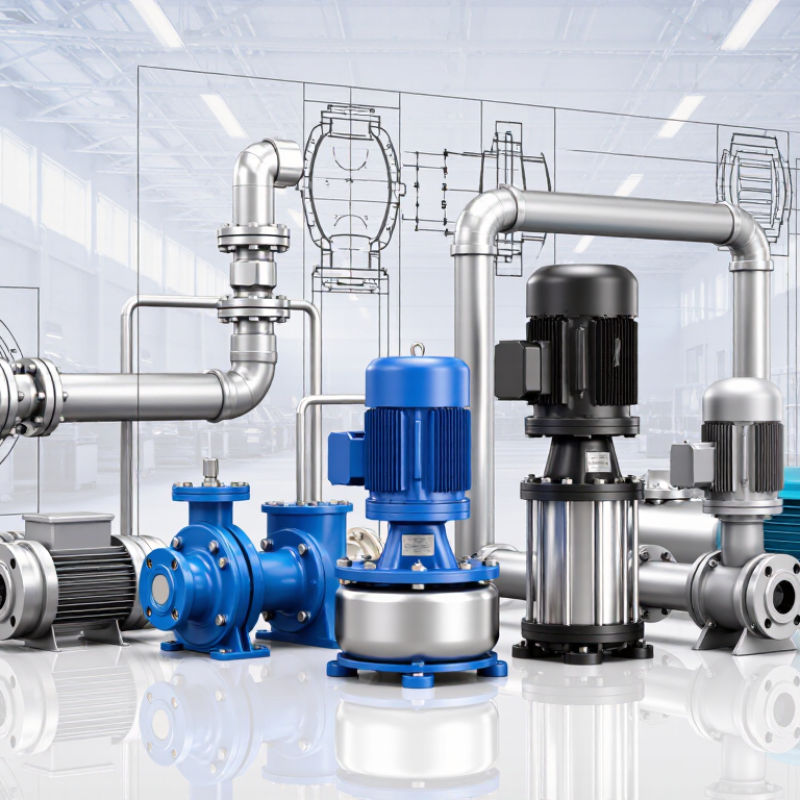
Gas transfer equipment serves several distinct duties. Some systems move gaseous streams using compressors or vacuum pumps; others pump liquefied gases such as LPG or refrigerants. Applications include vessel evacuation, gas boosting, and liquid transfer between storage tanks and process lines. The distinction matters: a pump designed for liquid service may not safely handle gas. Small leaks matter.
Selection starts with the fluid’s phase, pressure, temperature, and flow rate. Engineers also check vapor pressure, seal compatibility, suction conditions, and materials that contact the fluid. During LPG unloading, for example, a warm suction line can encourage vapor formation and disrupt steady flow.
The U.S. Department of Energy’s Improving Pumping System Performance sourcebook reports that pumping systems account for nearly 20% of global electricity demand. It also estimates they use 25–50% of energy in some industrial operations.
These figures cover pumping systems broadly, not gas-transfer equipment alone. That distinction is easy to overlook. In practice, operating records, leak checks, and measured power use help verify whether a selected system performs as intended.
China’s gas transfer pump sector is organized less like a single industry hub and more like a network of specialized suppliers. Manufacturing activity is often concentrated in industrial regions with access to metalworking, motor production, seals, and machining services. This proximity can shorten sourcing and repair cycles. It can also make supplier capabilities uneven.
A typical production chain starts with component makers supplying housings, shafts, impellers, motors, and sealing parts. Pump manufacturers then handle design selection, assembly, and performance checks. Some firms focus on standard models, while others build equipment to customer specifications. Testing may include flow, pressure, leakage, and continuous-operation checks. Ask for the test conditions, not just a performance figure. That detail matters.
Export-oriented manufacturers may work through trading companies or technical distributors, while larger producers often manage engineering support directly. Buyers should check whether the supplier understands the gas type, operating temperature, duty cycle, and installation environment. These details affect material and seal choices. A polished catalog is useful, but it cannot replace clear test records and responsive technical communication. Some smaller suppliers may offer flexibility, yet documentation can be thin. That is worth questioning.
Leading gas transfer pump manufacturers in China are best judged by engineering depth, production consistency, and support after delivery, not by catalog size alone. Capable factories typically offer several pump designs, clear performance curves, and options for seals and wetted materials. Ask how each model handles gas composition, pressure, temperature, and duty cycle. Details matter.
A reliable supplier should explain its testing process in practical terms. Request inspection records, material traceability, and test results under conditions close to your operating needs. A test bench, calibrated gauges, and documented leak checks are useful signs of process control. They are not guarantees, though. Confirm what the records actually cover, and whether the delivered unit receives the same checks.
Technical communication is another useful measure. Engineers should be able to discuss flow stability, vibration, maintenance intervals, and likely wear points without relying only on broad claims. Compare lead times, spare-part availability, and the clarity of installation guidance. A low quoted price can conceal a costly compromise. Even detailed specifications may leave questions about real-world service life, so request references for comparable applications and review the assumptions behind every performance figure. No pump fits every system.
When comparing gas transfer pump manufacturers in China, examine the working principle before comparing price. Liquid-ring models tolerate some moisture, while dry screw and Roots systems serve different pressure and flow ranges. Ask for performance curves at your actual inlet pressure, gas composition, and operating temperature. A catalogue maximum is not a duty point.
Product range matters, but so do materials, sealing, and test records. Check whether wetted parts suit the specified gas, and request measured leakage and vibration data. The U.S. Department of Energy’s Improving Pumping System Performance sourcebook estimates that pumping systems use nearly 20% of global electricity; this is a broad pumping estimate, not a gas-pump figure. Efficiency deserves attention. Compare test conditions carefully.
Certifications need close reading. ISO 9001 concerns quality management, while product conformity marks apply to specific products and markets. Neither alone proves a pump’s field performance. Ask for certificate scope, issuing body, and traceable factory test reports. For export projects, verify destination-specific requirements. One detail is often missed: service access. A technically capable unit can still frustrate operators if seals or filters are difficult to inspect. DOE, Improving Pumping System Performance: A Sourcebook for Industry.
An anonymized comparison of common manufacturer capability profiles. These profiles describe pump technologies and relevant standards; they do not identify or rank specific companies. Certification applicability and status should be confirmed for the exact manufacturer, facility, and pump model.
| Manufacturer capability profile | Core technology | Typical products and uses | Key selection considerations | Relevant certification or standards checks |
|---|---|---|---|---|
| Reciprocating compressor and gas-booster specialists | Positive-displacement compression using reciprocating pistons or diaphragms. | Gas boosting, cylinder filling, gas recovery, and process-gas compression; the suitable design depends on gas composition, pressure, and flow. | Confirm inlet and discharge pressure, capacity at operating conditions, gas compatibility, cooling method, leakage requirements, and duty cycle. | Request the applicable pressure-equipment documentation and any hazardous-area certificates required by the installation. ISO 9001 concerns an organization’s quality-management system, not pump performance. |
| Diaphragm-pump specialists | A flexible diaphragm separates the pumped medium from the drive mechanism; gas-service designs vary by configuration. | Selected gas transfer, sampling, dosing, and applications where separation or reduced leakage is important. | Check whether the specific model is designed for gas rather than liquid service, plus pressure limits, diaphragm material, pulsation, and leak-detection provisions. | Ask for model-specific performance and material records. Where explosion protection is required, verify the certificate and equipment marking against the site classification and destination-market rules. |
| Vacuum-pump and process-vacuum specialists | Common technologies include liquid-ring and rotary-vane designs; each has different gas-handling and operating characteristics. | Gas extraction, vacuum generation, vapor handling, and process evacuation within the design limits of the selected pump. | Compare ultimate pressure, suction capacity across the operating range, water-vapor tolerance, sealing-fluid needs, gas temperature, and material compatibility. | Verify performance-test documentation and applicable electrical or hazardous-area approvals for the complete supplied assembly, including motor and accessories. |
| Rotary-lobe and dry gas-handling specialists | Rotating positive-displacement elements move gas; some designs use non-contacting rotors and external timing gears. | Low-pressure gas transfer, air or gas boosting, and selected industrial process duties. | Check differential pressure, temperature rise, clearance and contamination limits, pulsation, noise, and whether the duty requires compression beyond the pump’s rated range. | Request declared operating limits, test results, and documentation for the intended gas and installation. Do not assume a general product certificate covers every configuration. |
| Integrated gas-system manufacturers | Package engineering combining a pump or compressor with a motor, controls, piping, instrumentation, and safety devices. | Skid-mounted gas transfer, recovery, boosting, or vacuum systems configured for a specified process. | Assess system-level capacity, controls, safeguarding, interface requirements, commissioning support, spare parts, and responsibility for the complete package. | Request a compliance matrix identifying which standards apply to the pump, motor, controls, pressure components, and assembled system. Confirm certificates are valid for the destination market. |
Buyer note: “Gas transfer pump” can refer to different equipment types. Compare suppliers using the actual gas composition, required flow and pressure, operating conditions, hazardous-area classification, and destination-market requirements. A certificate should be checked for scope, issuing body, validity, and model coverage.
Choosing a Chinese gas transfer pump manufacturer starts with the gas, not the catalogue. Identify its composition, temperature, moisture, and corrosive or flammable characteristics before comparing models. Ask for a performance curve showing flow at your required inlet and discharge pressures. A pump rated only by maximum flow may disappoint under real operating conditions. Small detail, big difference. Confirm wetted materials, seal design, motor rating, and operating limits in writing. Request test records tied to the specific pump or production batch, not just a generic certificate.
A capable supplier should explain how the pump handles startup, continuous duty, vibration, and maintenance. Ask which inspections are performed and whether test results are recorded. Check if spare seals and valves will remain available. Factory video calls can help, but serial-numbered records and sample reports offer stronger evidence. Review export experience and conformity documents for your destination market; requirements can vary by application. Compare lead time, packaging, and warranty terms alongside price. I would not treat a fast reply as proof of reliability; specific answers matter more. Still, even detailed answers need checking against the installation. That part is easy to underestimate.