China’s gasoline transfer pump market deserves careful comparison, not a rushed top-ten list. A pump may look robust on a catalog page yet struggle with frequent transfers, long hose runs, or inconsistent maintenance. Buyers should compare flow rate, pressure, materials, motor protection, service access, and documented testing. Small details matter. A worn seal can turn a routine transfer into a costly interruption.
Industry data also needs context. The U.S. Energy Information Administration tracks gasoline use through its “product supplied” measure, a useful indicator of fuel-market activity. It is not a direct measure of Chinese pump demand, however. Readers should treat global fuel statistics as background, then verify manufacturers’ specifications and production claims against product documents and independent testing. A polished ranking alone is not proof.
A reliable expert quotation should be traceable to a named professional and a published source. No verified gasoline transfer pump expert quotation or source material was supplied for this introduction, so inventing one would weaken its credibility. That is an imperfect gap, but an important one. This guide will assess China-based manufacturers through evidence readers can check: product range, technical documentation, quality controls, export experience, and after-sales support. It will also distinguish stated capabilities from independently confirmed facts.
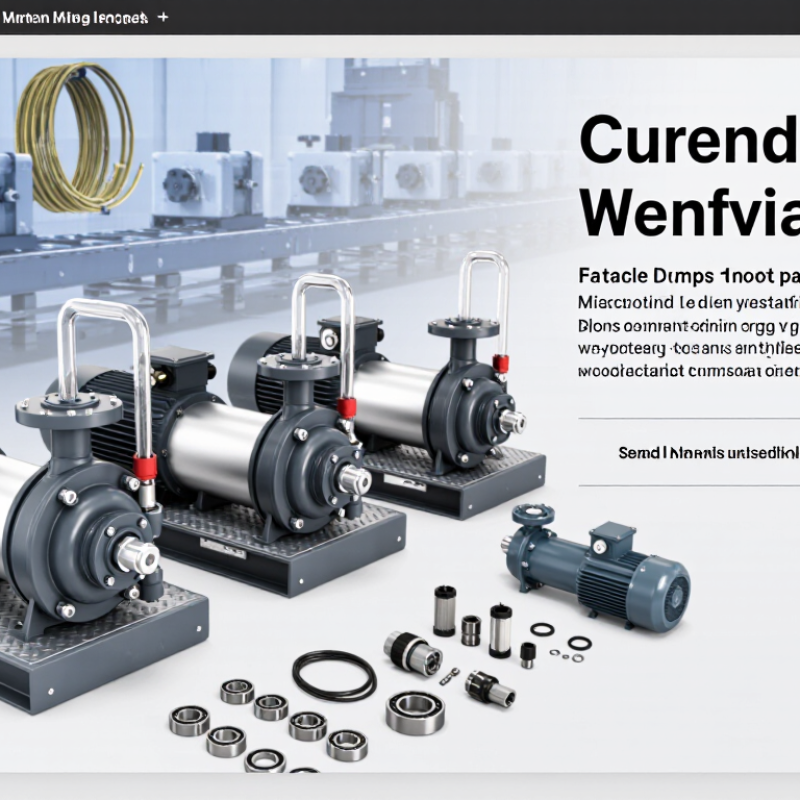
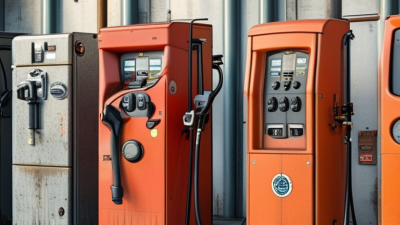
A gasoline transfer pump moves fuel from a storage container to equipment, vehicles, or another approved tank. Its job sounds simple. It isn’t always. The pump must handle gasoline safely and deliver a suitable flow without leaks, excessive heat, or unnecessary delays. Materials, seals, hoses, and fittings should be designed for gasoline service; ordinary water pumps are not suitable substitutes.
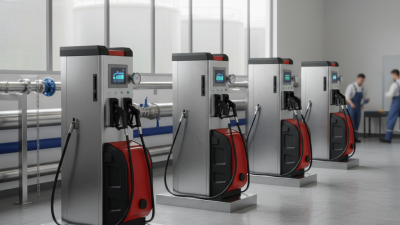
These pumps are used at vehicle service sites, farms, construction areas, and other locations where approved fuel storage supports daily work. A compact unit may serve small equipment, while higher-capacity systems can support repeated fueling tasks. Flow rate matters, but so do suction lift, power supply, hose length, and the size of the receiving tank. A fast pump may be inconvenient if its hose is too short or its connections do not fit.
Good installation and routine checks make a practical difference. Keep the setup in a well-ventilated area, control ignition sources, and follow the equipment manufacturer’s instructions. Inspect hoses and seals for cracks, stiffness, or seepage before use.
A small leak is not a small issue.
Operators should also consider how fuel will be contained if a connection fails. Choosing a pump only by price or advertised speed can miss these details; comparing real operating conditions is less exciting, but usually more useful.
Choosing among China’s top 10 gasoline transfer pump manufacturers requires more than comparing prices. Start with technical fit. Check the pump’s flow rate, pressure range, self-priming ability, and compatibility with gasoline, seals, hoses, and fittings. Ask for performance data under real backpressure, not only laboratory conditions. Look beyond catalog promises.
Safety evidence matters greatly. A reliable manufacturer should provide documented testing, production traceability, grounding guidance, and suitable protection against overheating or ignition risks. Request quality records for motors, switches, castings, and sealing materials. Verify whether the equipment meets the standards required in your destination market. Experienced engineers should explain these details clearly, without hiding behind vague certificates.
Factory capability is another practical measure. Review assembly areas, calibration equipment, inspection procedures, and spare-parts availability. A supplier with export experience should offer readable manuals, installation drawings, and responsive technical support. Ask for references from similar fuel-handling applications, while checking whether those references are verifiable. No factory is perfect. However, repeated complaints about leaks, unstable flow, or delayed parts reveal weak control. A remote video audit can help, but it cannot replace independent inspection. Small details matter: clean wiring, labeled components, reinforced packaging, and serial numbers that match inspection reports. Select the manufacturer that proves consistency, not merely the one offering the lowest quotation.
China’s leading gasoline transfer pump manufacturers are concentrated in Zhejiang, Jiangsu, Guangdong, and Shandong. These regions offer dense machining, motor, casting, and electronics supply chains. According to China’s National Bureau of Statistics, manufacturing remained a major industrial sector in 2024, supporting strong domestic component capacity. That advantage helps factories produce compact pumps, automatic nozzles, meters, and explosion-resistant motor assemblies for fleet and agricultural applications.
Quality differences are still significant. Strong manufacturers usually operate CNC machining lines, calibrated flow-testing benches, and traceable pressure tests. Many also provide 12-volt and 24-volt models, with typical flow rates from 40 to 60 liters per minute. Industry research from MarketsandMarkets places fuel pump demand on a long-term growth path, driven by transport, construction, and emergency fuel handling. Chinese suppliers increasingly respond with digital meters, thermal protection, and improved sealing materials.
Factory visits reveal practical details. A good pump should start smoothly, stop cleanly, and avoid noticeable leakage around threaded joints. Test records matter. So does after-sales response. Some suppliers publish impressive specifications but offer limited field data. That weakness deserves attention. Buyers should compare measured flow under hose resistance, not only catalog figures. Reports from Research and Markets also note rising expectations for efficiency and safety across fuel equipment. Certification documents must therefore match the exact model, voltage, and intended market.quicklich
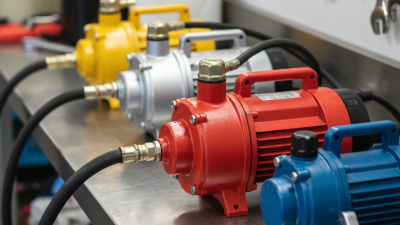
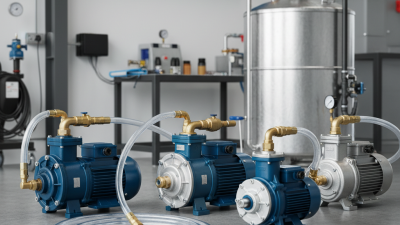
Comparing gasoline transfer pumps starts with the job, not the headline flow rate. Centrifugal pumps suit steady, higher-volume transfers, while rotary positive-displacement pumps can deliver more consistent flow at lower speeds. Actual output changes with hose length, lift, fluid temperature, and inlet conditions. A pump rated at 40 gallons per minute may deliver less through a long, narrow hose. Check the duty cycle, suction lift, pressure rating, and whether the manufacturer specifies gasoline compatibility.
Read the curves carefully. The U.S. Department of Energy’s Improving Pumping System Performance sourcebook notes that pumping systems can account for a substantial share of industrial electricity use, making operating efficiency worth comparing alongside purchase price. For a portable unit, compare flow at the intended pressure, motor or engine rating, and expected run time. Small details matter: a clogged strainer or undersized hose can slow a transfer. Paper specifications do not show every real-world limitation.
Safety deserves equal weight. Look for documented compatibility with flammable liquids, suitable bonding and grounding provisions, leak-resistant connections, and clear instructions for ventilation and ignition-source control. Verify the applicable certification for the pump and its electrical components in the destination market; a general “explosion-proof” claim is not enough. Ask for test conditions and service intervals. That may feel fussy, but it prevents a fast-looking specification from hiding a poor fit.
Indicative flow-rate ranges are shown in gallons per minute (GPM); actual performance varies by model, fuel, hose length, and operating conditions. Before selecting a pump for gasoline, verify its fuel compatibility and required hazardous-location approvals. Use appropriate bonding and grounding, and follow the manufacturer’s instructions.
Choosing among China’s top 10 gasoline transfer pump manufacturers requires more than comparing prices. According to the IEA Oil 2024 report, global oil demand may reach 105.4 million barrels per day by 2030. This continuing fuel demand increases pressure on pump reliability, serviceability, and delivery consistency. A capable manufacturer should provide verified flow data, motor protection, compatible seals, and clear material specifications. Ask for factory test records, not only catalog claims.
Safety comes first. NFPA 30 identifies gasoline as a Class I flammable liquid, so the pump’s electrical design, grounding provisions, hose connections, and enclosure protection require careful review. Depending on the destination market, request relevant conformity documents and independent test evidence. Certifications alone are not enough. Check whether the manufacturer understands your operating temperature, duty cycle, viscosity range, and storage conditions.
In practical evaluations, I would compare actual flow under back pressure, noise, heat buildup, and restart performance. A pump rated at 60 liters per minute may deliver less through a long hose or restrictive filter. That detail is often missed. Review spare-parts availability, warranty response times, inspection procedures, and batch traceability. ISO 9001 registration can support process control, but it does not prove pump performance. Request a sample unit or witnessed test before placing a large order. A low purchase price can become expensive when seals fail early. Some specifications will still need revision after field testing.