What are the 2026 top fuel transfer pump types, and why do their differences matter? The answer reaches beyond flow rate. A modern fuel transfer pump must match the fuel, duty cycle, installation environment, and safety requirements. It may serve a farm tank, fleet depot, workshop, generator, or mobile service vehicle. Each setting creates different demands.
Lorenzo Fattori, a fuel-equipment specialist associated with PIUSI, offers a useful principle: “The right pump must fit the duty, not merely move fuel.” That idea frames this overview. Electric DC pumps remain practical for mobile tanks and 12- or 24-volt systems. AC pumps suit fixed installations with steady access to mains power. Hand-operated pumps still matter when simplicity, portability, and emergency readiness outweigh speed. Pneumatic and diaphragm designs can serve specialized environments, while vane, gear, and turbine mechanisms influence pressure, noise, service life, and metering accuracy.
The strongest 2026 choices may include smarter controls, better filtration, automatic shutoff, and clearer digital monitoring. Yet technology alone does not guarantee a good purchase. A high-flow model can waste energy or strain a small tank system. A compact pump may overheat under continuous operation. A neat comparison chart can still mislead.
This guide examines the leading fuel transfer pump types through practical selection criteria. It considers diesel, gasoline, lubricants, and compatible low-viscosity fluids, without treating every liquid as interchangeable. Manufacturer specifications remain essential. So do certified components, grounding practices, ventilation, and local safety requirements. The ranking is useful, but not absolute. Real-world conditions should have the final word.
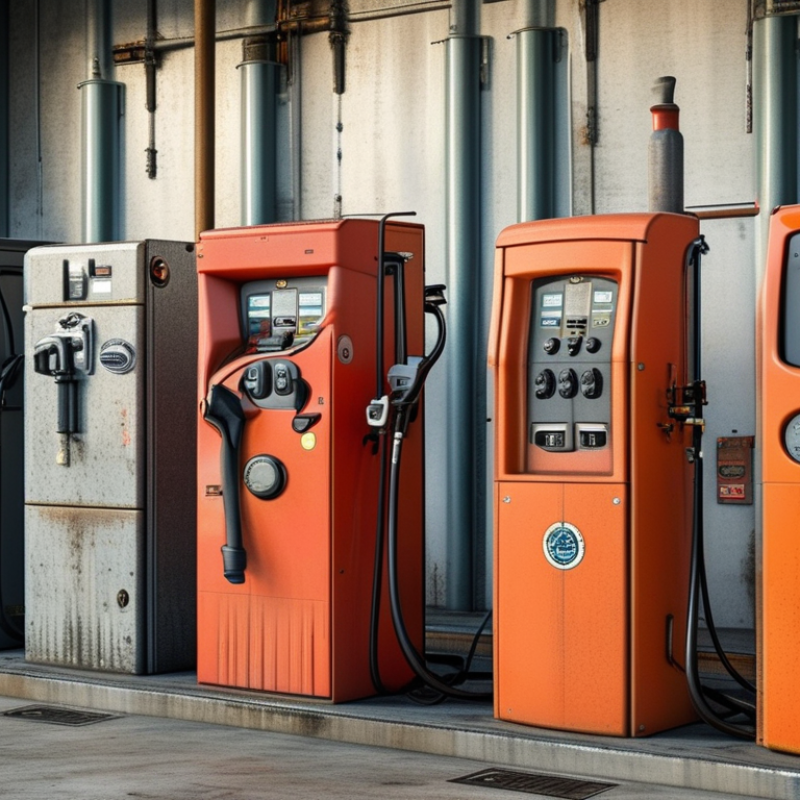
A fuel transfer pump moves liquid fuel from one container, tank, or vehicle to another at a controlled rate. Its job is practical: reduce handling time, limit spills, and maintain steady delivery during storage or refueling. In 2026, common pump types include rotary vane, gear, diaphragm, piston, and centrifugal models. Each creates flow differently. Rotary vane pumps use sliding vanes to trap and push fuel. Gear pumps move liquid between rotating teeth. Centrifugal pumps use an impeller and usually suit higher-flow applications.
Pump selection should begin with fuel viscosity, required flow, lift height, temperature, and duty cycle. A compact gear pump may handle clean diesel efficiently, while a diaphragm pump can tolerate intermittent operation and more demanding environments. Centrifugal designs often need proper priming. That detail is easily missed.
The U.S. Energy Information Administration reported average U.S. petroleum and other liquids consumption of about 20.5 million barrels per day in 2023, showing the scale behind reliable fuel movement.
However, national demand does not determine one pump’s correct size. The wrong assumption can cause overheating, cavitation, seal wear, or unstable discharge.
Professional practice also requires checking electrical classification, grounding, hose compatibility, filtration, and shutoff protection. NFPA 30 and relevant occupational-safety guidance emphasize controlling ignition sources and fuel release risks. Flow meters improve accountability, but they may add pressure loss. Field experience suggests a slower, well-filtered transfer often protects equipment better than maximum advertised flow. Manufacturer data still needs verification under real temperature and suction conditions.
Main Fuel Transfer Pump Types Expected in 2026
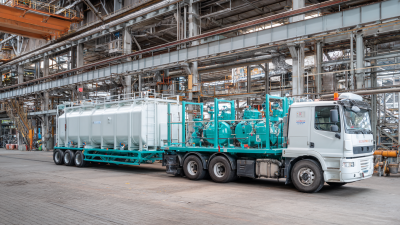
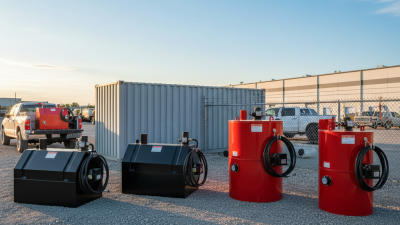
Fuel transfer pumps in 2026 will likely remain divided by power source, flow demand, and installation conditions. Electric pumps should lead mobile fueling systems because they offer steady output and simple control. Twelve-volt models suit service vehicles, while higher-voltage units support workshops and fixed tanks. Proper grounding, overload protection, and fuel-rated wiring remain essential.
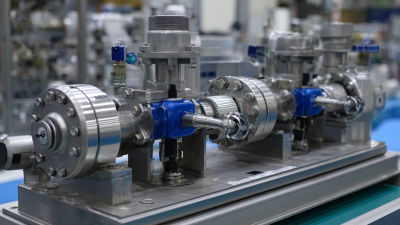
Rotary vane pumps are expected to serve farms, fleets, and maintenance facilities requiring reliable medium-flow transfer. Their compact design works well with diesel and similar fuels, but worn vanes can reduce pressure and increase noise. Gear pumps may handle thicker fluids effectively. However, they need careful filtration because small particles can damage close internal clearances.
Air-operated diaphragm pumps will remain useful where electrical power is limited or operating conditions are demanding. They tolerate intermittent duty and can transfer fuel at controlled rates, although compressed-air quality affects performance. Manual hand pumps will still have a place in emergency kits and low-volume tasks. They are slower, but their simplicity matters.
Fuel viscosity, temperature, hose length, and lift height should guide selection. A pump rated for high flow may perform poorly through a narrow, dirty filter. That mistake is common. Digital monitoring may improve maintenance decisions in 2026, yet sensors cannot replace inspection. Real installations are often less tidy than product data suggests. Regular checks still reveal leaks, blocked strainers, damaged seals, and unexpected pressure loss.
| Fuel Transfer Pump Type | Operating Principle | Typical Flow Range | Typical Pressure | Suitable Fuels | Key Advantages | Main Limitations | Expected 2026 Position |
|---|---|---|---|---|---|---|---|
| Electric Gear Pump | Meshing gears create a positive-displacement flow that moves fuel through the inlet and outlet ports. | 10–150 L/min | 2–10 bar | Diesel, heating oil, lubricating oil, and other low-to-medium viscosity fuels | Compact design, steady flow, good self-priming capability, and suitable for automated fuel systems | Can be sensitive to abrasive particles and may generate pulsation or heat when operated against a closed outlet | Strong choice for fixed dispensing equipment, fleet fuel stations, generators, and industrial transfer skids |
| Rotary Vane Pump | Sliding vanes extend from a rotor to create expanding and contracting pumping chambers. | 20–250 L/min | 2–8 bar | Diesel, kerosene, gasoline in approved designs, and light fuel oils | Reliable self-priming, consistent delivery, reversible operation, and good performance in mobile applications | Vanes wear over time, especially with contaminated fuel, and the pump requires suitable materials for volatile fuels | Expected to remain popular for mobile refueling units, agricultural equipment, and commercial fuel dispensing |
| Centrifugal Pump | A rotating impeller converts mechanical energy into fluid velocity and pressure. | 50–2,000 L/min | 1–6 bar | Diesel, fuel oils, water-fuel mixtures where permitted, and low-viscosity liquids | High flow capacity, smooth operation, simple construction, and comparatively low maintenance | Usually requires priming, has limited suction lift, and is less suitable for highly viscous fuels or precise metering | Likely to lead high-volume bulk transfer in terminals, storage facilities, marine systems, and large industrial sites |
| Diaphragm Pump | A flexible diaphragm moves back and forth, using check valves to control the suction and discharge cycles. | 5–200 L/min | 2–8 bar | Diesel, gasoline-compatible fluids, fuel additives, contaminated liquids, and some alternative fuels | Can run dry for short periods, handles suspended particles well, and provides electrical isolation when air-operated | Flow is pulsating, efficiency can be lower than rotary pumps, and diaphragm materials must match the fuel | Expected to expand where portability, contamination tolerance, and explosion-risk management are important |
| Piston or Plunger Pump | A reciprocating piston or plunger changes chamber volume to produce positive-displacement flow. | 1–100 L/min | 10–300 bar | Diesel, fuel injection fluids, specialty fuels, and high-pressure testing liquids | High pressure capability, accurate delivery, and strong performance in demanding industrial applications | Higher cost, more complex maintenance, pulsating output, and generally lower suitability for basic bulk transfer | Expected to remain important in high-pressure fuel systems, testing equipment, and specialized industrial applications |
| Peristaltic Pump | Rollers compress a flexible tube and move the fuel through the tube without direct contact with internal pump components. | 0.1–100 L/min | 1–5 bar | Fuel additives, specialty fluids, low-volume fuel sampling, and chemically sensitive liquids | Fluid contacts only the tube, low contamination risk, easy maintenance, and good metering at low flow rates | Tubing wears periodically, pressure and flow capacity are limited, and some fuels may affect tube materials | Likely to grow in dosing, laboratory, sampling, and low-contamination fuel-handling applications |
| Manual Rotary or Lever Pump | Human-powered rotary or lever movement creates a mechanical pumping action without an external power supply. | 10–80 L/min | 0.5–3 bar | Diesel, kerosene, heating oil, and other approved low-viscosity fuels | Simple installation, low purchase cost, no electricity requirement, and useful for emergency or remote transfer | Requires operator effort, provides limited flow, and is not ideal for frequent high-volume dispensing | Expected to remain a dependable backup solution for farms, workshops, remote tanks, and emergency fuel transfer |
| Submersible Electric Pump | The motor and pumping assembly operate inside the storage tank, pushing fuel through the discharge line. | 20–500 L/min | 2–12 bar | Diesel, gasoline, aviation fuels, and other fuels approved for the pump construction | Reduced suction losses, quiet operation, space efficiency, and reliable delivery from deep or underground tanks | Tank removal may be required for service, electrical protection is critical, and compatibility requirements are strict | Expected to gain adoption in connected fuel systems, underground storage, fleet depots, and automated dispensing installations |
What Are the 2026 Top Fuel Transfer Pump Types?
In 2026, electric turbine pumps remain strong for clean, steady transfer. Typical 12-volt units deliver 20–60 litres per minute. Their working pressure often stays near 0.2–0.5 MPa. They suit diesel, kerosene, and approved biodiesel blends when seals match the fuel. The U.S. Department of Energy Alternative Fuels Data Center identifies B20 as a widely used biodiesel blend. Still, B20 compatibility does not guarantee long seal life.
Rotary vane and gear pumps provide stronger pressure and consistent metering. Many field systems operate around 40–100 litres per minute and 0.3–0.7 MPa. Rotary vane designs handle frequent dispensing well. Gear pumps can be compact and efficient, but dirty fuel accelerates wear. Hydraulic Institute guidance stresses selecting pumps at their actual duty point, not their maximum label rating. That distinction matters.
Diaphragm pumps usually deliver lower flow, often 10–40 litres per minute. They tolerate intermittent operation and can work with gasoline, diesel, or ethanol blends, depending on diaphragm material. Check the fuel chart carefully. SAE J1537 testing principles emphasize electrical performance, endurance, and operating conditions. A pump rated for gasoline may fail with aggressive additives. I have seen flow drop sharply when a small filter becomes restricted. The mistake is easy to repeat. Pressure, viscosity, temperature, and compatibility must be checked together.
Selecting a fuel transfer pump starts with the application, not the catalog label. Common 2026 options include electric vane pumps, gear pumps, diaphragm pumps, pneumatic pumps, and manual rotary pumps. A 2024 MarketsandMarkets report identifies industrial fuel handling as a major demand segment, driven by storage, transport, and backup-power systems. That growth does not make every pump suitable.
Match flow rate to actual equipment demand. A small generator may need only a few liters per minute, while fleet refueling requires higher continuous flow. Electric vane pumps suit mobile tanks and frequent dispensing. Gear pumps handle steady transfer and some higher-viscosity fuels, but they can suffer when particles enter the housing. Diaphragm and pneumatic pumps tolerate intermittent use and difficult site conditions. Manual pumps remain useful where electricity is unavailable. Slow, but dependable.
Check fuel compatibility, temperature, suction lift, filtration, and duty cycle. The U.S. Energy Information Administration reported that petroleum and other liquids remained central to global energy consumption in its International Energy Outlook, keeping reliable transfer equipment important. For flammable liquids, follow applicable requirements such as NFPA 30 and local hazardous-area rules. Grounding matters. So does an emergency shutoff.
I would not select by flow rate alone. A pump rated at 60 liters per minute may underperform through a narrow hose or clogged filter. Review pressure loss, seal materials, maintenance access, and verified test data. The right choice is often less powerful, not more.
Fuel transfer in 2026 favors four practical types: electric, pneumatic diaphragm, manual rotary, and gear or vane pumps. Electric pumps suit fixed tanks and fleet operations. Pneumatic models remain useful where electrical ignition risks require separation. Manual pumps are slower, but they still work during power failures. Gear and vane pumps provide steady flow for diesel and lubricants.
Safety must guide selection. NFPA 30 recommends controlling ignition sources, managing spills, and using suitable containers for flammable liquids. Bonding and grounding deserve attention. So do hose condition, filter blockage, seal wear, and emergency shutoff testing.
A clean strainer can prevent a surprisingly expensive repair. During field maintenance, technicians should record flow rate, noise, vibration, and motor temperature. Small changes often appear before failure.
Perfect maintenance does not exist.
Future systems will add sensors, remote alerts, variable-speed drives, and automatic leak detection. The IEA Oil 2024 report projects global oil demand will rise by 3.2 million barrels daily from 2023 to 2030, reaching 105.4 million barrels per day. Transfer equipment will remain necessary, especially for heavy transport, construction, and agriculture.
Meanwhile, the IEA Global EV Outlook 2025 reports more than 17 million electric cars were sold in 2024. That shift may reduce some fuel demand, but it will not remove the need for safer, monitored transfer systems.
Some digital features still look impressive before proving their maintenance value.