What Is an Air Diaphragm Pump and How Does It Work?
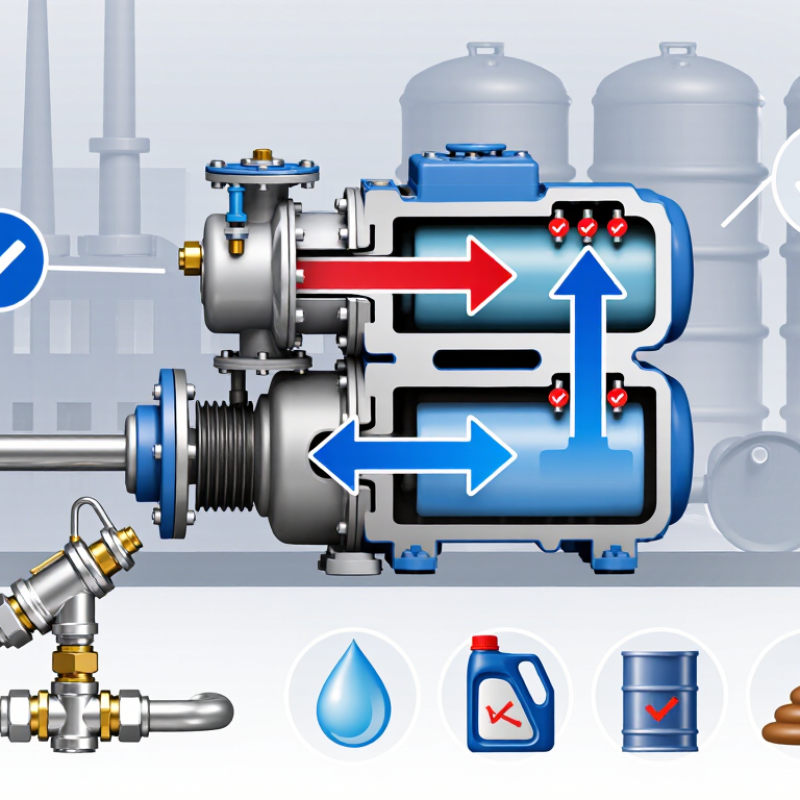
An air diaphragm pump uses compressed air to move liquids through a simple, positive-displacement process. Inside the housing, air shifts between two chambers. This motion flexes the diaphragms, while check valves control suction and discharge. The result is a pump that can handle water, solvents, sludge, and some abrasive mixtures without an electric motor inside the wetted area.
The principle is simple. The engineering is not.
The U.S. Department of Energy’s Improving Compressed Air System Performance: A Sourcebook reports that compressed air can consume about 10% of industrial electricity. It also notes that leaks may waste 20–30% of compressor output. These figures matter because an air diaphragm pump may appear inexpensive, yet poor air management can raise operating costs quickly. A hissing fitting near a chemical drum is not a minor detail.
Operators commonly choose this pump for portability, dry-running tolerance, and difficult fluids. Its diaphragm separates the pumped liquid from the air valve and drive mechanism. That separation can reduce contamination risks and simplify maintenance. However, performance still depends on diaphragm material, valve condition, air pressure, fluid viscosity, and pulsation control. ISO 8573-1 air-quality classifications also remind engineers that compressed air cleanliness should match the application.
This article explains what an air diaphragm pump is, how its cycle works, and where its practical limits appear. Real installations are rarely perfect. A pump may survive harsh service but still suffer from undersized piping, excessive cycling, or unfiltered air. Understanding those details supports safer selection, more reliable production, and more defensible maintenance decisions.
Definition and Core Purpose of an Air Diaphragm Pump
An air diaphragm pump is a positive-displacement pump powered by compressed air. Its core purpose is to transfer liquids without using an electric motor inside the pumping chamber. Two flexible diaphragms move back and forth within separate liquid chambers. An air valve alternates pressure behind them. This movement creates suction on one side and discharge pressure on the other. No electric motor drives the liquid.
The pump can handle water, oils, slurries, solvents, and some liquids containing solid particles. Its sealed design keeps the compressed air separate from the pumped fluid. This matters when leakage, contamination, or electrical exposure could create operational concerns. In practical maintenance work, operators often adjust air pressure to control flow. Higher pressure can increase output, but it may also raise air consumption and diaphragm wear. Small detail, big effect.
The simple definition is useful, but incomplete. An air diaphragm pump also provides controlled, intermittent fluid movement through check valves. Its flow naturally pulses, so sensitive systems may need a dampener. Incorrect hose sizing can reduce performance. Blocked strainers can cause cavitation-like symptoms, even without a rotating impeller. Reliable operation depends on clean air, suitable diaphragm materials, correct valve selection, and regular inspection. The pump is versatile, but it is not maintenance-free.
Main Components and Their Functions
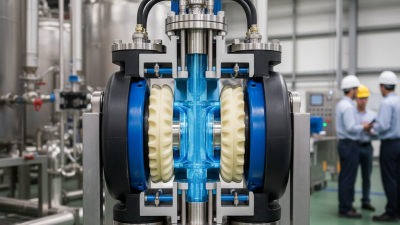
An air diaphragm pump uses compressed air to move liquids without an electric motor inside the pumping chamber. The main working parts include the air valve, two flexible diaphragms, check valves, manifolds, and pump body. The air valve directs compressed air from side to side. Each diaphragm then moves back and forth, creating suction and pressure. This alternating action lets the pump handle liquids gently and maintain a steady flow.
Check valves control the liquid’s direction through the inlet and outlet ports. Without properly sealing valves, liquid may flow backward and reduce performance. The inlet manifold collects fluid, while the outlet manifold guides it toward the discharge line. Diaphragms must match the liquid’s temperature and chemical properties. The body and air chamber provide structural support, but their materials still require careful selection. In practical maintenance, operators often inspect valve seats, diaphragm edges, and loose fasteners. A weak diaphragm may look acceptable but still cause unstable flow. That detail is easy to miss.
Tips: Keep the air supply clean and regulated. Drain moisture from the air line regularly. Check unusual noise, pulsing, or reduced flow early. Do not assume higher air pressure improves output; excessive pressure can increase wear and energy use. Record inspection findings, even when the pump appears normal. Small changes often reveal developing problems.
How an Air Diaphragm Pump Moves Fluid Step by Step
What Is an Air Diaphragm Pump and How Does It Work?
An air diaphragm pump moves fluid through alternating diaphragm strokes. Compressed air enters one side of the air chamber. The air valve shifts, pushing the first diaphragm toward the fluid chamber. That movement raises pressure and opens the discharge check valve. Fluid then leaves through the outlet. At the same time, the connected shaft pulls the opposite diaphragm backward. This creates suction and opens its inlet check valve. The pump reverses direction after each stroke. The cycle continues without an electric motor inside the pumping chamber.
The process looks simple. Field performance is less predictable. Fluid temperature, viscosity, trapped air, and worn check balls can change the flow pattern. Pulsation may shake a pipe or splash inside a clear section. The U.S. Department of Energy reports that pumping systems can represent about 25% of industrial electricity consumption, showing why system design matters, even when compressed air powers the pump. Compressed Air Challenge guidance also notes that leaks may waste 20% to 30% of compressor output. A small leak can reduce stroke speed and increase operating cost. That part is often underestimated.
Tips: Keep the suction line short and airtight. Match diaphragm materials with the fluid. Install a regulator near the pump. Check pressure drop during real operation, not only during testing. A pressure gauge may look normal while an undersized hose quietly limits flow. Mistakes happen. Rechecking the system after installation is worthwhile.
Operating Principles and Flow Control
An air diaphragm pump uses compressed air to move liquid without an electric motor inside the wetted chamber. An air valve alternates pressure between two flexible diaphragms. One diaphragm draws fluid through an inlet check valve. The other pushes fluid through an outlet valve. The cycle repeats.
Flow control depends on air pressure, air volume, stroke frequency, liquid viscosity, and discharge resistance. Increasing air pressure can raise discharge pressure, but it may not increase flow efficiently. Operators usually adjust the air regulator and control exhaust air carefully. A pulsation dampener can smooth the discharge line. However, excessive throttling may increase heat, noise, and diaphragm wear. The U.S. Department of Energy reports that compressed air can consume about 10% of industrial electricity. Its compressed-air sourcebook also identifies leaks as a potential loss of 20–30% of compressor output. These figures make air preparation and leak testing practical priorities, not minor maintenance tasks.
Tips: Install a filter-regulator near the pump. Check for pressure drop under real flow conditions. Keep the suction hose short and unobstructed. Match the diaphragm material with the liquid. My calculation may look correct on paper, yet cold fluid, long piping, or a clogged filter can reduce actual flow. Measure it. Do not rely only on the pressure gauge.
Common Applications, Benefits, and Limitations
An air diaphragm pump uses compressed air to move liquids through two flexible diaphragms. An air valve alternates pressure between both sides. Check valves then control the liquid’s direction. The pump can handle water, sludge, solvents, powders mixed with liquid, and other difficult fluids. Its flow changes by adjusting air pressure and volume. A technician can often hear uneven pulsing when a valve sticks or a diaphragm begins to wear.
These pumps serve wastewater treatment, chemical transfer, ceramic processing, printing, and food production. Suitable construction materials matter greatly. Stainless steel may suit hygienic service, while compatible polymers can resist aggressive chemicals. The pump can self-prime and run dry for limited periods. It also has no electric motor near the liquid chamber. That feature can simplify use in damp or classified work areas, when the complete installation meets applicable safety requirements. Maintenance is often straightforward.
The limitations deserve equal attention. Compressed air is expensive, and these pumps usually consume more energy than efficient electric alternatives. Flow is pulsating, so sensitive systems may need a dampener. Noise can be unpleasant without a muffler or enclosure. Moist air may freeze inside the valve during continuous operation. Diaphragms and check valves are wear parts. Not maintenance-free. A pump selected only by flow rate may fail early because fluid viscosity, solids, temperature, and suction lift were ignored. Material compatibility should be verified from technical data, not guessed.
What Is an Air Diaphragm Pump and How Does It Work?
An air-operated double-diaphragm pump uses compressed air to alternately move two flexible diaphragms. This reciprocating action transfers liquid without requiring an electric motor inside the pumping chamber.
The chart shows representative flow-rate ranges commonly associated with air diaphragm pump applications. Actual performance depends on pump size, diaphragm material, fluid viscosity, air pressure, suction conditions, and piping. These pumps are valued for handling abrasive, corrosive, viscous, and solids-containing fluids, but they can be less energy-efficient and noisier than many electrically driven alternatives.