2026 How to Choose the Right Air Diaphragm Pump for Your Needs?
Choosing the right air diaphragm pump is crucial for any fluid transfer application. According to expert John Smith, a leading engineer in fluid dynamics, "Selecting the right pump means understanding your specific needs." This highlights the importance of informed choices.
Air diaphragm pumps offer versatility and reliability. They are ideal for various industries, from chemical processing to food production. However, the market is full of options, making selection challenging. Factors like flow rate, material compatibility, and pressure requirements can make a significant difference in performance.
Many buyers overlook key specifications, leading to suboptimal choices. It's essential to assess the required features carefully. Each application has unique demands that an air diaphragm pump must meet. Balancing these factors will ensure efficiency and longevity in your operations. Engaging with professionals and conducting thorough research can guide you to the best decision.

Understanding Air Diaphragm Pumps: Types and Applications
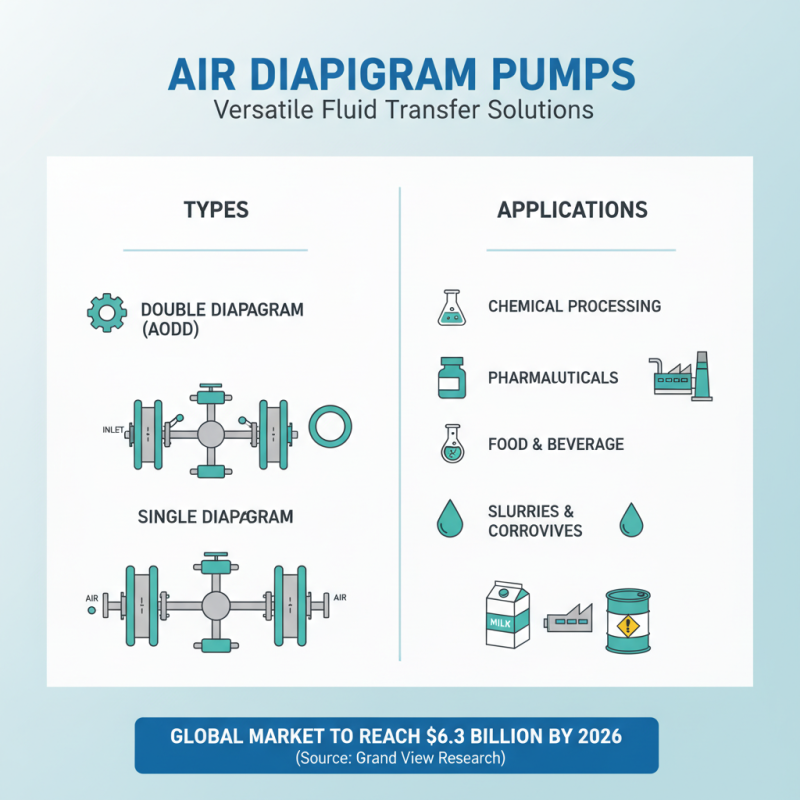
Air diaphragm pumps are increasingly popular in various industries due to their versatility and efficiency. These pumps can handle a wide range of fluids, including slurries and corrosive materials. According to a recent report from Grand View Research, the global diaphragm pump market is projected to reach $6.3 billion by 2026. This growth demonstrates their integral role in sectors like chemical processing, pharmaceuticals, and food production.
When choosing the right air diaphragm pump, understanding the different types available is crucial. There are positive displacement diaphragm pumps and differential diaphragm pumps, each suited for specific applications. Positive displacement pumps excel in transferring fluids with high viscosity, while differential pumps are ideal for low-viscosity applications. The choice impacts not only efficiency but also safety and maintenance requirements.
**Tip:** Always assess the fluid characteristics before making a selection. Factors like viscosity, temperature, and chemical compatibility can dictate whether a pump will perform optimally in your application.
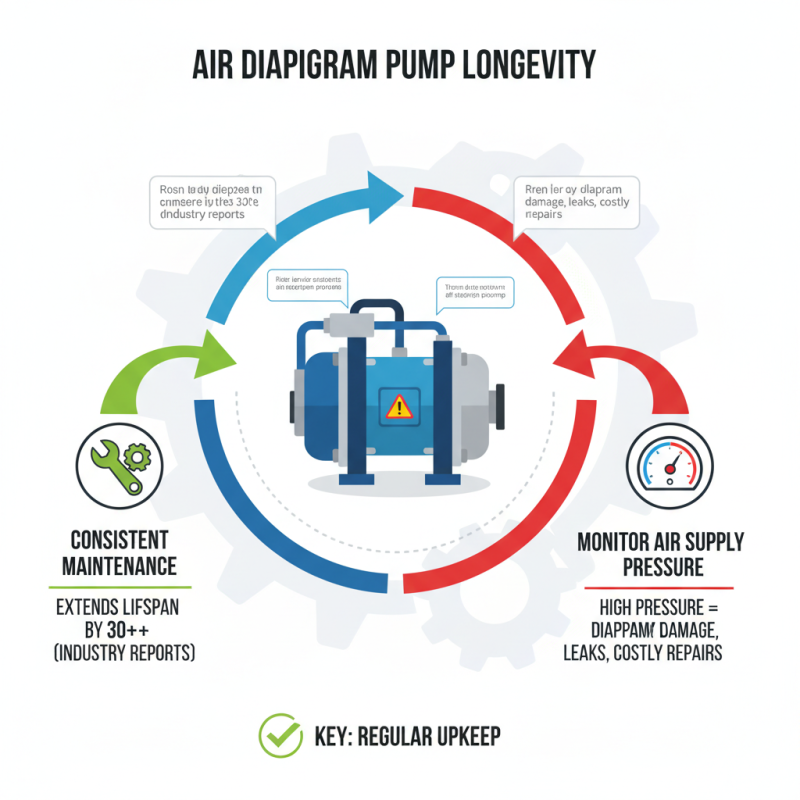
It's essential to reflect on the maintenance of these pumps. Neglect can lead to operational inefficiencies. Regular inspections can uncover wear and tear, preventing unexpected downtime. The right pump, combined with proper upkeep, can significantly enhance productivity and reliability.
Key Factors Influencing Selection of Air Diaphragm Pumps
When selecting an air diaphragm pump, several key factors play a crucial role. Understanding the
fluid type is essential. Different fluids have varying viscosities and chemical properties, affecting the pump's performance. For example, a pump designed for water may not handle corrosive liquids well. It's vital to evaluate
compatibility with the materials used in the pump to prevent wear and tear.
Another important consideration is the required flow rate. Knowing how much fluid needs to be transferred helps determine the pump size. Too small could lead to inefficiencies. On the other hand, a pump that is too large may waste energy and increase wear. The operating conditions, such as
pressure and temperature, should also be assessed. These can significantly impact
pump efficiency and longevity.
You may also want to consider maintenance needs. Some pumps require regular upkeep, while others are more self-sufficient. It's worth contemplating your team's expertise and available time for maintenance. This part can be tricky. An easy-to-maintain pump might have a higher
upfront cost but save money in the long run. Reflecting on these factors ensures you choose the right air diaphragm pump for your specific needs.
Comparative Analysis: Performance Data of Leading Air Diaphragm Brands
When selecting the right air diaphragm pump, it’s crucial to analyze performance data across leading brands. Many pumps excel in specific applications, but data varies significantly. Efficiency, flow rate, and pressure tolerance are key metrics to assess. Sometimes, a pump may have high flow rates but less durability in harsh conditions. Understanding these trade-offs can lead to better decision-making.
Tips: Look for performance specs that match your intended use. For instance, consider how the pump handles fluid viscosity. Select pumps that can maintain consistency, even when materials vary. This detail can significantly impact your operational efficiency.
Another vital consideration is maintenance frequency. Some pumps require regular part replacements, while others may be built for longevity. Read user reviews and trusted articles to find insights on long-term performance. While new models may seem impressive, they might lack real-world testing data. A thorough comparative analysis of reviews helps bridge that gap.
Comparative Analysis of Air Diaphragm Pump Performance
Industry Standards and Regulations for Air Diaphragm Pump Selection
When selecting air diaphragm pumps, industry standards and regulations play a crucial role. Understanding these standards ensures a safe and efficient operation.
Different industries have unique requirements based on their applications. For instance, chemical processing may require pumps with specific materials that resist corrosion.
The right material choice impacts durability and overall performance.
Compliance with industry regulations boosts reliability. Each sector often outlines guidelines that manufacturers must follow. Adhering to these guidelines minimizes risks and enhances safety in operations.
It's essential to consult regulatory documents relevant to your industry. This can include safety codes, environmental regulations, and performance criteria.
Choosing the right pump isn’t just about selection; it’s about understanding your needs. Take time to assess what your application truly requires.
Sometimes, the most efficient solution is not the most complex one. Consider factors like flow rate, pressure, and fluid properties carefully.
By doing so, users can avoid common pitfalls that may arise from hasty decisions.