Top 10 Air Diaphragm Pump Benefits for Global Buyers?
The air diaphragm pump has gained popularity among global buyers due to its unique advantages. These pumps use compressed air to create a powerful pumping action. They are versatile and efficient, making them suitable for various industries, including chemical processing and food and beverage. This flexibility in application is one reason why buyers are increasingly interested in air diaphragm pumps.
One significant benefit of air diaphragm pumps is their self-priming capability. This feature allows them to handle a wide range of liquid viscosities. They are also less prone to overheating, which enhances their reliability. Many users appreciate that these pumps can transfer abrasive liquids without damage. However, buyers must consider their specific needs before making a choice. Not all applications are the same, and some may demand specialized pump designs.
Another key advantage is the ease of maintenance. Users can quickly disassemble these pumps for cleaning or repairs. This low maintenance requirement appeals to industries focused on minimizing downtime. It's essential for buyers to evaluate the quality of the pump to ensure long-term reliability. Exploring all the benefits of air diaphragm pumps is crucial for informed decisions. A thorough understanding can lead to greater efficiency and cost savings over time.
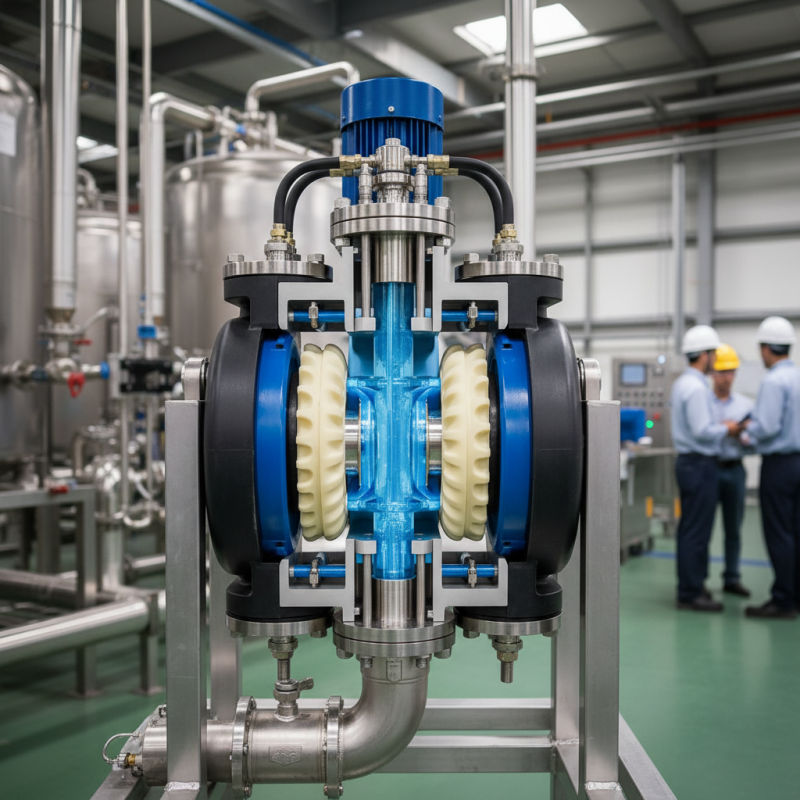
Key Features of Air Diaphragm Pumps Enhancing Industrial Efficiency
Air diaphragm pumps have become pivotal in enhancing industrial efficiency. Their design allows for smooth fluid transfer in various applications. These pumps are known for being self-priming, which means they can operate without needing a flooded suction. This feature is crucial in industries where space and accessibility are limited. Users benefit significantly from their ability to handle abrasive and corrosive liquids. This versatility makes them an ideal choice for sectors like chemical processing and food production.
One notable aspect of air diaphragm pumps is their minimal maintenance requirements. They usually come with fewer moving parts than traditional pumps, reducing the chances of breakdowns. This reliability can lead to significant cost savings over time. Additionally, they are known for their energy efficiency, consuming less power while performing effectively. Despite their advantages, some users may find the initial setup challenging. Understanding the pump's operational parameters is essential to maximize its benefits. Training and knowledge sharing among teams can mitigate this issue.
Cost-Effectiveness of Air Diaphragm Pumps for Global Operations
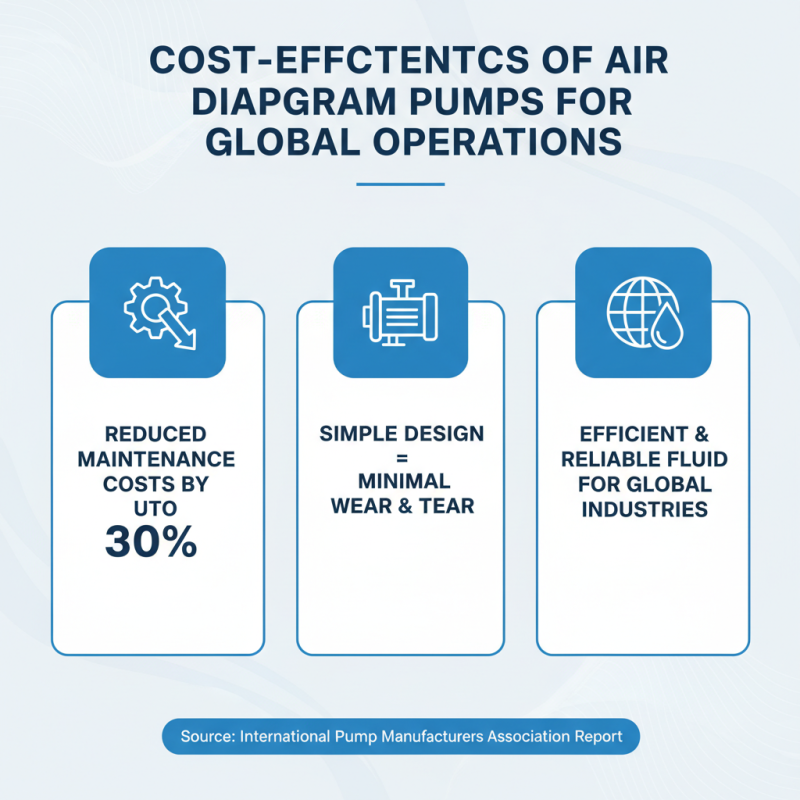
Air diaphragm pumps have gained popularity due to their cost-effectiveness in global operations. According to a recent report by the International Pump Manufacturers Association, these pumps can reduce maintenance costs by up to 30%. This reduction is primarily due to their simple design, which minimizes wear and tear. Industries relying on fluid transfer are finding these pumps beneficial for their efficiency and reliability.
Operational flexibility is another strong point. The air-operated mechanism allows for handling various fluid types, including viscous and abrasive materials. Reports indicate that these pumps can operate effectively in temperatures ranging from -20°C to 80°C. However, users must consider environmental conditions. While suitable for many applications, exposure to extreme temperatures can affect performance.
Energy consumption is a critical factor for global buyers. Air diaphragm pumps often use less energy compared to electric pumps, leading to significant savings. According to energy consumption studies, using air diaphragm pumps can lower operational costs by nearly 25%. Yet, there are challenges; sourcing compressed air can be expensive in some regions. The balance between benefits and operational costs varies by location, and buyers should carefully assess their specific needs.
Versatility of Applications Across Different Industries
Air diaphragm pumps offer unmatched versatility across various industries. They are capable of handling a wide range of fluids, including viscous, corrosive, and abrasive materials. This adaptability makes them ideal for applications in wastewater treatment, chemical processing, and food production. Their ability to manage diverse liquids ensures they meet specific industrial demands without compromising on performance.
In addition to their versatility, air diaphragm pumps are known for their reliability in different environments. They function efficiently in both hazardous and non-hazardous settings. However, users sometimes overlook maintenance needs, which can affect performance. A detailed inspection of the pump's components is essential for optimal functionality. Regular maintenance should not be an afterthought, as it enhances the longevity of these pumps.
Furthermore, their portability is a significant asset in industries requiring mobility. They can be easily transported between job sites, making them ideal for field operations. Yet, there may be instances when their design limits ease of integration into existing systems. Users should assess compatibility with current equipment to avoid potential disruptions.
Top 10 Air Diaphragm Pump Benefits for Global Buyers
Maintenance and Longevity Benefits of Air Diaphragm Pumps
Air diaphragm pumps are known for their durability and low maintenance requirements. They use compressed air to operate, which reduces wear and tear on internal components. This design typically leads to longer lifespans compared to other pump types, making them a reliable choice for various fluid transfer applications. Additionally, their simple structure allows for easier repairs.
Routine maintenance is straightforward. Regularly checking the pump for air leaks can prevent larger issues. Replacing diaphragm parts as needed is relatively easy and cost-effective. Users often overlook the importance of monitoring wear patterns, which can signal when parts need replacement. This proactive approach simplifies upkeep and enhances overall performance.
While air diaphragm pumps are robust, they are not immune to challenges. Environmental factors can influence their longevity. For example, exposure to extreme temperatures may affect their seals. Ensuring that pumps are operated within specified conditions is crucial for maximizing their lifespan. Understanding these nuances allows users to make informed decisions about their pump systems.
Environmental Considerations: Eco-Friendly Solutions in Pump Technology
Air diaphragm pumps are gaining attention for their eco-friendly solutions. These pumps minimize energy consumption, which directly impacts environmental sustainability. By utilizing compressed air, they often offer a longer operational lifespan compared to traditional electric pumps.
The materials used in air diaphragm pumps contribute to their eco-friendliness. Manufacturers are opting for recyclable and non-toxic materials. This reduces waste and promotes a circular economy. However, not all options are perfect. Some users may still face difficulties in finding truly sustainable components.
Efficiency is another significant factor. These pumps tend to operate with fewer emissions. However, the initial production processes can still cause environmental concerns. It is vital for buyers to evaluate the entire lifecycle of the pump before making decisions. Awareness and consideration of these factors can lead to better, more sustainable choices in pump technology.