Top Diesel Transfer Pumps for Global Buyers

Global buyers are reassessing fuel-handling equipment as energy markets become more complex. The International Energy Agency’s Oil 2024 report projects slower oil-demand growth through 2030, yet diesel remains important for logistics, construction, agriculture, and backup power. This creates a practical purchasing question: which diesel transfer pump can deliver reliable flow without excessive maintenance?

A suitable pump must match the fuel, operating environment, and required duty cycle. Buyers should compare flow rate, pressure, motor type, suction lift, filtration, meter accuracy, and hose durability. The U.S. Energy Information Administration continues to identify distillate fuel as a major transport and industrial energy source. That supports continued demand for dependable transfer systems, but demand alone does not confirm product quality. It is only a starting point.

Look closely at real operating details. A dusty quarry may need sealed controls and a robust inlet filter. A fleet depot may value metering accuracy and fast priming more than maximum flow. In potentially hazardous areas, applicable regional requirements, such as ATEX or IECEx certification, deserve careful verification. Manufacturers should provide test records, service guidance, and clear warranty terms. Independent standards matter.

Still, published specifications can be incomplete. Some pumps achieve impressive laboratory flow but struggle with long hoses, cold diesel, or contaminated fuel. Buyers should request performance curves and installation limits. Field experience often exposes weaknesses earlier than brochures do. The best choice balances efficiency, safety, serviceability, and verified performance—not simply the lowest quoted price.
Top Diesel Transfer Pumps for Global Buyers

Diesel Transfer Pumps: Definition, Purpose, and Main Applications

Top Diesel Transfer Pumps for Global Buyers

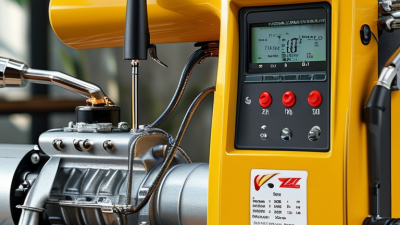
A diesel transfer pump is a mechanical device that moves diesel from one tank to another. It creates controlled flow through an inlet, pump body, hose, and dispensing nozzle. Unlike a fuel injection pump, it does not deliver fuel directly to an engine’s cylinders. Its main purpose is safe, efficient refueling and fuel handling.

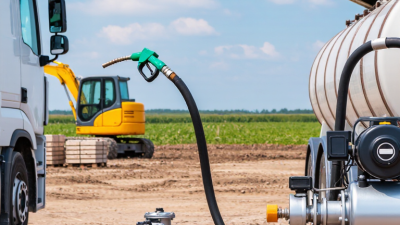
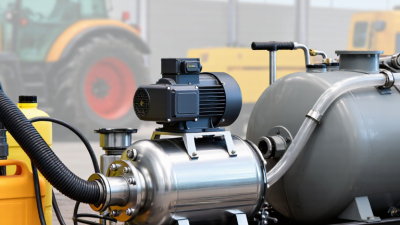
These pumps serve farms, construction sites, transport depots, generators, and maintenance workshops. A compact 12-volt model may suit mobile equipment near a storage tank. Larger electric or engine-driven pumps support frequent refueling and longer hose runs. Flow rate, head pressure, power supply, and fuel compatibility must match the actual system. A high flow rate is not always better.

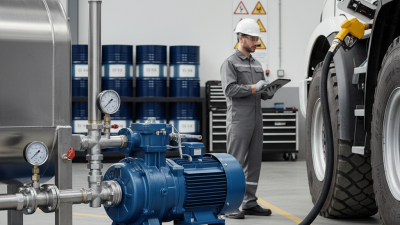
In practical installations, operators should check grounding, hose condition, filter access, and emergency shutoff performance. Dusty sites need stronger enclosures and easier cleaning. Cold climates may require seals and materials designed for low temperatures. Experienced buyers also verify local electrical and safety requirements before ordering. Product documents should state performance under real operating conditions, not only ideal laboratory figures. A pump chosen only by price can become an expensive interruption. Sometimes, specifications remain unclear. That deserves careful questioning before purchase. Regular inspection helps prevent leaks, blocked filters, and inaccurate fuel records.

Key Pump Types for Different Fuel Transfer Requirements

Global diesel demand keeps transfer equipment relevant. The IEA’s Oil 2024 report estimated global oil demand at about 103 million barrels daily in 2024. Yet pump selection depends on the task, not demand alone.

Centrifugal pumps suit clean diesel and high-flow loading. They work efficiently with short, open transfer routes.

Rotary vane pumps offer self-priming performance and steady metering for tanks, generators, and service vehicles.

Gear pumps handle thicker fluids and higher pressure, but tight clearances dislike dirt.

Diaphragm pumps remain useful for portable operations and uncertain site conditions.

Performance matters more than impressive brochure numbers. Check flow rate, head pressure, suction lift, viscosity, temperature, and duty cycle. The Hydraulic Institute identifies these factors as core pump-selection inputs. Published curves can mislead when diesel is cold. Real sites are messier. A pump rated for 60 litres per minute may deliver less through a narrow hose, clogged filter, or elevated tank. That difference deserves attention.

Tips: Measure the full hose route before buying. Keep suction lines short and wide. Use filtration that matches the fuel condition. Confirm seal compatibility and local electrical safety requirements. For frequent metering, compare accuracy at low flow, not only maximum output. I sometimes see buyers oversize pumps for speed, then face unnecessary noise, wear, and bypass losses. A smaller, correctly matched pump can be the more dependable choice.

Essential Performance Specifications for Global Buyers

Top Diesel Transfer Pumps for Global Buyers

Essential Performance Specifications for Global Buyers

Choosing a diesel transfer pump starts with measurable performance, not appearance. Flow rate shows how quickly a tank can be filled. However, a higher flow rate is not always better. Excessive speed may increase fuel foaming, hose stress, and power demand. Check the rated flow under real operating pressure, not only the maximum figure.

Pressure capacity should match the storage system, hose length, and dispensing nozzle. Self-priming depth also matters at remote sites. A pump that lifts fuel reliably reduces setup delays. It saves time. Confirm suction limits before ordering. Voltage and frequency must suit the installation country. Some buyers overlook this detail. That mistake can stop a new pump immediately.

For dependable service, examine duty cycle, motor protection, filtration, and construction materials. Continuous operations require a pump designed for extended running. Intermittent equipment may fail when used all day. Field technicians often recommend a replaceable inlet filter and a clear maintenance schedule. Temperature range deserves attention in desert and cold climates. The specification sheet can still mislead. Ask for tested flow curves, noise data, and inspection records. Verify electrical and safety compliance for the destination market. I would also question vague warranty language, because repair access may matter more than a promising headline rating.

Top Diesel Transfer Pumps for Global Buyers

Essential performance specifications for comparing common diesel transfer pump configurations.

The chart compares representative rated flow capacities commonly found in portable and workshop diesel transfer pumps. Compact 12 V and 24 V systems are suited to vehicle and mobile fueling, while AC-powered and engine-driven units generally provide higher throughput. Actual performance varies with fuel viscosity, hose length, filter condition, elevation, and operating temperature.

Safety, Compliance, and Installation Considerations

Top Diesel Transfer Pumps for Global Buyers

Safety begins with the installation, not the pump catalog. Diesel has a higher flash point than gasoline, but leaks, vapor, and static electricity still create serious hazards. The U.S. Bureau of Labor Statistics recorded 5,283 fatal work injuries in 2023. That figure covers all industries, yet it reinforces the need for disciplined fuel-transfer controls.

Select pumps with documented flow rates, pressure limits, and materials compatibility. Confirm whether the motor and electrical enclosure suit the classified area. Buyers in Europe may need ATEX conformity, while other markets may reference IECEx or local electrical codes. NFPA 30, 2024 Edition, emphasizes approved containers, bonding, grounding, and protection against ignition sources. Use conductive hoses, secure clamps, emergency shutoff access, and secondary containment around the tank.

Installation details matter more than many specifications suggest. Keep the suction line short, supported, and free from sharp bends. Add a suitable filter before sensitive equipment. Check relief-valve discharge paths carefully. Never assume a factory setting fits every tank layout. Field inspections often find loose earth connections or poorly positioned shutoffs. Those errors are ordinary, but dangerous. Maintenance records should capture leakage checks, filter changes, electrical tests, and hose condition. Local fire authorities may impose stricter rules than international guidance. Verify them before commissioning.

How to Compare Suppliers, Costs, and Long-Term Value

Top Diesel Transfer Pumps for Global Buyers

How to Compare Suppliers, Costs, and Long-Term Value

Choosing a diesel transfer pump involves more than comparing online prices. Start with verified flow rate, operating pressure, duty cycle, and fuel compatibility. A pump rated for 60 litres per minute may perform differently under hose resistance or cold-weather conditions. Request test records, material details, warranty terms, and spare-parts availability. Ask for evidence.

Supplier reliability matters just as much as pump capacity. Review manufacturing experience, quality-control procedures, response times, and export documentation. Confirm that electrical components and safety features meet requirements in the destination market. A polished certificate PDF is not enough without traceable model details. Direct technical answers are a useful sign.

Compare total cost, not only the purchase price. Include freight, import charges, filters, replacement seals, energy use, servicing, and expected downtime. Cheap is not cheap. A slightly higher-priced pump may reduce maintenance visits over five years. However, buyers should question optimistic service-life claims and demand realistic operating conditions. Even careful comparisons can miss installation costs, especially when tanks, fittings, or power supplies require modification. A written quotation should list every included component, delivery term, and exclusion before payment.

Top Diesel Transfer Pumps for Global Buyers - How to Compare Suppliers, Costs, and Long-Term Value
Supplier / Pump Category Typical Flow Rate Typical Operating Pressure Power Configuration Diesel Compatibility Self-Priming Capability Typical Duty Cycle Indicative Unit Cost (USD) Typical Lead Time Expected Service Life Key Long-Term Cost Factors Best-Fit Application Value Rating
12 V DC Electric Gear Pump 20–60 L/min
5–16 gal/min
2–4 bar
29–58 psi
12 V battery system; commonly 15–30 A current draw Suitable for diesel and light fuel oils when seals are specified for hydrocarbons Usually 2–5 m dry lift, depending on model and hose layout Intermittent; commonly 15–30 minutes per hour $120–$450 2–8 weeks for standard configurations 2,000–5,000 operating hours under intermittent use Low purchase price; battery, wiring, switch, hose, and replacement gear assembly affect total cost Vehicle refueling, small storage tanks, agricultural equipment, and remote locations Good
24 V DC Electric Gear Pump 30–80 L/min
8–21 gal/min
2–5 bar
29–73 psi
24 V battery system; commonly 15–35 A current draw Designed for diesel transfer; verify compatibility with biodiesel blends and additives Usually 2–6 m dry lift Intermittent to moderate-duty operation $180–$650 2–8 weeks for standard configurations 2,500–6,000 operating hours under recommended conditions Efficient for fleet equipment; installation quality, battery capacity, and motor protection influence maintenance cost Construction fleets, mining support equipment, buses, and commercial vehicles Very Good
230 V AC Rotary Vane Pump 40–100 L/min
11–26 gal/min
2–6 bar
29–87 psi
Single-phase AC motor; commonly 0.55–1.5 kW Diesel and kerosene service with fuel-compatible vane and seal materials Commonly 3–7 m, depending on suction conditions Intermittent to continuous, subject to motor cooling and manufacturer limits $350–$1,200 3–10 weeks 4,000–10,000 operating hours with clean fuel and regular inspection Higher initial cost; vanes, filters, bypass valves, electrical protection, and energy consumption matter over time Workshops, fixed tanks, depots, farms, and light commercial fueling points Very Good
400 V Three-Phase Rotary Vane Pump 80–250 L/min
21–66 gal/min
3–8 bar
44–116 psi
Three-phase AC motor; commonly 1.5–5.5 kW Suitable for diesel transfer when the pump, motor, and seals are correctly specified Commonly 4–8 m under favorable suction conditions Continuous or high-duty operation $900–$3,500 4–12 weeks 8,000–20,000 operating hours with proper filtration and maintenance Lower energy cost per litre at high utilization; installation, electrical infrastructure, and spare-part access are important Fuel depots, logistics hubs, industrial plants, and high-throughput fleet operations Excellent
Pneumatic Double-Diaphragm Pump 20–180 L/min
5–48 gal/min
2–7 bar
29–102 psi
Compressed-air driven; no electric motor at the pump Can handle diesel when diaphragm, valve, and body materials are fuel-compatible Commonly 3–8 m; actual performance depends strongly on air supply Intermittent or continuous operation $700–$3,000 4–12 weeks 3,000–12,000 operating hours; diaphragms and valves are wear items Compressed-air generation can be expensive; useful where electrical ignition risk or washdown conditions are concerns Hazardous-area-adjacent work, mobile maintenance, chemical and industrial sites Good to Very Good
Engine-Driven Centrifugal Pump 150–600 L/min
40–158 gal/min
2–6 bar
29–87 psi
Petrol or diesel engine; commonly 3–15 kW equivalent output Diesel transfer only with a pump and seal package rated for petroleum fuels Often 5–8 m with correct priming arrangement Continuous or heavy-duty mobile operation $1,200–$6,000 4–14 weeks 5,000–15,000 operating hours with engine servicing Highest fuel and maintenance cost; offers strong mobility and independence from grid power Emergency response, remote construction, agriculture, mining, and bulk transfer Good for Remote Use
Explosion-Protection-Ready Electric Pump Package 40–150 L/min
11–40 gal/min
3–8 bar
44–116 psi
AC motor with suitable enclosure, grounding, overload protection, and optional area certification Diesel and selected fuel oils; materials and certification must match the installation zone Commonly 3–7 m Continuous or high-duty operation $2,000–$9,000+ 8–20 weeks 8,000–20,000 operating hours when correctly installed and maintained Higher upfront cost; compliance documentation, inspection, installation, and certified replacement parts drive total ownership cost Fuel terminals, regulated industrial facilities, and classified hazardous areas Excellent for Compliance-Critical Sites
Comparison notes: Prices are indicative international market ranges for pump units or basic packages in USD and exclude taxes, freight, installation, storage tanks, meters, hoses, filtration, and certification fees. Flow, pressure, suction lift, duty cycle, and service life vary with fuel temperature, viscosity, hose diameter, filtration, installation quality, and operating frequency. Buyers should request a complete technical datasheet, material declaration, test report, warranty terms, spare-parts list, and delivered-cost quotation before purchase.