Top 10 Diaphragm Pump Manufacturers Worldwide
Choosing among the top diaphragm pump manufacturers worldwide is not simply a matter of comparing catalogues. The right choice depends on the fluid, flow rate, pressure, operating cycle, and installation environment. A pump handling abrasive slurry faces different demands from one transferring a sensitive chemical or food ingredient. Small details matter: hose material, valve design, air consumption, and access for maintenance can change performance over time.
Pump engineer Igor J. Karassik, co-author of the Pump Handbook, is widely recognized for his work on pump engineering. An editorial paraphrase of the practical selection principle reflected in that work is: “Start with the service conditions, not the brand name.” This is a paraphrase, not a verified verbatim quotation. It captures an important point. Even a well-known manufacturer may offer several models, and the best fit depends on the actual application.
This overview compares ten manufacturers through the factors buyers can verify: product range, materials, technical documentation, service support, and suitability for different duties. Look beyond headline specifications. Check whether published performance data matches your operating conditions, and ask how routine maintenance is handled. A neat product page is not proof of a good fit. Manufacturers also differ by region, and availability can change. The comparison offers a starting point, not a final verdict. Real operating results may challenge any ranking.
Diaphragm Pumps: Operating Principles and Main Types
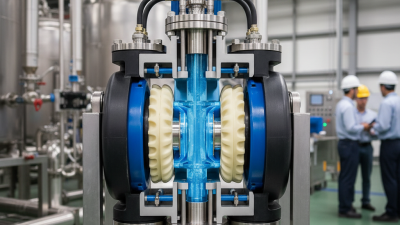
A diaphragm pump moves fluid by flexing a sealed membrane inside a chamber. During the suction stroke, the diaphragm pulls back and lowers pressure, drawing liquid through an inlet check valve. On the discharge stroke, it pushes forward, closing the inlet and opening the outlet valve. The valves guide flow in one direction. No rotating impeller touches the liquid, which can reduce contamination and wear in suitable applications.
Common designs include air-operated double-diaphragm, mechanically driven, and hydraulically actuated pumps. An air-operated model uses compressed air to move two linked diaphragms, creating alternating suction and discharge strokes. It can handle some slurries, but its air supply may be inefficient. Mechanically driven pumps use a linkage or cam; they suit controlled dosing and steady operating conditions. Hydraulic designs use pressurized fluid behind the diaphragm and can serve higher-pressure duties. Details matter.
Pump choice depends on fluid viscosity, solids, temperature, required flow, and material compatibility. A small elastomer diaphragm may suit mild chemicals, while a specialized membrane may be needed for more demanding fluids. Check valve design, too: sticky liquid can slow or block valve movement. In practice, advertised capacity is not the whole story. Real flow can vary with pressure, hose length, and air quality, so test the actual setup when possible. Even a well-matched pump can disappoint if maintenance access is poor.
How to Evaluate Diaphragm Pump Manufacturers
Evaluating a diaphragm pump manufacturer starts with the duty point, not the catalogue headline. Specify fluid viscosity, solids size, temperature, suction lift, required flow, and discharge pressure. Ask for performance curves at your actual conditions, plus test tolerances and the method used to verify them. A polished curve is not enough; request a witnessed test or recent test records for a comparable model.
Materials and maintenance deserve equal scrutiny. Check diaphragm and valve compatibility against the fluid’s chemistry and cleaning cycle. Ask how many cycles the diaphragm is rated for, and what operating conditions shorten its life. The U.S. Department of Energy’s Improving Pumping System Performance sourcebook reports that pumping can account for 25–50% of energy use in some industrial facilities. This covers pump systems broadly, not diaphragm pumps specifically, but it makes total operating cost worth checking. For air-operated models, also ask for measured air consumption at your duty point. Small differences can become expensive.
Look beyond purchase price. Review spare-parts availability, documented service response times, warranty exclusions, and whether maintenance instructions show real inspection steps. Ask for references from similar applications, then ask those users about unplanned stops and actual diaphragm life. A spreadsheet may miss the messy part: production losses during a changeout. Manufacturers that provide traceable test data and clear limitations are easier to evaluate reliably.
Profiles of the Top 10 Diaphragm Pump Manufacturers Worldwide
Worldwide diaphragm pump manufacturers often build around distinct operating needs. These profiles describe capability patterns, not a verified ranking. One group serves chemical plants, emphasizing corrosion-resistant wetted parts. Another focuses on wastewater, where solids handling and easy maintenance matter. Mining specialists design for abrasive slurries and rugged site conditions. Food-process suppliers prioritize cleanable surfaces and compatible elastomers. Pharmaceutical-focused makers offer precise documentation and controlled material options.
Other manufacturers target oil and gas, high-pressure transfer, or compact equipment integration. Some specialize in air-operated designs for variable flow and challenging liquids. Others differentiate through electric drives, lower energy use, or quieter operation. A tenth profile may stand out through regional service networks, spare-part availability, and application engineering. Details vary by model. Verify performance against the actual fluid, temperature, pressure, and duty cycle.
Tips: Ask for a pump curve, materials list, and test conditions. Check diaphragm life, seal options, and parts lead times. A polished brochure is not field evidence. Request references for similar fluids and operating hours.
Top 10 Diaphragm Pump Manufacturers Worldwide
A pressure-capability comparison across common diaphragm pump categories.
The values show representative maximum rated pressures found in published product specifications, rounded for comparison. Actual limits vary by model, configuration, and operating conditions; this is not a manufacturer ranking.
Comparing Their Technologies, Markets, and Product Portfolios
Comparing ten diaphragm pump manufacturers means looking beyond headline flow rates. Air-operated double-diaphragm designs suit many transfer tasks because they tolerate intermittent duty and can handle some solids. Electric models may offer steadier control and lower air demand, while high-pressure variants serve different process needs. Small details matter.
Product portfolios often reveal each manufacturer’s priorities. Some emphasize compact pumps for workshops and mobile equipment; others offer larger units for chemical processing, wastewater, or mining. Materials such as polypropylene, aluminum, and stainless steel affect chemical compatibility, weight, and maintenance. For food or pharmaceutical service, buyers should check cleanability, surface finishes, and documented material specifications rather than relying on broad “hygienic” claims.
Markets shape service and availability, too. A pump that performs well in a laboratory may behave differently with abrasive slurry, changing viscosity, or a long suction line. Compare published curves at the intended operating point, then confirm elastomer compatibility and spare-part access with technical documentation. Not always. Manufacturer rankings can simplify a crowded field, but they rarely capture installation conditions or the cost of downtime. A careful comparison should state its assumptions, and some will still need revisiting after a site trial.
Factors to Consider When Choosing a Manufacturer
Choosing a diaphragm pump manufacturer begins with the duty, not the catalogue.
Define required flow, discharge pressure, fluid temperature, viscosity, and expected operating hours. Ask how performance changes when the liquid contains abrasive particles or entrained air. A pump that meets a clean-water test may behave differently with a thick, gritty process fluid. Details matter.
Review wetted materials against the fluid’s chemistry and temperature, then check diaphragm life, valve design, and maintenance access. Request performance curves at your actual operating point, not only maximum-flow figures. Ask whether tests include leakage checks and documented results. Confirm spare-part lead times, technical support hours, and installation guidance. These factors can influence downtime as much as purchase price.
Even experienced buyers may overweight initial cost; that assumption deserves checking. Consider noise, air consumption, pulsation, and the space needed to replace the diaphragm. A manufacturer’s response to a specific operating scenario can reveal more than a polished brochure. If answers remain vague, clarify the limits before comparing quotes.
No selection is perfect: unusual fluids or fluctuating demand may expose gaps after installation. Build those uncertainties into the evaluation rather than treating them as footnotes.