Choosing a diaphragm pump is less about finding a universal winner and more about matching a design to the job. In 2026, buyers can compare air-operated double-diaphragm, mechanically driven, electrically driven, hydraulic, and metering models. Each moves fluid through a flexible diaphragm, but its drive system, controls, and operating limits differ. Air-operated units are common in portable or demanding transfer duties. Electric designs can offer steadier control where compressed air is unavailable. Mechanical and hydraulic models suit specific pressure and process requirements, while metering pumps focus on measured dosing. The categories can overlap, so labels alone do not tell the whole story. That matters.
This guide introduces the main pump types and the trade-offs that shape a practical choice. Consider the fluid’s viscosity and chemical compatibility, along with required flow, discharge pressure, duty cycle, and available power. A corrosive liquid may call for different wetted materials than clean water. A dosing line may need tighter flow control than a tank-transfer setup. Check manufacturer performance curves and material-compatibility data before specifying equipment; published maximums may not describe normal operating conditions. A small detail, like dry-running tolerance, can change maintenance needs. Not quite a simple choice. The best fit depends on the complete system, not one headline specification. The comparisons ahead aim to make those differences clearer, while recognizing that real installations can behave differently from a neat chart.
What Are the Top Diaphragm Pump Types in 2026?
Diaphragm Pumps: Design and Operating Principles
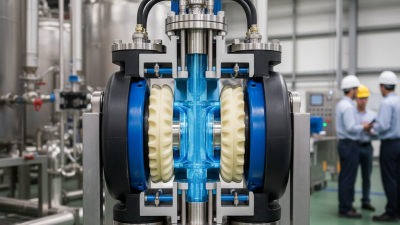
A diaphragm pump moves liquid as a flexible membrane repeatedly bends inside a chamber. On the suction stroke, chamber volume expands and an inlet check valve opens. On the discharge stroke, the membrane pushes liquid out through the outlet valve. The fluid stays separated from the drive mechanism. That distinction matters when handling abrasive, viscous, or chemically challenging liquids. Common designs include air-operated double-diaphragm, mechanically driven, and hydraulically actuated pumps. They share the same displacement principle, but differ in their power source and control.
In air-operated models, alternating air pressure moves two linked diaphragms, creating a pulsing flow. Mechanical designs use a crank or motor-driven linkage; hydraulic designs transfer force through pressurized oil. The U.S. Department of Energy’s Improving Pumping System Performance sourcebook reports that pumping systems can account for 25–50% of energy use in some industrial facilities. That figure covers pumping systems broadly, not diaphragm pumps alone. Still, it makes operating pressure, air consumption, and correct pump sizing worth checking. One caveat: a diaphragm design is not automatically energy-efficient. Oversizing can waste energy, and pulsation may affect sensitive processes.
Tips: Check valve material, diaphragm compatibility, and required flow at the actual operating pressure. Listen for uneven strokes; they can signal restricted suction or worn components. Small details matter.
A diaphragm pump moves fluid by flexing a sealed membrane inside a chamber. As the diaphragm pulls back, chamber volume increases and inlet pressure falls. An inlet check valve opens, drawing fluid in. When the diaphragm pushes forward, pressure rises, the inlet closes, and the outlet valve opens. The cycle repeats. The liquid stays separate from the drive mechanism, though diaphragm and valve materials still need to suit the fluid.
Common types include air-operated double-diaphragm pumps and mechanically or electrically driven diaphragm pumps. Air-operated models use compressed air to alternate the movement of two diaphragms, making them useful where variable flow or portable equipment is needed. Motor-driven types use a crank or similar mechanism for controlled, repeatable strokes. In practice, setup is rarely perfect: long suction lines, viscous fluids, or worn valves can reduce flow. Pulsation can also be noticeable.
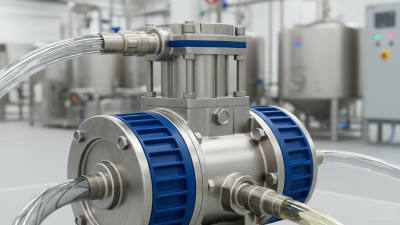
A US Department of Energy sourcebook, Improving Pumping System Performance, reports that pumping systems use nearly 20 percent of global electricity demand; in some industrial facilities, they account for 25 to 50 percent of energy use. Those figures cover pumping systems broadly, not diaphragm pumps alone. Still, they make operating conditions worth checking. Air pressure, stroke rate, and line restrictions all affect performance. A clear hose can reveal uneven flow, but it cannot explain every cause.
Major diaphragm pump types in 2026 are distinguished by how they move the diaphragm and deliver fluid. Air-operated double-diaphragm pumps use compressed air to alternate two diaphragms. They can handle slurries and fluids with suspended solids, making them common in transfer duties. They are often self-priming, but compressed-air use can be inefficient. Noise and pulsating flow may also matter in a small workshop.
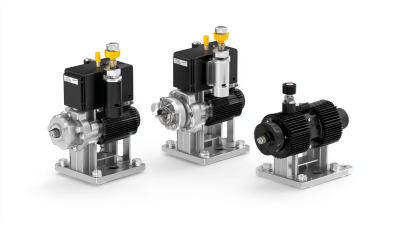
Mechanically actuated pumps use a motor and linkage to flex the diaphragm. Their compact design suits steady transfer and dosing at modest pressures. Hydraulically actuated models use an intermediate fluid to drive the diaphragm, supporting higher-pressure service and more controlled output. Electric diaphragm pumps can offer efficient, adjustable operation where compressed air is unavailable. Solenoid-driven versions are often selected for low-flow metering. Small, precise doses. Yet “electric” describes a drive, not a guarantee of accuracy; calibration and fluid properties still count.
Choosing a type starts with the liquid, required flow, pressure, and duty cycle. A thick, abrasive slurry can wear check valves faster than a clean, thin liquid. That detail is easy to overlook. Also consider diaphragm material, temperature limits, and how easily the pump can be inspected. Published performance figures may change with viscosity, suction lift, and installation layout, so verify them under actual operating conditions. The categories overlap, and a pump that looks ideal on paper may need a trial.
| Diaphragm Pump Type | How It Works | Typical Strengths | Common Applications | Key Selection Considerations |
|---|---|---|---|---|
| Air-Operated Double Diaphragm (AODD) | Compressed air alternately moves two diaphragms, creating suction and discharge strokes. Check valves direct liquid through the pump. | Can handle many viscous, abrasive, or solids-bearing fluids; self-priming capability and dry-running tolerance depend on the design and operating conditions. | Transfer of chemicals, coatings, wastewater, slurries, and other industrial liquids. | Requires a suitable compressed-air supply. Compare air consumption, materials, solids-handling capability, and the required flow and discharge pressure. |
| Mechanically Actuated Diaphragm | A motor-driven mechanical linkage moves a diaphragm directly to displace liquid. | Simple construction and a contained pumping chamber; commonly used where moderate-pressure pumping and straightforward maintenance are priorities. | Water treatment, equipment dosing, and transfer of compatible clean or mildly contaminated liquids. | Check the rated pressure and flow, diaphragm fatigue life, chemical compatibility, and whether the application requires precise metering. |
| Hydraulically Actuated Diaphragm | A drive mechanism pressurizes hydraulic fluid behind the diaphragm, which transfers force to the pumped liquid. | Designed for accurate metering and higher-pressure service; the diaphragm separates the process liquid from the drive mechanism. | Chemical injection, process dosing, and high-pressure metering duties. | Review pressure rating, metering accuracy, pulsation control, diaphragm monitoring features, and compatibility with the process fluid. |
| Motor-Driven Metering Diaphragm | An electric motor and mechanical drive move the diaphragm through a controlled stroke to deliver a measured volume. | Adjustable output and repeatable dosing when correctly selected and calibrated; does not require compressed air. | Water and wastewater treatment, chemical dosing, and industrial process control. | Assess the required turndown, control method, pressure, flow, pulsation, and the fluid’s viscosity and chemical properties. |
| Solenoid-Driven Metering Diaphragm | An electrically energized solenoid moves the diaphragm in repeated strokes; output is commonly adjusted by changing stroke frequency or stroke length. | Compact design and convenient integration with electronic controls for lower-flow dosing tasks. | Small-scale chemical dosing, water treatment systems, and laboratory or equipment processes. | Confirm the required flow and pressure, control signal, dosing accuracy, chemical compatibility, and suitability for continuous duty. |
Selection note: Actual flow, pressure, solids handling, accuracy, and material compatibility vary by pump design and operating conditions. Verify the manufacturer’s technical data for the specific duty.
Air-operated double-diaphragm pumps suit jobs needing portable equipment, variable flow, or solids handling. They can often run dry briefly, but compressed-air use may raise operating costs. Flow can pulse. That matters when transferring liquids into small containers or feeding a steady process.
Electric diaphragm pumps are a better fit when flow control and energy efficiency matter. Metering models can deliver measured doses for water treatment or chemical processing. Hydraulic diaphragm pumps handle demanding pressure requirements in some process systems. Compare the actual pressure, viscosity, fluid compatibility, and duty cycle—not just maximum flow. A high-rated pump can still perform poorly if its materials or controls do not match the liquid. I would not call one type best for every plant.
Tips: Check the fluid’s temperature and solids content, then confirm diaphragm material compatibility with the supplier’s specifications. Ask about pulsation and maintenance access, too. Small details matter.
Selecting a diaphragm pump starts with the duty, not the catalog description. Define the liquid’s viscosity, temperature, chemical compatibility, and solids content. A slurry with gritty particles may need larger internal passages than a clean, low-viscosity liquid. Check the particle size, not just the stated solids percentage. That detail is easy to miss.
Next, match required flow and discharge pressure to the pump’s operating curve. Air-operated models can handle variable flow and tolerate dry running, but they need a dependable compressed-air supply. Electrically driven models may suit steady service where energy use and precise control matter. Consider suction lift, pipe length, elevation, and fittings; these affect real-world performance. Small details count. If flow pulses could disturb a process, assess whether a dampener or different operating setup is needed.
Materials deserve a duty-specific review. Confirm that the diaphragm, valve balls, seats, and casing can withstand the liquid and cleaning routine. Then check maintenance access and expected cycle frequency. A pump that meets the headline flow rate may still struggle with cold, thick fluid during startup. There is no perfect choice. Share actual operating conditions with a qualified pump specialist, and compare expected performance with measured results after installation. One assumption may still prove wrong.