


How to Choose the Right Vacuum Pump?
Choosing a vacuum pump is not a contest for the lowest pressure on a brochure. It is a process decision. A pump that performs well in a clean laboratory may struggle with solvent vapor, frequent cycling, or fine powder. Picture a coating line starting each shift: the chamber must reach its target pressure reliably, while vapors and heat challenge the pump.
The market is expanding, but growth alone cannot guide a purchase. Grand View Research’s 2024 vacuum pump industry report estimates a global market value of about USD 6.7 billion in 2023 and projects continued growth through 2030. This is useful context, not proof that one technology suits every plant. For practical selection, John F. O’Hanlon, author of A User’s Guide to Vacuum Technology, offers a useful principle, paraphrased here: match the pump to the gas load, target pressure, and process conditions. Exact requirements matter.
That sounds obvious. It is often missed. Start by recording the required operating pressure, chamber volume, cycle time, and gases present. Then compare pumping speed across the working pressure range—not just the headline rating. Consider contamination, exhaust handling, maintenance access, noise, and energy use. A dry screw pump may suit some processes; a liquid-ring or rotary-vane design may suit others. No type wins every application. Even a well-sized vacuum pump can disappoint when pipework restricts flow or leaks go unnoticed. The right choice balances performance, operating cost, and service needs. This guide explains how to weigh those factors and where specifications deserve a second look.
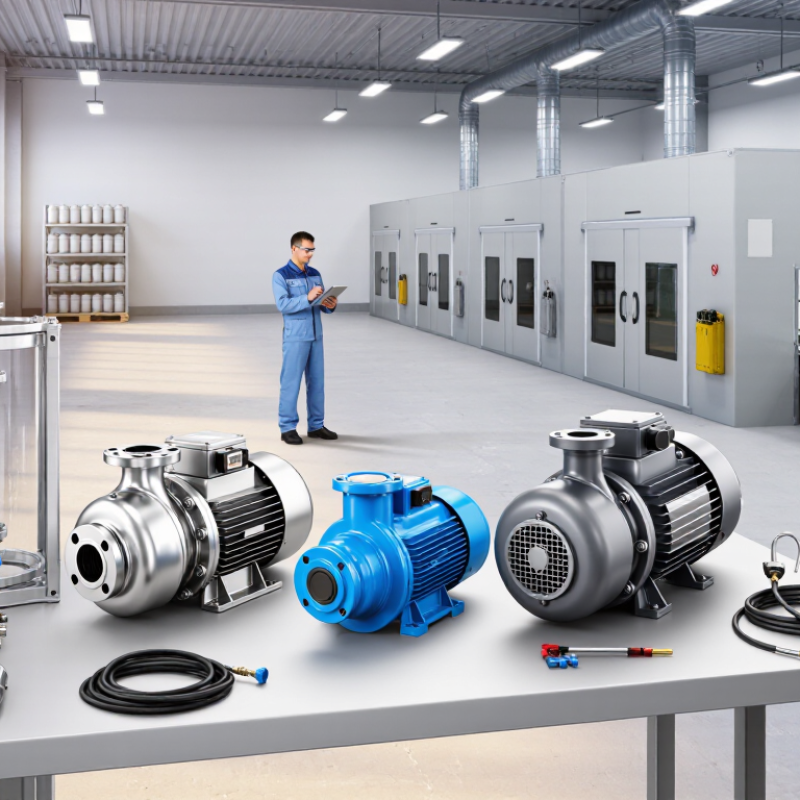
Define the Vacuum Pump’s Purpose and Performance Requirements
Before comparing pumps, define what the process must do. Record the chamber volume, gas composition, vapor load, operating temperature, target pressure, and time allowed to reach it. A chamber that must reach 10 mbar in five minutes needs a different setup from one that holds a steady pressure during a long process. Also note how often the system cycles. Small details matter.
Specify performance at the inlet, not just the pump’s lowest advertised pressure. ISO 21360-1:2020 sets standardized methods for measuring vacuum-pump performance, including pumping speed and throughput. Ask for these figures across your working pressure range; speed can vary as pressure changes. ISO 3529-1:2019 provides terminology for describing vacuum levels, helping teams avoid vague targets such as “deep vacuum.” Check compatibility with condensable vapors and process gases, too. A mismatch can reduce performance or shorten service life. A common selection trap is sizing only for chamber volume and ignoring leaks or outgassing. Leave some margin, but do not guess wildly. Process data is rarely perfect, and that uncertainty should be documented before choosing a pump.
How to Choose the Right Vacuum Pump? - Define the Vacuum Pump’s Purpose and Performance Requirements
| Process Purpose | Suitable Pump Type | Typical Ultimate Pressure | Key Performance Requirements | Important Selection Considerations |
|---|---|---|---|---|
| Filtration, degassing, and general laboratory vacuum | Diaphragm pump | Approximately 1–100 mbar absolute, depending on design | Match the pumping speed to the vessel volume, tubing, and desired evacuation time. | Oil-free operation is useful where oil backstreaming must be avoided. Check chemical compatibility and whether the required pressure is within the pump’s capability. |
| Rotary evaporation and general-purpose laboratory work | Two-stage rotary-vane pump | Approximately 0.001–0.01 mbar absolute for suitable models and conditions | Consider gas load, vapor handling, inlet pressure, and the time needed to reach operating pressure. | Requires regular oil maintenance. Use appropriate vapor-management equipment when pumping condensable vapors, and confirm that process materials are compatible with pump oil. |
| Clean vacuum processes with reduced oil contamination | Scroll pump | Approximately 0.01–0.1 mbar absolute, depending on model | Check pumping speed across the operating pressure range, not only the nominal rating. | Oil-free pumping can help reduce contamination risk. Evaluate tip-seal maintenance, vapor tolerance, and the effect of particulates on service life. |
| Industrial drying, solvent recovery, or continuous process duty | Dry screw pump | Approximately 0.01–1 mbar absolute, depending on design | Assess continuous gas throughput, process duty cycle, vapor load, and the required pressure under operating conditions. | Often selected for oil-free process handling. Check corrosion resistance, condensable-vapor management, temperature limits, and the required maintenance interval. |
| High-vacuum coating, analytical instruments, and research systems | Turbomolecular pump with a backing pump | Approximately 10−7–10−10 mbar absolute in suitable systems | Specify the gas load, required chamber pressure, pump-inlet conductance, and backing-pump capacity. | A turbomolecular pump cannot normally exhaust directly to atmospheric pressure; it requires a suitable backing pump. Vibration, magnetic fields, and process-gas compatibility may also matter. |
| High-vacuum systems requiring high gas throughput | Roots blower used with a backing pump | Not a standalone ultimate-pressure rating; the system limit depends on the backing pump and configuration | Choose the booster for the required throughput and pressure range, and size the backing pump to handle its exhaust. | A Roots booster increases pumping speed over part of the pressure range but generally cannot operate from atmospheric pressure without an appropriate arrangement or bypass. |
| Very high-vacuum applications with low contamination requirements | Cryopump | Approximately 10−7–10−10 mbar absolute in suitable systems | Consider gas species, chamber gas load, required operating time between regeneration cycles, and achievable system pressure. | Pumping performance varies by gas: some gases are captured more effectively than others. Plan for regeneration and any required roughing or backing equipment. |
Note: Pressure figures are indicative ranges, not guaranteed operating values. Actual performance depends on pump design, gas composition, temperature, leakage, system conductance, vapor load, and maintenance condition. Confirm the required pressure and pumping speed at the process connection using the manufacturer’s performance data.
Related Posts
-
Which Vacuum Pump Is Best for Your Needs in 2026?
-
What Are the Top Industrial Vacuum Pump Suppliers in China?
-
China Top 10 Industrial Vacuum Pump Manufacturers?
-

How to Choose the Right Vacuum Pump for Your Needs: A Complete Guide
-

Understanding the Different Types of Vacuum Pumps and Their Applications
-
How to Choose the Right Liquid Ring Vacuum Pump

