Why Choose a Diesel Transfer Tank with Pump?
Moving diesel from a storage point to equipment can become slow and messy when containers must be lifted or poured by hand. A diesel transfer tank with pump combines fuel storage and controlled dispensing in one practical setup. That matters. On a worksite, farm, or service yard, a suitable pump can reduce repeated handling and help deliver fuel where machines are parked. The right configuration depends on tank capacity, pump flow rate, hose length, power source, and the vehicles being serviced. A comfortable nozzle, secure cap, and well-stored hose can make routine refueling less awkward.
Yet capacity alone does not make a tank suitable. Check that the tank and pump are designed for diesel. Confirm rated flow, electrical requirements, mounting points, and hose compatibility in the product documentation. These details are easy to overlook. Installation matters too: a full tank can be heavy, and poor restraint can create hazards during transport. Follow the manufacturer’s instructions, inspect hoses and connections, and keep dispensing equipment clean and undamaged. Use the system in a suitable, well-ventilated area, away from ignition sources, and follow applicable local requirements. Small checks help. Still, no setup is perfect. Fuel quality, weather, and maintenance can affect performance, so routine checks remain part of ownership. A well-chosen diesel transfer tank with pump should match daily fuel demand and the operator’s actual workflow, rather than simply offering the largest capacity available.
What a Diesel Transfer Tank with Pump Is and How It Works
Why Choose a Diesel Transfer Tank with Pump?
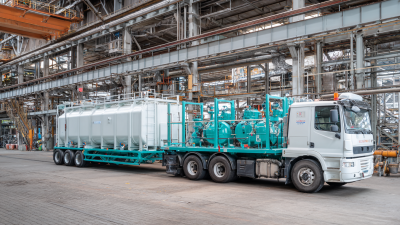
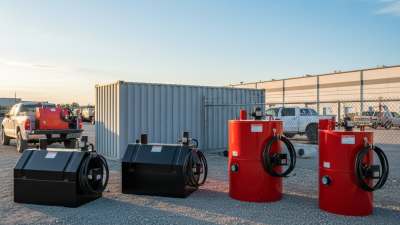
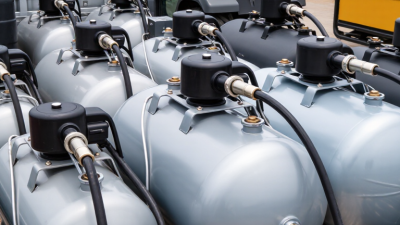
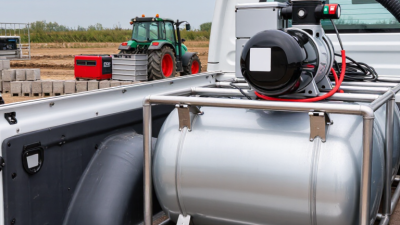
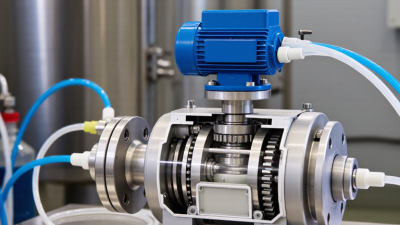
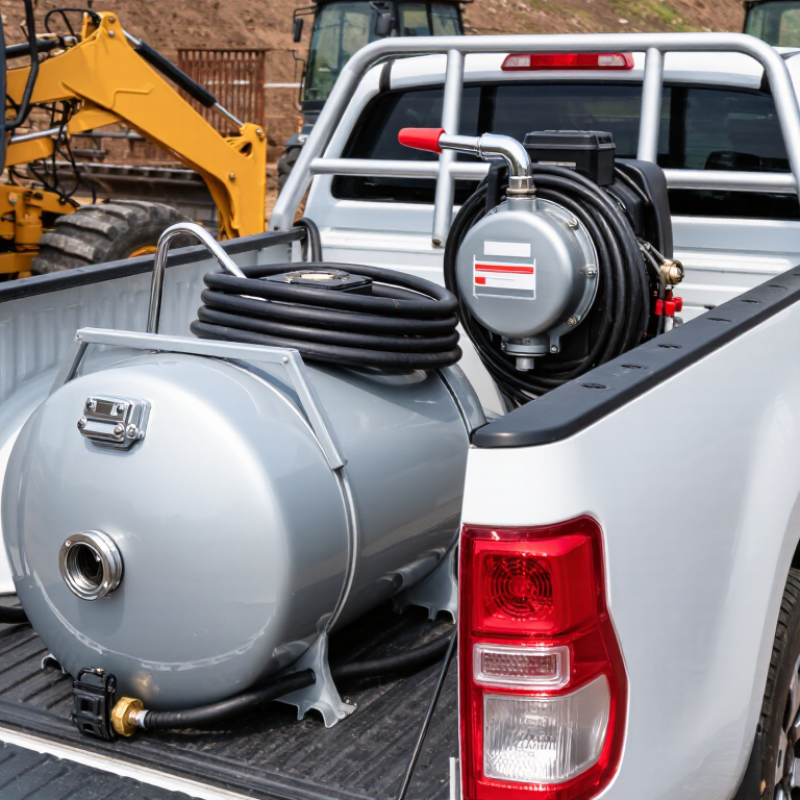
A diesel transfer tank with pump is a storage tank paired with equipment for moving fuel into machinery or vehicles. It is different from a vehicle’s built-in fuel tank. The assembly commonly includes a pump, pickup tube, hose, dispensing nozzle, and vent. Tank capacity and construction vary, so check the specifications before choosing one.
Here is how it works: the pump draws diesel from the tank through the pickup tube and pushes it through the hose. The nozzle controls delivery, while a vent allows air to enter as fuel leaves. Some pumps use electrical power; others are operated manually. A pump’s rated flow is not always the flow you will get. Hose length, connections, and the power source can affect performance. The details matter.
Tips: Secure the tank before use, inspect hoses and fittings for leaks, and follow the equipment instructions. Keep the nozzle under control and avoid filling beyond the receiving tank’s recommended level. A quick inspection can feel easy to skip, but it may catch a loose connection before fuel spills.
Key Components That Enable Safe, Efficient Fuel Transfer
Why Choose a Diesel Transfer Tank with Pump?
Key Components That Enable Safe, Efficient Fuel Transfer
A diesel transfer tank with an integrated pump can make refueling more controlled, but the components matter more than the label. The tank should be made for fuel storage, securely mounted, and sized for the vehicle or equipment it serves. A tight cap and sound seals help keep out water and dirt. Small parts matter.
The pump’s rated flow should suit the job; higher flow is not always better. Long hoses and cold conditions can affect delivery, so allow for real operating conditions. Use a fuel-compatible hose with intact fittings, and choose a nozzle that can be held securely and shut off cleanly. A filter helps catch particles before they reach the equipment. Check it regularly, because a clogged filter can slow transfer.
A vent lets the tank equalize pressure as fuel moves, while the pump’s shutoff and electrical connections should follow the equipment maker’s instructions. Inspect hoses for cracks, leaks, or soft spots before use, and keep the nozzle attended during transfer. It is easy to focus on pump speed and miss a worn seal. That is not a perfect checklist, but it catches problems that a quick glance may miss.
Practical Benefits for Transporting and Dispensing Diesel
A diesel transfer tank with a pump keeps fuel close to the equipment that needs it. On a worksite, that can mean fewer trips to a fixed fuel point and less time moving machinery. The U.S. Department of Energy’s Alternative Fuels Data Center lists diesel at 128,488 Btu per gallon. That energy figure helps explain why operators often plan fuel carefully, but it does not guarantee a particular range or saving. Actual use depends on the engine, load, and operating conditions.
A built-in pump, hose, and nozzle make dispensing more controlled than lifting and pouring from small containers. A clear meter can help track quantities; secure caps and fittings help limit leaks during transport. Less waiting. Still, a pump is not magic: a kinked hose, clogged filter, or weak battery can interrupt fueling. Choose tank capacity and pump flow for the equipment, and check mounting points, seals, and hoses regularly. Follow the tank and pump instructions, and keep fuel away from ignition sources.
Tips: Before departure, inspect the hose for cracks and confirm the nozzle closes properly. Park on stable ground, shut off equipment, and watch the fill level instead of walking away. Keep a spill kit nearby. A quick checklist feels fussy, but skipped checks are easy to regret.
How to Choose a Tank and Pump for Your Needs
Why Choose a Diesel Transfer Tank with Pump?
How to Choose a Tank and Pump for Your Needs
Start with the amount of fuel you actually use between refills. A tank that is too small means frequent stops; an oversized one adds weight and takes up valuable space. Measure the available mounting area, including room to open the fill cap and reach the pump. Fit matters. Check the tank’s material, seams, and mounting points for the conditions it will face, such as vibration, weather, and regular transport.
Match pump flow to the equipment you refuel. A high-flow pump may sound appealing, but it can be awkward when filling a small machine. Check the pump’s power requirements and make sure your vehicle or setup can supply them. Hose length, nozzle control, and a reachable switch also matter. Picture refueling in poor light: a short hose or hard-to-reach control quickly becomes frustrating. That detail matters.
Look for compatible connections and a filter suited to the pump and fuel system. Review the tank and pump instructions together; fittings that seem interchangeable may not seal correctly. Consider where drips could land, and keep suitable spill-control supplies nearby. It is easy to focus too much on capacity and overlook everyday handling. I would compare real operating needs before choosing extra features. Also verify applicable local requirements for installation and transport, since they can vary by location.
Safe Installation, Operation, and Routine Maintenance
A diesel transfer tank with a pump needs a stable, carefully planned installation. Park the vehicle on level ground, then check that the mounting surface can support the filled tank. Use suitable fasteners and follow the tank and pump instructions; a loose tank can shift during travel. Keep hoses clear of sharp edges, hot exhaust parts, and pinch points. Wiring should be protected from abrasion and connected as directed by the pump manufacturer. Small details matter.
Before each use, inspect the tank, cap, hose, and fittings for cracks, damp spots, or a diesel smell. Stop if anything leaks. Keep sparks, cigarettes, and other ignition sources away, and never leave a running pump unattended. Use the nozzle carefully, watch the fill opening, and stop before fuel reaches the brim. A spill kit nearby is useful. So is a clear work area.
Routine maintenance is simple, but easy to postpone. Check hose clamps and electrical connections periodically, and replace worn parts with compatible components. Keep the pump inlet clean and the tank cap closed when not in use. If the pump sounds strained or flow changes, stop and inspect it rather than forcing continued operation. I would not assume a dry-looking fitting is sound; a quick wipe and second check can reveal a slow seep. Follow the equipment manual for service intervals and winter storage guidance.