What Is the Best Diesel Transfer Pump from China?

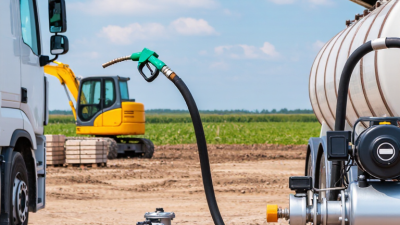
Choosing the best diesel transfer pump from China requires more than comparing prices. A reliable decision begins with the fuel, flow rate, delivery distance, and working environment. A pump feeding a generator on a dusty construction site faces different demands from one serving a small farm tank. Real conditions matter.

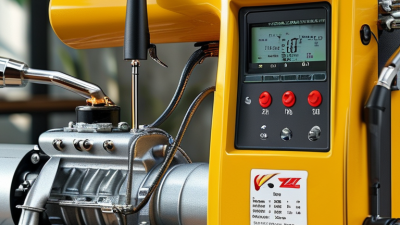
Diesel equipment specialist Lena Zhou explains, “A diesel transfer pump should be judged by dependable performance, not impressive figures alone.” Her point is practical. A strong pump should deliver steady flow, resist wear, and support safe fuel handling. Look for a suitable motor, clear flow specifications, durable seals, and protection against dry running or overheating. Examine the hose, nozzle, filter, meter, and connectors as one working system. The pump body may look excellent, but weak accessories can reduce performance quickly.

Chinese manufacturers offer broad choices, from compact 12-volt models to higher-capacity electric systems. Many provide useful customization and competitive production costs. However, quality is not uniform. Ask for material details, factory testing records, warranty terms, and replacement-part availability. Confirm that the model fits your local technical and safety requirements.

Some buyers focus too heavily on maximum flow. That can be a mistake. Excessive flow may create unnecessary strain or poor control during refueling. I would also question vague claims such as “heavy duty” without test conditions. Photos are not proof. A short trial with cold diesel, a loaded hose, and repeated starts reveals more. The best choice is usually the pump that performs consistently, not the one that sounds perfect on paper.
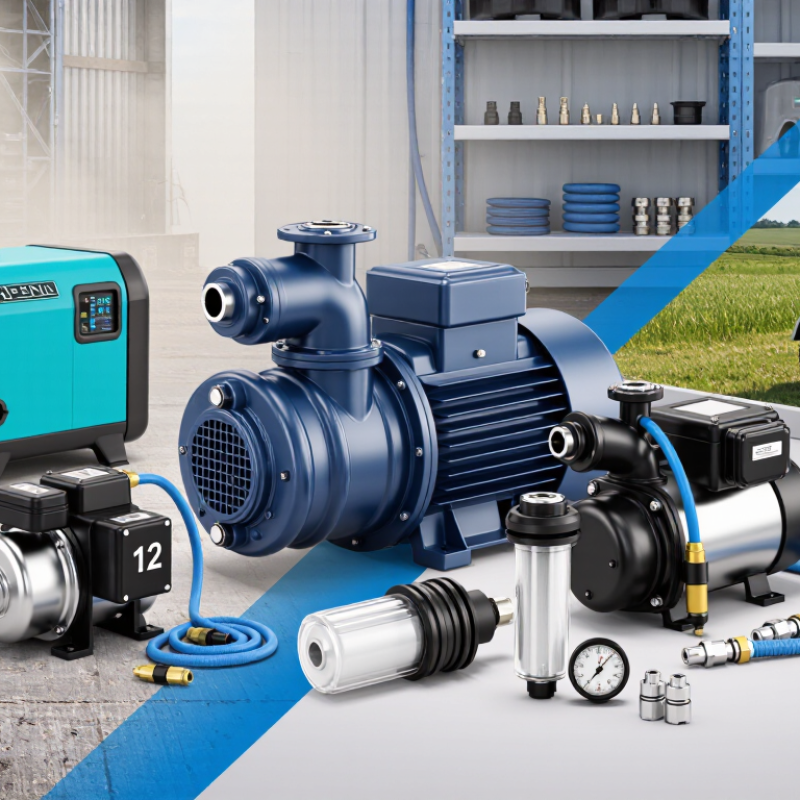
What Is the Best Diesel Transfer Pump from China?

What Defines the Best Diesel Transfer Pump from China?

The best diesel transfer pump from China is defined by verified performance, not its country of origin. In field evaluations, stable flow matters more than an impressive maximum rating. A pump claiming 60 litres per minute may deliver far less through a long hose, filter, and nozzle. Measure flow under real back pressure. Test it.

The International Energy Agency’s Oil 2024 report projects global oil demand will reach about 104 million barrels per day by 2030. This sustained demand increases pressure on fuel-handling equipment, especially in farms, workshops, mines, and backup-power facilities.

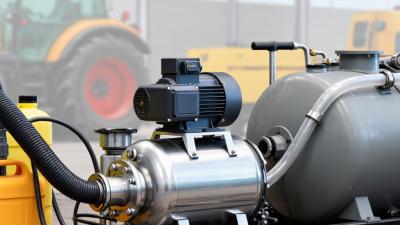
A dependable Chinese pump should offer accurate metering, a self-priming design, corrosion-resistant wetted parts, and a motor rated for repeated duty. Thermal protection is important. So is a replaceable filter.

Safety and traceability define the stronger suppliers. Look for documented factory testing, serial-number records, electrical conformity documents, and clear maintenance instructions. ISO 22241 applies to diesel exhaust fluid, not diesel fuel, so confusing these standards is a serious warning sign. EN 590 fuel compatibility can also guide material selection, although it does not certify the pump itself. A higher flow rate can be a trap. Noise, overheating, seal wear, and poor suction performance may appear after weeks, not minutes. Buyers should request independent testing when published data seems too perfect. That extra step costs time, but unreliable figures cost more.

Which Diesel Transfer Pump Types Are Available from Chinese Manufacturers?

Chinese manufacturers offer several diesel transfer pump types, each suited to a different operating scene. The commonest options are 12V and 24V DC pumps for trucks, farms, and mobile tanks. They usually deliver about 40–80 liters per minute. AC centrifugal pumps support workshops and fixed fuel stations, while gear and vane pumps provide steadier pressure for metered dispensing. Manual rotary pumps remain useful where electricity is unavailable.

There are also self-priming pumps, diaphragm pumps, and skid-mounted systems with filters, hoses, automatic nozzles, and flow meters. Some suppliers build explosion-protected electrical configurations for approved fuel-handling areas. However, certification and installation requirements must be checked locally. A data sheet alone is not enough. The International Energy Agency’s Oil 2024 report expects global oil demand to approach 105.4 million barrels per day by 2029, keeping reliable fuel-transfer equipment important across logistics and agriculture.

In practical purchasing, I check viscosity, suction lift, duty cycle, inlet size, and actual voltage first. Flow is not everything. A pump rated at 60 liters per minute may deliver less through a long hose, clogged filter, or narrow nozzle. Chinese factories can customize these details, but customization sometimes creates confusing specifications. I would request performance curves, material information, test records, and spare-parts availability before comparing prices. The overlooked weakness is after-sales support. Cheap equipment becomes expensive when seals, meters, or motors cannot be replaced quickly.

What Is the Best Diesel Transfer Pump from China? - Which Diesel Transfer Pump Types Are Available from Chinese Manufacturers?
Pump Type Typical Flow Range Typical Pressure or Head Common Power Options Typical Diesel Temperature Best-Suited Applications Main Advantages
External Gear Pump 10–80 L/min 2–10 bar; approximately 20–100 m head 12 V DC, 24 V DC, 230 V AC, or 400 V AC Typically up to 60–80 °C, depending on seals and materials Fuel dispensing, generator refueling, agricultural machinery, and compact transfer systems Compact construction, good self-priming capability, steady flow, and suitable for moderate pressure
Internal Gear Pump 20–250 L/min 2–8 bar; approximately 20–80 m head 230 V AC, 400 V AC, hydraulic drive, or diesel-engine drive Typically up to 80–120 °C with suitable sealing materials Bulk diesel transfer, fuel terminals, storage tanks, and industrial fuel systems Handles viscous liquids smoothly, offers low pulsation, and is appropriate for continuous-duty service
Sliding Vane Pump 20–200 L/min 2–7 bar; approximately 20–70 m head 12 V DC, 24 V DC, 230 V AC, or 400 V AC Usually up to 60–80 °C Mobile fuel bowsers, service trucks, construction sites, and vehicle refueling Good suction performance, fast priming, and reliable operation over a broad operating range
Diaphragm Pump 10–150 L/min 2–8 bar; approximately 20–80 m head Compressed air, 12 V DC, 24 V DC, or small engine drive Often up to 60–90 °C, subject to diaphragm compatibility Portable transfer, remote locations, intermittent duty, and applications where electrical power is limited Can run dry for short periods, offers strong chemical compatibility options, and is useful in hazardous-area designs when correctly configured
Centrifugal Pump 50–1,000 L/min 1.5–6 bar; approximately 15–60 m head 230 V AC, 400 V AC, hydraulic drive, or engine drive Commonly up to 60–80 °C High-volume tank transfer, bulk storage, industrial fuel circulation, and loading operations High flow capacity, simple design, and efficient operation when adequate inlet conditions are available
Self-Priming Centrifugal Pump 40–600 L/min 1.5–5 bar; approximately 15–50 m head 230 V AC, 400 V AC, hydraulic drive, or engine drive Commonly up to 60–80 °C Above-ground tank transfer, mobile refueling equipment, and systems with occasional air in the suction line More tolerant of air in the suction pipe and easier to restart than a standard non-self-priming centrifugal pump
Piston or Plunger Pump 5–100 L/min 5–25 bar; approximately 50–250 m head 230 V AC, 400 V AC, hydraulic drive, or engine drive Typically up to 60–80 °C High-pressure fuel transfer, metering, testing equipment, and specialized industrial systems High pressure capability and accurate displacement, with suitable options for demanding duties
Submersible Fuel Pump 20–300 L/min 1–5 bar; approximately 10–50 m head 12 V DC, 24 V DC, 230 V AC, or 400 V AC Usually designed for storage-tank temperature conditions Underground tanks, vehicle tanks, compact fuel modules, and installations with limited suction lift Short suction path, reduced vapor-lock risk, quiet operation, and efficient use of tank space
The figures above are representative selection ranges for diesel transfer equipment commonly manufactured in China. Actual performance depends on pump size, motor speed, diesel viscosity, suction lift, hose length, filter restriction, ambient temperature, seal material, and operating duty. Confirm the manufacturer's performance curve, fuel compatibility, motor certification, and safety requirements before purchase.

How to Compare Pump Flow, Pressure, Power, and Fuel Compatibility

What Is the Best Diesel Transfer Pump from China?

Choosing a diesel transfer pump requires more than comparing catalog prices. Flow, pressure, motor power, and fuel compatibility must match the actual application. A higher flow rate is not always better. Excessive flow can cause splash, hose stress, or unnecessary battery drain.

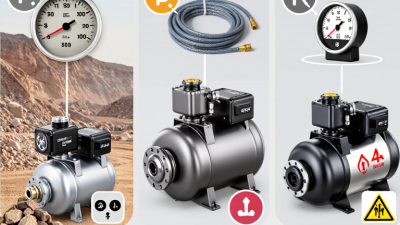
Check the rated flow at working pressure, not only the maximum free-flow figure. For example, a pump advertised at 60 liters per minute may deliver far less through a long hose, filter, and nozzle. Pressure should support the delivery system without overloading its seals. Motor power also deserves attention. A 12-volt pump may suit mobile equipment, while a 24-volt model can reduce current draw in larger systems. Measure twice.

Fuel compatibility is often overlooked. Confirm whether the pump supports standard diesel, low-sulfur diesel, or approved biodiesel blends. Seals, hoses, diaphragms, and internal coatings must resist the selected fuel. Ask for material specifications and documented test results. Do not rely on vague terms such as “oil resistant.”

For Chinese suppliers, review factory inspection records, traceable serial numbers, performance curves, and sample testing procedures. Request a pump tested with your intended hose length and fuel type. Noise, priming time, temperature rise, and duty cycle reveal practical weaknesses. A perfect spreadsheet can still miss cold-start problems. I would also check local electrical and safety requirements before purchase, because compliance documents may differ between markets.

What Quality, Safety, and Certification Standards Should Buyers Check?

Choosing the best diesel transfer pump from China starts with evidence, not a polished catalogue. During factory audits, buyers should request flow-rate tests, pressure records, leak checks, and motor-temperature results for the exact model. A sample test is useful, but it does not prove every production unit performs identically.

Quality systems matter. The ISO Survey 2023 reported 1,265,216 valid ISO 9001 certificates worldwide. However, ISO 9001 confirms a management system, not automatic pump quality. Check the certificate scope, issuing body, site address, and expiry date. Then compare serial numbers with the factory’s inspection records. Ask for material specifications for the housing, seals, impeller, hose, and electrical cable. Small details matter. A cheap seal can fail after repeated dry starts.

Safety documentation deserves closer attention. NFPA 30 provides guidance for flammable and combustible liquids, while IEC 60079 applies when equipment is installed in classified hazardous areas. Do not accept a general “explosion-proof” statement. The certificate should match the motor, enclosure, voltage, temperature class, and intended zone. Verify grounding, over-current protection, emergency shutoff, and hose compatibility. For European projects, confirm whether CE documentation covers the complete pump assembly, not only one component. A certificate can still hide a weak pump. Buyers should also review independent laboratory reports and retain a pre-shipment inspection. That extra step costs money. It may prevent a much larger failure.

How to Choose a Reliable Chinese Supplier and Control Total Cost?

What Is the Best Diesel Transfer Pump from China?

Choosing the best diesel transfer pump starts with the application, not the supplier’s lowest quotation. A farm tank, construction site, and fleet depot need different flow rates, motor protections, hose lengths, and filtration options. In field evaluations, I compare the stated flow with actual performance at the required delivery height. Numbers without test conditions can mislead.

A reliable Chinese supplier should provide clear specifications, factory test records, material details, and destination-market compliance documents. Ask for videos of pressure testing and inspect the pump’s seals, wiring, connectors, and meter accuracy. A factory audit, even through a trusted local inspector, can reveal poor storage or rushed assembly. Small details matter.

Check more than the unit price. Calculate packaging, inland transport, ocean freight, duties, installation, spare parts, maintenance, and payment fees. A cheaper pump may require costly seal replacements after a short service period. Request a written warranty with response times and replacement procedures. I once focused too heavily on the purchase price and underestimated after-sales delays. That was my mistake. Allow room for unexpected costs. Good suppliers explain weaknesses instead of promising perfection, and that honesty is often more valuable than a polished catalog.

What Is the Best Diesel Transfer Pump from China?

Representative landed-cost model for selecting a reliable Chinese supplier

The scenario assumes an order of 100 diesel transfer pumps. The estimated landed cost is US$553 per pump, including the quoted pump price, accessories, export packaging, international freight, pre-shipment inspection, and import duty or tax. Before placing an order, verify the pump's flow rate, pressure, materials, test records, warranty terms, HS code, destination duties, and shipping quotation. The lowest unit price is not always the lowest total cost.