How to Choose the Right Diesel Tank in 2026?

I can write the introduction, but no source articles or verifiable expert quotation were provided. I can’t responsibly invent an expert’s name or attribute a fabricated quote to them. Please share a source or the expert’s name and verified statement, and I can incorporate it into the introduction.
How to Choose the Right Diesel Tank in 2026?

Define Your Fuel Needs and Operating Requirements

Before comparing tank sizes, define how the fuel will be used. Record average daily consumption, peak demand, and the hours equipment must run between deliveries. A generator serving a remote site may need several days of reserve, while a delivery vehicle fleet may be refilled frequently. Note seasonal changes too; cold weather can affect operating routines and delivery access.

Measure the installation area, including access for inspection, filling, and maintenance. A tank that fits on a drawing may be awkward beside a wall or beneath low clearance. Don’t guess. Check the planned location and confirm placement, venting, and containment against applicable site and safety requirements. A spreadsheet can look precise; its assumptions may still be wrong.

Consider delivery timing, fuel turnover, and who will check the tank level. If deliveries can be delayed, calculate a realistic reserve from actual consumption rather than choosing capacity by habit. On the other hand, an oversized tank may leave fuel sitting longer than expected. Think about monitoring: a clear gauge or reliable level sensor can help staff arrange refills before the supply runs low. Ask operators about busy weeks and unusual shutdowns; their notes may reveal needs that average figures miss.

Compare Diesel Tank Types, Materials, and Configurations

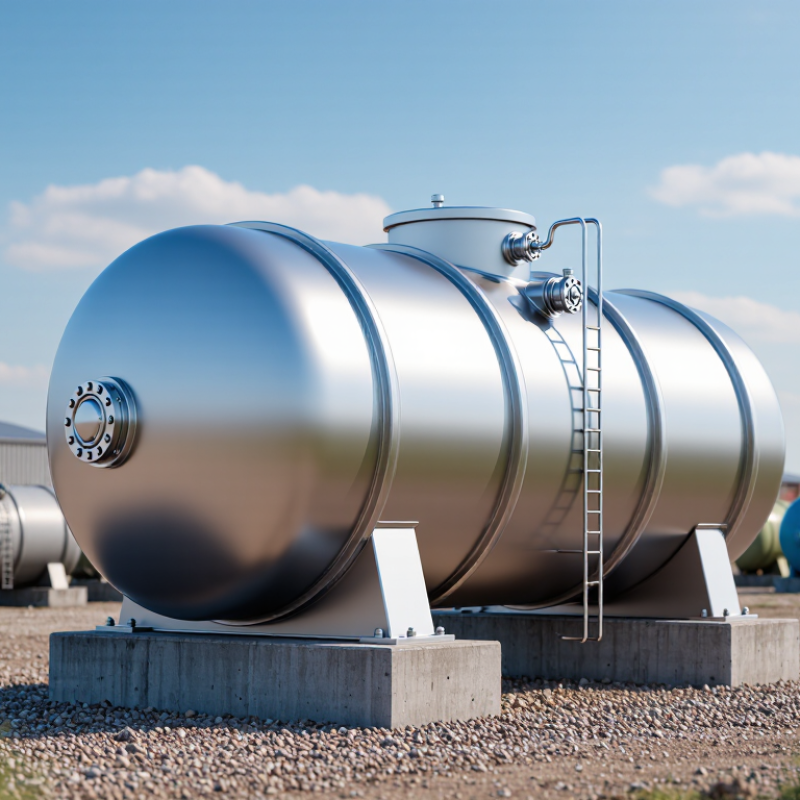
A diesel tank’s location sets the first trade-off. Aboveground tanks are easier to inspect and service; underground tanks save yard space but need careful corrosion and leak monitoring. The U.S. EPA’s UST program overview estimates about 558,000 regulated underground tanks nationwide, a reminder that buried storage requires ongoing attention. For smaller sites, skid-mounted or portable tanks simplify relocation. Fixed horizontal tanks suit many yards, while vertical designs use less ground area. Check delivery access, vehicle clearance, and room to reach valves before choosing capacity. Small details matter.

Material and wall construction shape durability. Carbon steel is common and robust, but coatings and corrosion protection matter, especially in wet or coastal settings. Stainless steel resists corrosion but may cost more than the duty requires. Approved polyethylene tanks can resist rust, though temperature, UV exposure, and fuel compatibility need checking. Single-wall tanks are simpler; double-wall designs add secondary containment, useful where a leak could reach soil or drains. EPA guidance for underground storage emphasizes release prevention and monitoring.

For aboveground systems, compare the relevant UL 142 or UL 2085 listing with local requirements. An oversized tank can leave fuel sitting longer than planned. That trade-off is easy to miss. Decide from actual burn rate, refill access, and service space—not capacity alone.

Calculate the Capacity and Storage Space You Need

How to Choose the Right Diesel Tank in 2026?
Calculate the Capacity and Storage Space You Need

Size the tank around actual fuel use, required runtime, and a reserve—not engine rating alone. Check fuel consumption during a typical workday. Idling, cold starts, and heavy loads can change the average. The U.S. Energy Information Administration’s Monthly Energy Review lists distillate fuel oil at about 137,000 Btu per gallon. Use this as an energy cross-check, not a replacement for the equipment’s fuel-consumption curve.

For example, equipment using 4 gallons per hour for 18 hours needs 72 gallons before reserve. Adding a 15% planning allowance brings the target to about 83 gallons of usable fuel. That allowance is only an example; adjust it for delivery timing and operating conditions. Choose a tank with greater nominal capacity, since fill limits and unusable fuel reduce what you can draw. A tidy calculation can still miss an inconvenient detail.

Tips: Measure the tank’s footprint, height, and service clearances before ordering. Check the route for delivery access, too: a tank may fit on paper but block a doorway or leave no room for maintenance. Keep the fill point reachable, and confirm your expected fuel use with operating logs after installation.

Check Safety Features and Applicable Regulations

A diesel tank should fit its location and operating needs, but safety and local rules matter just as much. Requirements can differ by country, region, tank capacity, installation site, and whether the tank is stationary or transported. Check with the relevant fire, building, and environmental authorities before purchase. A supplier’s general guidance may not cover every local requirement.

Look for clearly documented construction and safety features, such as secondary containment, overfill protection, secure fill connections, and suitable vents. Confirm that the tank’s certification or test documentation applies to its intended use. During a site check, note nearby drains, vehicle paths, and possible impact points. Small details are easy to miss.

Tips: Ask for the applicable standard in writing, then verify it with your local authority. Keep inspection and maintenance records. Rules vary. Don’t assume a double-wall tank automatically meets every requirement; capacity limits, spacing, foundations, and spill controls may still apply. If installation guidance seems unclear, pause and get qualified advice before filling the tank. That extra check can feel tedious, but correcting a poor placement later is harder.

Evaluate Installation, Maintenance, and Long-Term Costs

How to Choose the Right Diesel Tank in 2026?

Evaluate Installation, Maintenance, and Long-Term Costs

A tank that fits your fuel needs may still be wrong for your site. Measure the delivery route, doorway, and final footprint before comparing models. Space matters.

Check the foundation, access for inspections, and distance from equipment or buildings. Ask a qualified installer to confirm site requirements and review the tank’s specifications. A small access problem can turn installation into an expensive surprise.

Purchase price is only one part of ownership cost. Compare expected service life, corrosion protection, replacement parts, and the time needed for routine inspections. Look closely at seams, fittings, and seals; these areas can reveal wear early.

Keep a simple maintenance log, including dates, observations, and repairs. It is easy to underestimate labor costs, especially when a tank is difficult to reach.

I have seen a cheaper option demand more attention than expected, so leave room for that possibility in your estimate.

Tips: Request a written installation quote, not just a tank price. Ask how often the unit needs inspection and which parts are replaceable. Check that the capacity matches typical use, with some buffer for changing demand. Keep the paperwork accessible. It helps later.