2026 Top Diesel Fuel Tank Types for Global Buyers?
Choosing the right diesel fuel tank in 2026 requires more than comparing prices or advertised capacity. Global buyers must examine fuel compatibility, climate exposure, transport rules, installation conditions, and long-term maintenance. A tank serving a remote mine faces different demands than one supporting a farm, construction site, or emergency generator.
“Tank selection should begin with the fuel, the site, and the risk—not the catalogue,” says Rick Long, a recognized petroleum-equipment industry specialist. This practical principle remains relevant. Steel tanks offer strength and large capacities, while polyethylene tanks provide corrosion resistance and easier handling. Double-wall models add secondary containment, which can protect soil and reduce cleanup concerns. Portable tanks improve flexibility, but they may require closer inspection during transport.
This guide examines the leading diesel fuel tank types expected to attract global buyers in 2026. It compares above-ground steel tanks, double-wall systems, portable tanks, underground tanks, and modular containers. Each option has strengths. Each also has limitations. A cheaper tank may demand more protection in coastal climates. A larger tank may create unnecessary maintenance costs. That detail is easy to overlook.
No ranking fits every buyer. Local standards, fuel quality, temperature changes, and available service support can alter the final decision. Buyers should verify specifications with qualified engineers and approved suppliers before purchase. Even experienced teams sometimes underestimate ventilation, access, or inspection space. That deserves a second look.
Diesel Fuel Tank Basics and Global Buyer Requirements
2026 Top Diesel Fuel Tank Types for Global Buyers
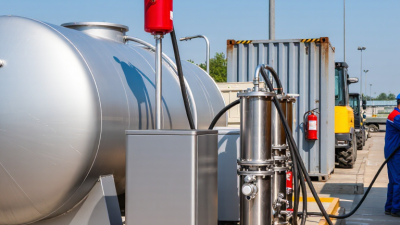
Diesel fuel tank selection begins with fuel basics, not catalog appearance. Aboveground horizontal tanks suit farms, generators, and construction sites with limited daily demand. Vertical tanks store larger volumes efficiently, but their foundations require careful engineering. Double-wall tanks add secondary containment and simplify leak monitoring. Portable tanks support temporary projects, although movement can increase connection and inspection risks.
The IEA Oil 2024 report projected global oil demand growth of about one million barrels daily in 2024 and 2025. This continuing demand keeps diesel storage relevant across transport, mining, agriculture, and backup power. The U.S. Energy Information Administration also identifies liquid fuels as important across industrial and transport systems through 2050. Therefore, global buyers should assess climate, delivery access, fire separation, and replenishment frequency. Cold regions may need heating protection. Coastal sites need stronger corrosion control.
Standards matter more than tank shape. Buyers commonly review API 650, UL 142, EN 12285-2, and local fire codes. Requirements differ by country. A tank approved for one market may still require local certification, labeling, or environmental controls. Check steel grade, weld testing, grounding, vents, overfill protection, and secondary containment. A recurring procurement mistake is choosing capacity before calculating actual consumption. That approach looks efficient, but it can create stagnant fuel, unnecessary capital cost, or frequent refilling. The calculation is not perfect; demand changes. Use measured consumption data, delivery lead times, and a realistic emergency reserve.
Main Diesel Fuel Tank Types Available in 2026
Main Diesel Fuel Tank Types Available in 2026
Diesel fuel storage in 2026 usually falls into four practical categories: aboveground, underground, mobile, and skid-mounted tanks. Aboveground steel tanks remain popular for farms, factories, and generator sites. They simplify inspection, cleaning, and leak detection. Double-wall construction adds a secondary barrier around the primary tank. This design is useful where soil protection and spill control matter.
Underground tanks save valuable surface space, especially at vehicle depots and service facilities. However, installation costs are higher, and hidden corrosion can become difficult to detect. The U.S. Environmental Protection Agency’s 2024 underground storage tank data shows that corrosion protection and release detection remain major compliance priorities. A small oversight can become expensive.
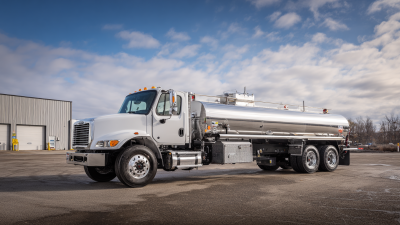
Mobile tanks support temporary power, construction, and emergency logistics. Skid-mounted tanks combine storage, pumps, filtration, and monitoring equipment on one frame. They can reduce installation time, but transport weight and access conditions require careful planning. The 2025 International Energy Agency Oil report still identifies diesel-related demand as significant across industry and transport, supporting continued investment in reliable storage. Mordor Intelligence’s 2025 fuel storage market analysis also highlights double-wall systems and monitoring technology as important growth areas. Yet market reports often generalize regional needs. Measure twice. Temperature, fuel turnover, fire separation, and local environmental rules can change the best tank choice.
2026 Top Diesel Fuel Tank Types for Global Buyers
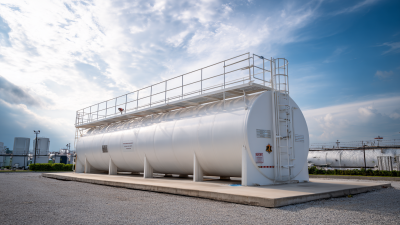
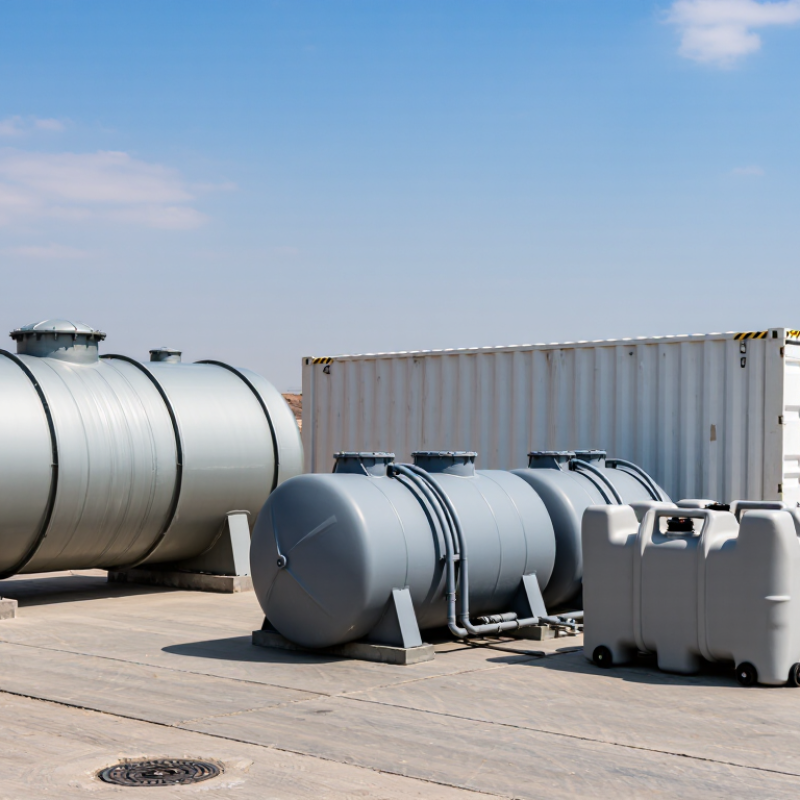
Main diesel fuel tank types available in 2026, compared by representative nominal capacity commonly specified for commercial and industrial applications.
Aboveground horizontal and vertical tanks are widely used for on-site fuel storage, while underground double-wall tanks are selected when space and environmental protection are priorities. Self-bunded tanks provide integrated secondary containment, and portable skid-mounted tanks are suitable for temporary, mobile, or remote fuel supply. Actual capacities vary according to local regulations, transport requirements, fire-safety rules, and project demand.
Material, Capacity, and Design Comparisons
2026 Top Diesel Fuel Tank Types for Global Buyers
Material, Capacity, and Design Comparisons
Material selection controls service life, maintenance, and transport risk. Carbon steel remains practical for large aboveground tanks, especially where impact resistance matters. Stainless steel handles severe corrosion, but its price can be difficult to justify. High-density polyethylene is lighter and resists many chemicals, yet heat, sunlight, and permeation require careful review. The IEA’s Oil 2024 report expects global oil demand to reach 105.4 million barrels daily by 2030. That demand will not make every tank suitable. Local climate still decides more than market headlines.
Capacity should match delivery cycles, emergency supply, and available space. Small tanks below 5,000 litres suit farms, workshops, and backup generators. Medium tanks between 5,000 and 50,000 litres support construction sites and regional facilities. Larger systems need structural analysis, foundation planning, and spill containment. Horizontal cylindrical tanks are easier to install on skids. Vertical tanks use land efficiently but need stronger foundations and access systems. Double-wall designs add leak monitoring and secondary containment, although they increase purchase cost. API 650, UL 142, and EN 12285 provide useful design references, but they are not interchangeable.
Tips: Check diesel temperature, soil conditions, inspection access, and delivery frequency before choosing capacity. Ask for material certificates and pressure-test records. A cheaper tank may become expensive after repainting, heating, or relocation. I would also challenge one common assumption: “bigger” is not automatically safer. Overcapacity can leave fuel aging in the tank. Follow current local fire, environmental, and electrical requirements.
Safety, Compliance, and Environmental Considerations
2026 diesel fuel tank selection should begin with risk, not capacity.
Double-wall aboveground tanks offer visible inspection and built-in containment, making leaks easier to detect. Underground tanks save space, but corrosion surveys and leak monitoring become more demanding. Steel provides strong impact resistance; certified polymer tanks can reduce corrosion concerns, but heat exposure needs careful review. Local fire codes still decide the acceptable design.
The U.S. EPA’s SPCC framework requires many facilities to control oil-release risks and maintain secondary containment. It is not a universal global rule. Buyers should also check site permits, fire separation distances, grounding, overfill alarms, and emergency drainage. NFPA 30 remains a widely referenced flammable and combustible liquid standard, although national adoption differs. Small gaps in documentation can delay installation.
Environmental pressure is rising.
The IEA’s World Energy Outlook 2024 expects oil demand to plateau around 2030 under stated policies. The IMO 2023 greenhouse-gas strategy targets a 20–30% reduction by 2030 and net-zero emissions around 2050. Efficient tanks cannot remove diesel emissions, but they can limit spills, evaporation, and contaminated soil. Specify leak sensors, shutoff valves, corrosion protection, and inspection records. These details matter. A practical weakness remains: even the best tank fails when operators ignore alarms, inspections, or damaged fittings.
How to Select the Right Tank for Global Applications
2026 Top Diesel Fuel Tank Types for Global Buyers?
How to Select the Right Tank for Global Applications
Global buyers should match tank design to fuel demand, climate, transport, and installation conditions. The IEA Oil 2024 report projects global oil demand will reach 105.4 million barrels per day by 2030. That growth increases the need for dependable diesel storage across farms, construction sites, logistics yards, and backup power facilities.
Aboveground steel tanks suit fixed installations with regular inspection access. Double-wall models add secondary containment, which helps limit environmental damage after a leak. Skid-mounted tanks work well for temporary projects because forklifts can relocate them. Portable tanks require stronger attention to vibration, lifting points, and secure connections. Underground tanks save surface space, but soil corrosion and leak detection make maintenance more demanding.
Climate changes the specification. In coastal areas, buyers should request suitable corrosion protection. Cold regions may need insulation, heating systems, or fuel-management controls. Hot climates require consideration of thermal expansion and ventilation. The U.S. Energy Information Administration continues to identify diesel and distillate fuels as important inputs for transport and industrial activity, supporting careful capacity planning.
Do not size the tank only by its nominal volume. Allow space for expansion, sediment, emergency reserves, and delivery intervals. A 10,000-liter tank may be inadequate when roads flood or supply chains slow. It may also be excessive for a small generator, creating unnecessary holding time and maintenance risk. Confirm applicable standards, such as EN 12285 or UL 142, with qualified local professionals before purchase. Data sheets can look complete. Field conditions often prove otherwise.