How to Choose the Best Diesel Tank with Pump for Your Needs?
When choosing a diesel tank with pump, it's essential to understand the specific requirements of your operation. The global diesel tank market is projected to reach $4.3 billion by 2027, reflecting a robust demand for efficient fueling solutions. With this growth, selecting the right equipment is more crucial than ever. A well-chosen diesel tank can enhance productivity and ensure compliance with safety standards.
Consider your storage needs, as they vary significantly. Factors such as capacity, pump type, and location matter. A tank that is too small may lead to frequent refueling, causing delays. An oversized tank could waste space and resources. Industry reports indicate that efficient systems reduce fuel loss by up to 20%. The optimal diesel tank with pump directly impacts operational efficiency and cost management.
Regular maintenance is also vital, yet often overlooked. Neglecting this can lead to leaks and environmental hazards. Reflecting on these details the right choice not only meets your needs but also promotes sustainability. Investing time in understanding these aspects can prevent costly mistakes in the long run.
Understanding Your Diesel Storage Needs and Requirements
Understanding your diesel storage needs is crucial for effective fuel management. According to the *National Petroleum Marketers Association*, efficient diesel fuel storage can reduce waste by up to 25%. Assessing your requirements starts with determining the volume of diesel you need regularly. A tank size too small can lead to frequent refills, while one that’s excessively large may lead to fuel degradation.
Consider the location of your tank. It should be easily accessible yet compliant with safety regulations. Additionally, you must think about space and environmental factors. A poorly placed tank can lead to spills or leaks, causing costly cleanups. For various industries, the guidelines suggest having a tank that meets at least a 30-day supply of fuel. This offers a buffer during supply chain disruptions.
**Tips:** Regularly inspect your diesel tank for any signs of wear or damage. Conducting these checks can help you avoid unexpected failures. If you store fuel for extended periods, consider fuel additives to prolong its lifespan. Remember, choosing a diesel tank is not just about capacity; it’s about meeting operational needs securely and efficiently.
How to Choose the Best Diesel Tank with Pump for Your Needs?
This chart provides an overview of key metrics to consider when selecting the best diesel tank with pump for your needs, including capacity, pump flow rate, dimensions, weight, and price.
Types of Diesel Tanks and Their Capacity Considerations
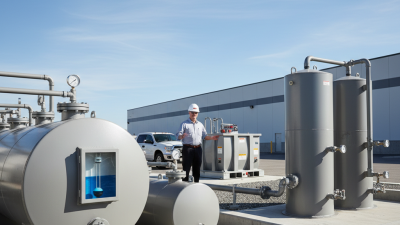
When selecting a diesel tank with a pump, understanding the various types is crucial. There are portable, stationary, and above-ground options, each serving different needs.
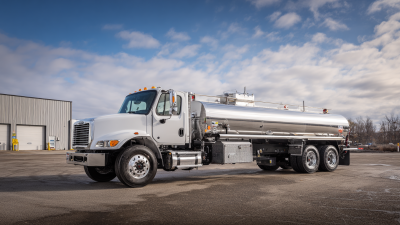
Portable tanks are ideal for those who operate in multiple locations. They are easy to transport but may have limited capacity.
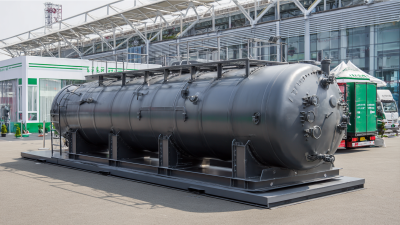
Stationary tanks, however, can hold larger volumes, making them suitable for long-term use at a single site. Above-ground tanks provide easy access for refueling but require more space.
Capacity considerations matter significantly. A large tank may seem convenient, but it comes with higher upfront costs. It also requires more space and might need more complex installation. Smaller tanks are more manageable, yet they necessitate frequent refilling. This could lead to increased downtime if not planned properly.
Tips: Always calculate your average fuel usage. This can help determine the right tank size. Consider potential overflow or spillage risks associated with larger tanks. Ensure that any selected tank blends efficiently with your existing equipment. Doing so can minimize operational disruptions and promote safety.
Evaluating Pump Options: Electric vs. Manual Pumps
When selecting a diesel tank with a pump, evaluating your pump options is critical. You typically face
two main choices: electric pumps and manual pumps.
According to recent industry reports, electric pumps are popular for their efficiency and faster delivery rates.
They can transfer large volumes quickly, often achieving rates of up to 50 gallons per minute.
This makes them ideal for high-demand applications. However, their reliance on electricity can be a drawback in off-grid settings.
Manual pumps, on the other hand, are simpler and require no electrical connection. Reports indicate that they are
less expensive to purchase and maintain, making them a viable option for lower volume needs. However, manual pumps
do require physical effort. This could lead to fatigue if used frequently. Users may find that a balance between
convenience and effort is necessary, especially in time-sensitive tasks.
Tip: Consider your specific needs before deciding.
Electric pumps are best for heavy users, while manual pumps suit sporadic use. Another tip: assess the terrain
where the tank will be used. Manual pumps may be easier to handle in remote locations without power access.
Ultimately, think about your work patterns. The choice should align with your operational demands and
personal comfort levels.
Key Safety Features to Look for in Diesel Tanks
When selecting a diesel tank with a pump, safety is paramount. Key features to consider include spill containment, overfill prevention, and pressure relief systems. According to recent industry reports, nearly 70% of fuel-related accidents stem from inadequate safety measures. Investing in a tank with robust spill containment can significantly reduce environmental risks.
The pump's design also plays a critical role in safety. A secure, well-designed pump minimizes the risk of leaks and ensures proper fuel flow. Features such as automatic shut-off valves are essential. These prevent overfilling and reduce the likelihood of accidents. Statistics indicate that tanks equipped with automated systems can lower incidents by 40%.
Material construction matters as well. Tanks made from high-density polyethylene or steel provide durability and corrosion resistance. These materials are less prone to failure over time. Regular maintenance is crucial, though. Ignoring it can lead to unforeseen issues. A comprehensive risk assessment can help identify potential weaknesses in any setup. This assessment is often overlooked yet essential for long-term safety and efficiency.
Budgeting for Initial Purchase and Maintenance Costs
When budgeting for a diesel tank with a pump, the initial purchase and ongoing maintenance costs are crucial. Begin by evaluating the tank's capacity. Larger tanks incur higher upfront costs but may save money over time through reduced refueling trips. Consider additional features too, like automatic shut-off systems or integrated monitoring devices. These might add to the price, but they enhance safety and efficiency.
Maintenance shouldn't be overlooked. Regular checks are essential to avoid costly repairs. This includes inspecting hoses, pumps, and fittings. Setting aside a small annual budget for unexpected repairs is wise. Despite careful planning, issues can arise that challenge your budget. Always prepare for these financial surprises.
Lastly, account for environmental regulations in your area. Compliance can add to costs but is crucial for long-term viability. Balancing these factors requires thoughtful assessment. Understanding and anticipating your needs will lead to a better investment in the long run. Reflect on what features matter most to you and make informed choices.