Top Diesel Fuel Tank Options for Efficient Fuel Storage and Management?
In the realm of efficient fuel storage and management, choosing the right diesel fuel tank is pivotal. Industry expert John McCarthy, known for his extensive work in fuel management, once stated, “The right tank is crucial for maintaining fuel quality and operational efficiency.” A diesel fuel tank, when selected wisely, can enhance both safety and functionality in storage.
Different options exist for diesel fuel tanks, each serving unique needs. Portable tanks are perfect for mobile fueling applications, while stationary tanks are ideal for bulk storage. Additionally, many tanks now come with advanced monitoring systems to ensure optimum management. Understanding the various features can lead to better decision-making.
However, it’s essential to acknowledge that not all tanks meet quality standards. Issues such as corrosion and contamination can arise if the wrong materials are chosen. Therefore, evaluating both the tank type and its construction is critical. Remember, investing in a reliable diesel fuel tank can minimize risks and enhance overall efficiency.
Types of Diesel Fuel Tanks for Optimal Storage Solutions
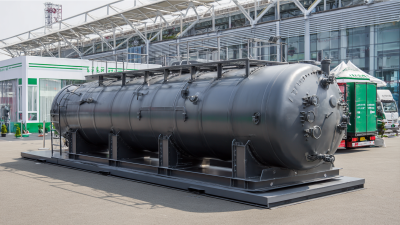
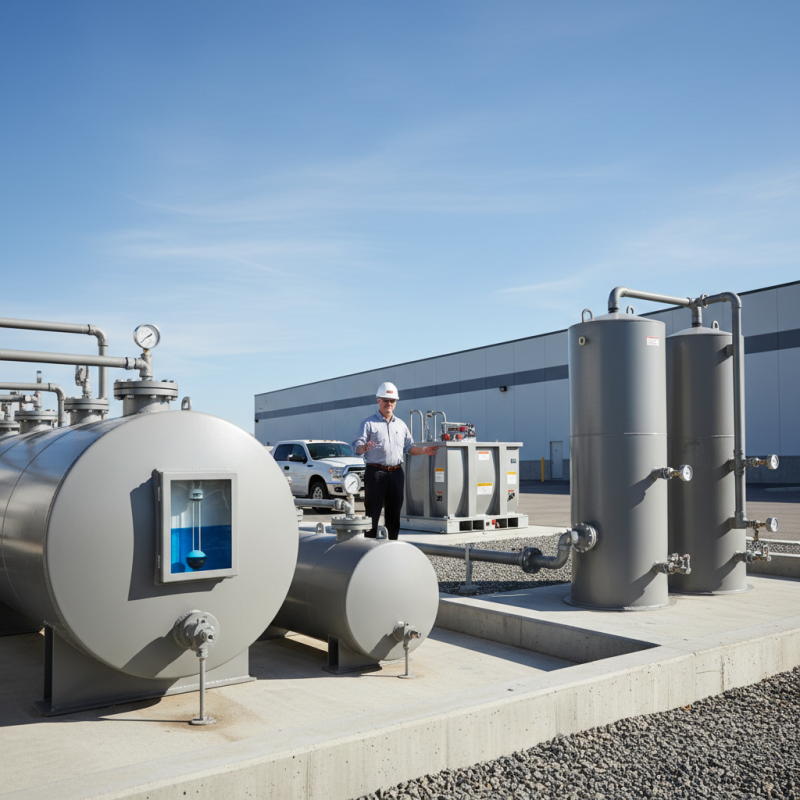
When it comes to diesel fuel storage, selecting the right tank is vital for efficiency. Various types of diesel tanks are available, each designed to meet specific needs. Aboveground tanks are a popular choice. They allow for easy monitoring and access. According to industry reports, these tanks can hold anywhere from a few hundred to thousands of gallons. Their visibility makes it easier to ensure proper maintenance.
Underground tanks present another storage option. While they require significant initial investment, they save space and are less susceptible to environmental factors. Industry data indicates that underground tanks can significantly reduce evaporation losses. A correctly installed and maintained underground tank can last over 30 years. However, they come with concerns about leaks, making regular inspections essential.
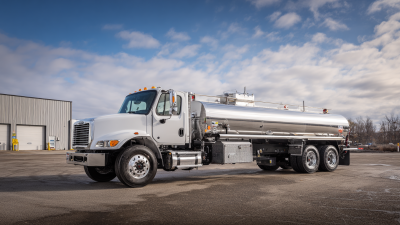
Transportable tanks also serve a unique purpose. Designed for mobility, these tanks are perfect for remote job sites. They offer flexibility but often have lower capacities than fixed tanks. Despite this, they play a critical role in ensuring fuel availability during projects. Industry research highlights the importance of choosing a tank based on specific operational needs to optimize storage solutions effectively. Each tank type presents its own set of challenges and benefits, emphasizing the need for careful consideration in the selection process.
Top Diesel Fuel Tank Options for Efficient Fuel Storage and Management
Key Features to Consider When Selecting a Diesel Fuel Tank
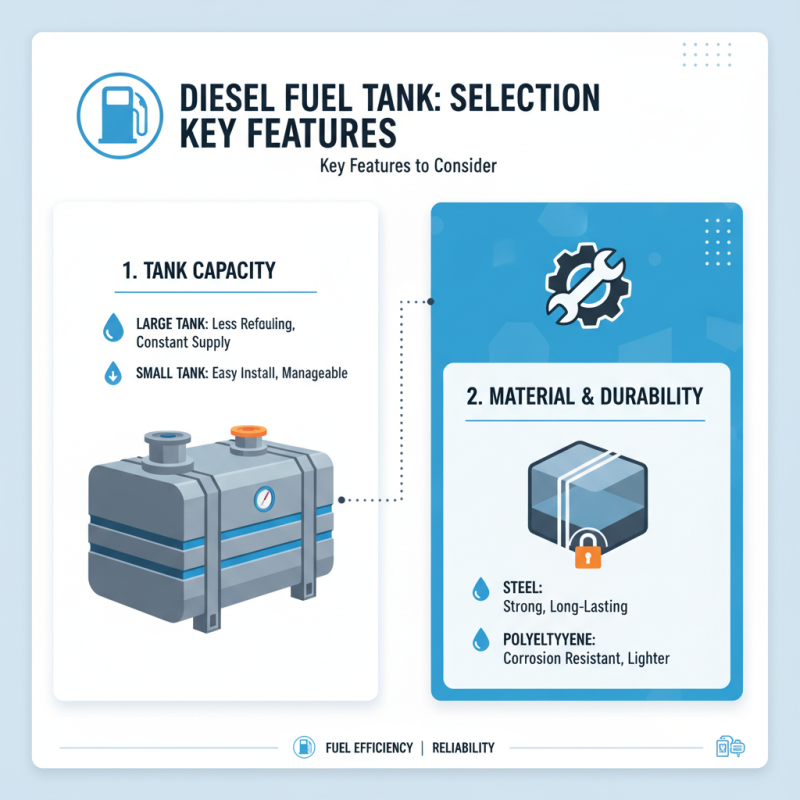
When selecting a diesel fuel tank, several key features must be considered. First, tank capacity is essential. It determines how much fuel can be stored and impacts refueling frequency. For operations that require constant fuel supply, a larger tank may be ideal. However, smaller tanks can be more manageable and easier to install in limited spaces.
Another critical aspect is the material. Tanks can be made from steel, plastic, or composite materials. Steel tends to be durable but may rust over time. On the other hand, plastic options are lightweight and resist corrosion. Understanding the local climate and potential exposure to chemicals is vital. Additionally, consider the tank’s protection features. Adequate ventilation and security measures can prevent contamination and theft.
Maintenance requirements are also an important factor. Regular inspections can catch leaks or issues early. Some tanks may feature built-in monitoring systems, offering real-time data on fuel levels and conditions. This can lead to more efficient management. However, these systems may require technical knowledge to troubleshoot. Balancing these features with operational needs can lead to a more effective fuel storage solution. Reflecting on the unique needs of your operation will guide the decision.
Best Practices for Diesel Fuel Management and Maintenance
Effective diesel fuel management and maintenance are critical for any operation relying on diesel fuel. Regular monitoring of fuel levels can prevent unexpected shortages. Consider implementing a tracking system to alert you when levels are low. This practice helps ensure timely refueling and avoids downtime.
Storing diesel fuel correctly is essential for maintaining its quality. Tanks should be kept clean and inspected frequently. Water accumulation can lead to microbial growth, which contaminates the fuel. Implement a schedule for tank cleaning and fuel filtration to maintain optimal conditions. Frequent checks can help identify any potential issues early on.
To enhance fuel efficiency, consider using fuel additives. These can improve combustion, reducing emissions and enhancing engine performance. However, be cautious—overusing additives can lead to residue buildup. It’s important to follow recommended guidelines for any additives used. Maintaining a balance between product use and efficiency is vital for achieving the best results.
Comparative Analysis of Above-ground vs. Underground Diesel Tanks
When considering the storage of diesel fuel, two primary options emerge:
above-ground and
underground tanks.
Each has distinct advantages and disadvantages.
Above-ground tanks are easier to inspect and maintain.
They are often more cost-effective upfront. However, they are exposed to environmental risks and require protective measures against spills or leaks.
On the other hand,
underground diesel tanks offer benefits in terms of space and aesthetics.
They maintain a lower temperature, which can reduce fuel evaporation.
The National Fire Protection Association (NFPA)
has noted that underground tanks can decrease risks associated with fire hazards.
However, installation is more complex and costly.
An estimated 50% of environmental impacts from leakage events stem from underground systems,
indicating the importance of proper maintenance.
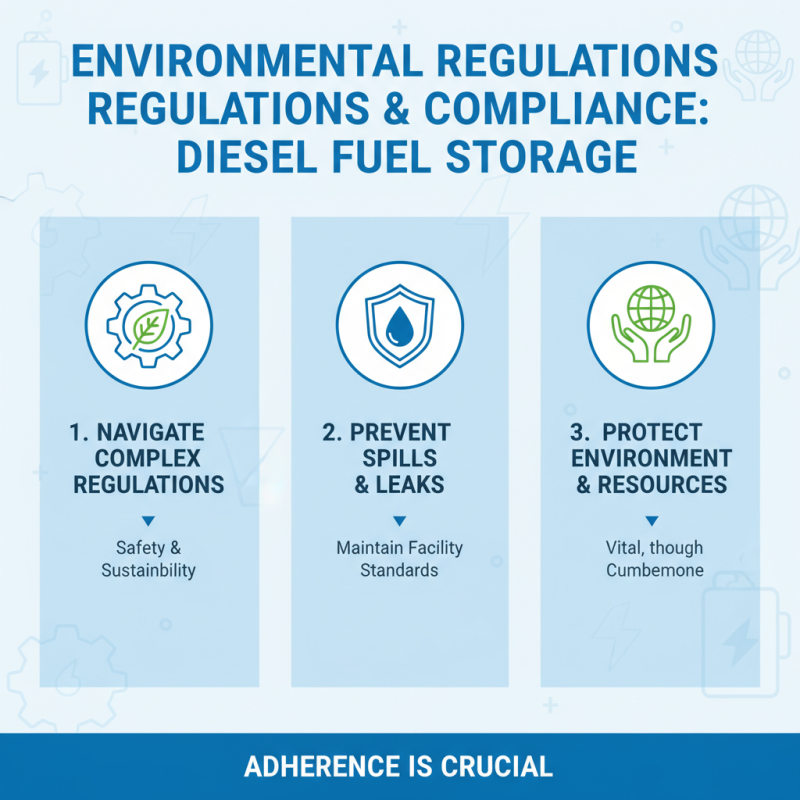
Regulatory compliance remains a crucial factor in the choice of tank type.
The Environmental Protection Agency (EPA) has guidelines that govern both options.
Above-ground tanks may require spill prevention measures, while underground tanks need stringent monitoring systems.
It is essential for operators to weigh these factors carefully.
Decisions often hinge on budget, site conditions, and long-term operational needs.
Understanding these nuances will help in choosing the right tank for efficient fuel storage and management.