10 Best Fuel Transfer Tanks with Pumps for Buyers
Reliable fuel access matters when a truck, tractor, or generator cannot easily reach a service station. The U.S. Energy Information Administration’s Monthly Energy Review reports that domestic distillate fuel oil product supplied averaged about 3.9 million barrels per day in 2023. That figure reflects broad demand, not sales of transfer equipment, but it shows why dependable diesel handling remains important across many work settings.
A fuel transfer tank with pump can make refueling more practical, but capacity alone does not tell the whole story. Buyers should compare pump flow rate, hose and nozzle design, power source, tank material, mounting options, filtration, and clear capacity markings. A fast pump may save time beside a machine, while a poorly matched hose can make routine filling awkward. Small details matter.
This guide compares ten options by features buyers can verify, including published specifications and manufacturer information. It does not treat every product as suitable for every vehicle or job. That distinction is easy to miss. Before purchasing, confirm the tank’s intended fuel, installation requirements, and applicable safety guidance; check the manual rather than relying on a listing photo. No single model wins for every buyer. The trade-off between price, portability, durability, and pumping speed is real, and product specifications do not replace hands-on evaluation. We have to admit that limitation. The best choice is the one that fits the equipment, daily workload, and storage setup—not simply the largest tank on the page.
How Fuel Transfer Tanks with Pumps Work
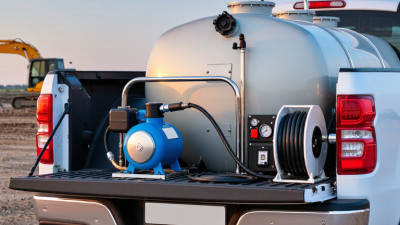
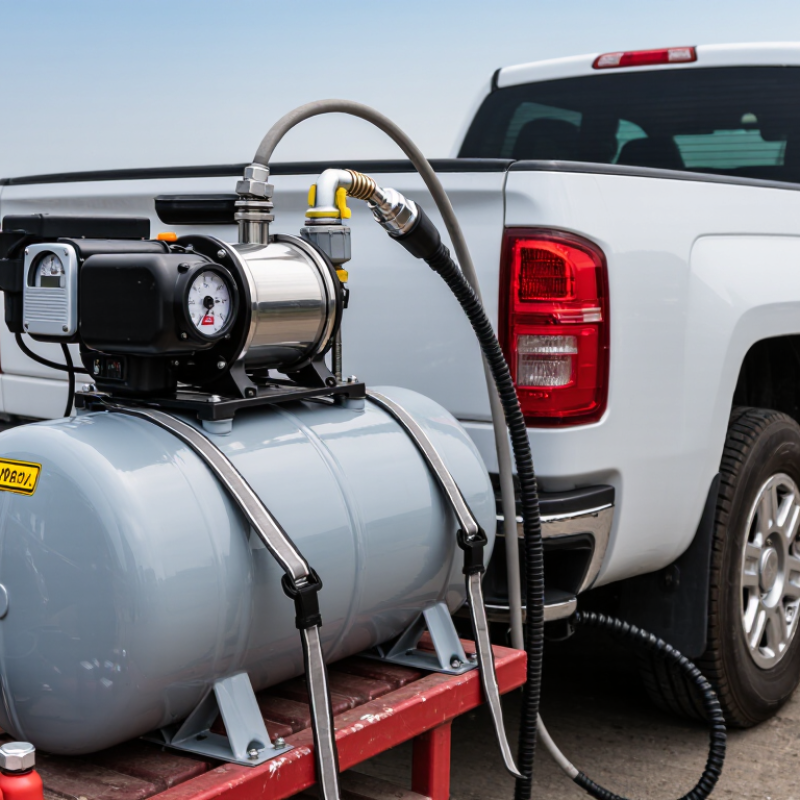
A fuel transfer tank with a pump moves fuel from storage to equipment through a hose and nozzle. The tank holds the supply; the pump creates flow. A pickup tube draws fuel from inside the tank, while an outlet directs it toward the hose. Simple in principle. Some pumps run on a vehicle’s 12-volt power, while others use a separate power source.
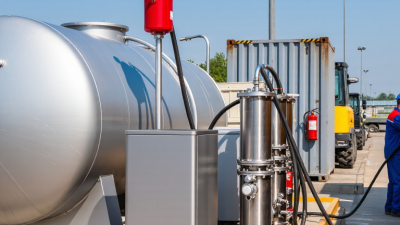
When switched on, the pump’s motor drives an internal mechanism that pushes fuel through the line. A filter may catch debris before it reaches the nozzle. Some systems also include a meter or an automatic shutoff nozzle. Features vary, so check the equipment instructions rather than assuming every unit works the same way. A small detail matters: a loose fitting can leak, even when the pump itself is working properly.
Before transferring fuel, inspect the hose, connections, and nozzle for wear or damage. Keep the setup stable, use equipment intended for the fuel being handled, and avoid operating near heat or ignition sources. Stay with the transfer and watch the receiving tank; automatic shutoff is helpful, not infallible. A clean, dry connection is easier to inspect, though it can still be missed in poor light.
Types of Tanks and Pump Systems for Different Needs
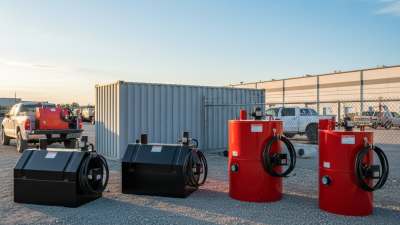
Farm operations often need mobile refueling, while service yards benefit from larger stationary storage. The USDA’s 2022 Census of Agriculture counted about 1.9 million U.S. farms across 880.1 million acres. That scale helps explain why tank mobility and capacity matter. Steel tanks offer rigidity for demanding work; aluminum reduces carried weight. Polyethylene resists corrosion, though heat and impact exposure still deserve attention.
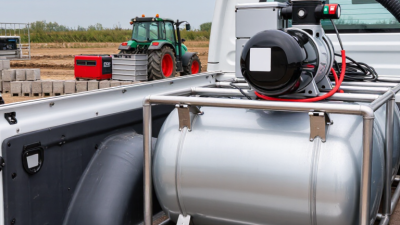
Pump choice should match the power supply and daily workload. A 12-volt DC pump suits vehicle-mounted tanks and remote sites, provided the battery can support it. AC pumps fit workshops with dependable mains power. Manual pumps avoid electrical connections but slow repeated transfers. Add a suitable filter, secure hose, and automatic shutoff nozzle where compatible. Details matter.
The U.S. Energy Information Administration reports that distillate fuel use averaged about 3.9 million barrels per day in 2023. National demand cannot dictate an individual tank size, but it shows the scale of diesel use. For occasional top-ups, a compact tank and modest-flow pump may be enough; frequent equipment refueling calls for more capacity and faster delivery. One trade-off is easy to miss: a larger pump can drain a small tank quickly and strain limited power. Match capacity, pump output, and expected duty cycle, then check applicable installation and transport requirements.
Key Factors for Comparing the 10 Best Fuel Transfer Tanks
When comparing the 10 best fuel transfer tanks, start with usable capacity, not the largest number on the label. The U.S. Energy Information Administration’s Monthly Energy Review lists distillate fuel oil at about 137,381 Btu per gallon. A 100-gallon load therefore stores roughly 13.7 million Btu, making secure mounting and payload checks essential. Confirm tank tare weight, vehicle payload, material, weld quality, baffles, and tie-down points. A tank that fits the bed may still obstruct cargo or place too much weight behind the axle. Small detail, big consequence.
Pump ratings deserve a closer look. Compare stated flow with hose length, nozzle type, power supply, and the lift height you will actually use; advertised gallons per minute may not reflect that setup. Check for accessible filters, a clear fuel-level gauge, weather-resistant wiring, and replaceable seals. For context, the EIA figure describes fuel energy, not a tank’s safe capacity or pump performance. That distinction matters. I would also compare manuals and service parts before buying, even though this step is easy to skip. A clean, well-designed layout can be more useful than a faster pump when refueling equipment in a dusty yard.
10 Best Fuel Transfer Tanks with Pumps: Key Comparison Factors
Compare representative tank capacities and pump flow rates. Larger tanks hold more fuel; higher-flow pumps dispense it faster.
Anonymous example configurations for comparison only—not specifications for particular products. Actual tank capacities and pump flow rates vary; check the product listing and confirm compatibility with your fuel and power supply.
Installation, Maintenance, and Safe Fuel Transfer Practices
Before installing a fuel transfer tank, confirm that its capacity, fuel compatibility, and mounting method suit the vehicle and intended use. Check the payload rating, then place the tank on a stable, level surface. Use the specified fasteners and support points; loose hardware can shift under braking. Keep wiring clear of sharp edges and hot exhaust parts. Follow the tank and pump instructions, especially for venting and electrical protection. Small details matter.
During transfer, park outdoors on level ground, switch off the engine, and keep cigarettes, flames, and other ignition sources away. Wear eye protection and fuel-resistant gloves. Use compatible, undamaged hoses, and keep the nozzle under control rather than wedging it open. Watch the receiving tank continuously; stop before fuel reaches the filler neck. Spills happen. Keep suitable absorbent material nearby, and handle spills according to local guidance. Never leave a running pump unattended.
Inspect the tank, fittings, hose, nozzle, and wiring before each use. Look for cracks, damp spots, loose clamps, corrosion, or a stiff hose. Replace damaged parts with components rated for the fuel and pump. Clean or replace filters according to the manual, and test the shutoff function without assuming it will always work. A neat installation can still hide a weak connection; recheck it after the first few trips. Store equipment securely and cap openings when not in use.