Best Diesel Fuel Tank Buying Guide for Global Buyers?
Choosing the right diesel fuel tank is crucial for various applications. Whether you need it for commercial, agricultural, or personal use, quality matters. A diesel fuel tank should maintain safety and efficiency.
While some buyers may focus solely on price, looking for durability and reputation is vital. Well-known brands often offer tanks with proper certifications. These can include safety features that protect against leaks and spills. It's essential to read reviews and compare specifications.
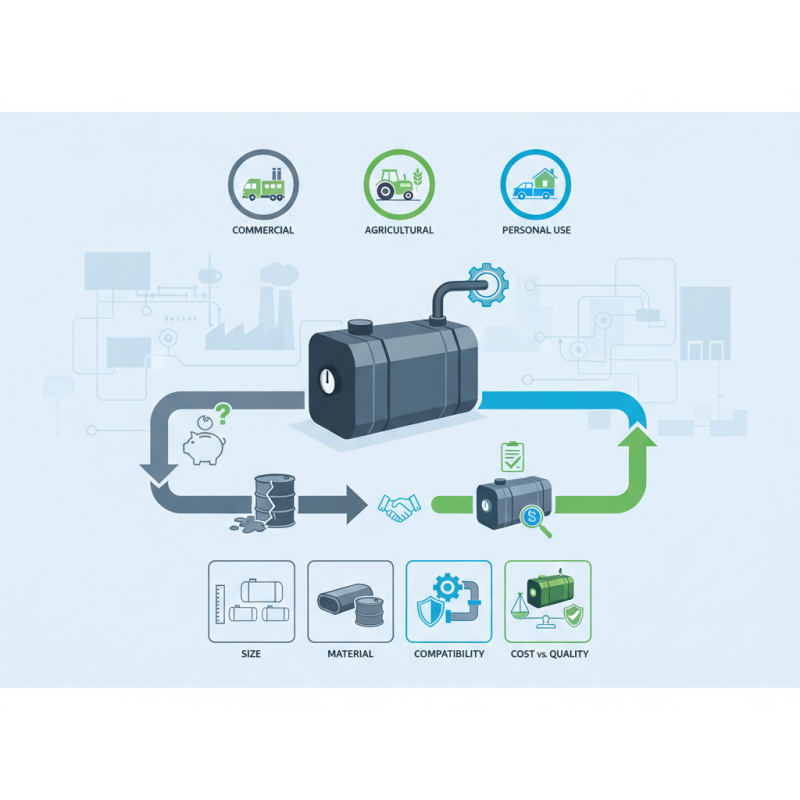
Not all diesel fuel tanks are created equal. Some may claim high performance but fail in real-world conditions. Prospective buyers should consider factors such as size, material, and compatibility with existing systems. Trustworthy manufacturers often provide detailed guidelines that highlight potential drawbacks, key features, and overall performance. Balancing cost and quality can be challenging, yet it leads to better decisions and long-term satisfaction.
Key Considerations When Choosing a Diesel Fuel Tank: Size and Capacity
When choosing a diesel fuel tank, size and capacity are critical factors. Different applications require varying amounts of fuel. For instance, heavy machinery may need larger tanks due to extended operational hours. According to industry reports, a 500-gallon tank is often sufficient for most agricultural and construction applications. However, commercial fleets might necessitate tanks exceeding 1,000 gallons to maintain efficiency.
It's also essential to consider the physical dimensions of the tank. A tank that is too large may cause space issues at your facility. An improperly sized tank can lead to increased costs and management difficulties. According to a survey by the American Petroleum Institute, 30% of respondents reported issues related to tank size affecting their operations. This highlights the importance of aligning your tank choice with your specific needs.
Regular inspections and maintenance are crucial, regardless of the size. Smaller leaks can go unnoticed in larger tanks, leading to environmentally hazardous situations. Choosing the right fuel tank involves thoughtful consideration of both size and maintenance needs. Balancing capacity with operational requirements can help prevent costly mishaps in the future.
Diesel Fuel Tank Size and Capacity Comparison
This chart illustrates the percentage of usage for various diesel fuel tank sizes. As the capacity increases, the usage percentage increases, showing the trend in demand according to tank sizes.
Material and Construction: Understanding Durability and Compliance Standards
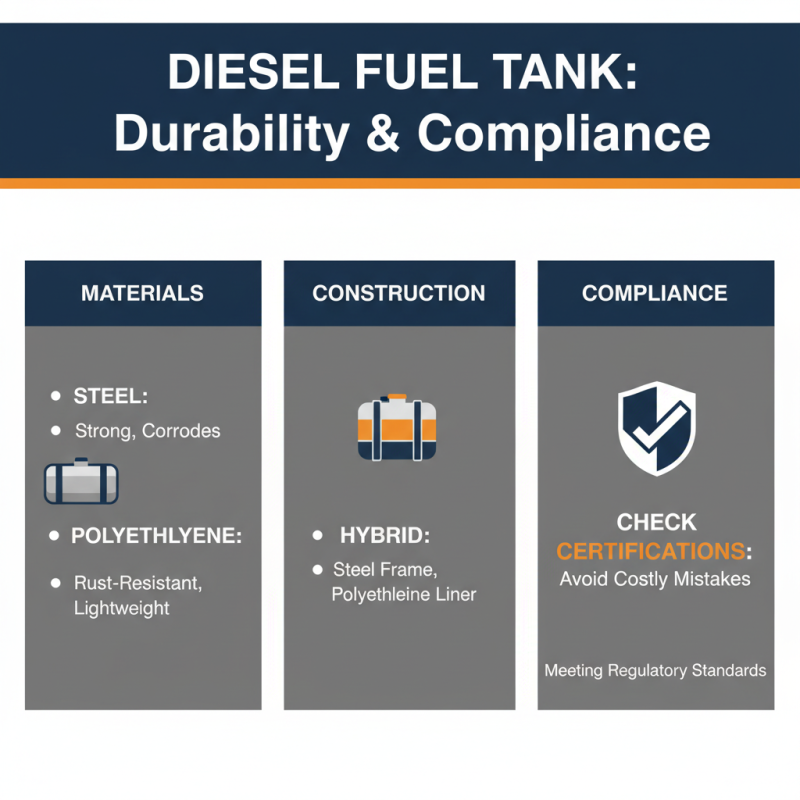
When selecting a diesel fuel tank, understanding material and construction is crucial. Tanks are primarily made from steel, polyethylene, or a combination of both. Steel tanks offer strength but may corrode. Polyethylene tanks resist rust and are lightweight, enhancing portability. Always check if the tank meets relevant compliance standards. Regulatory certifications can help you avoid costly mistakes.
Tip: Consider the environmental factors where the tank will be placed. If the tank is outdoors, choose a material that can withstand UV exposure and temperature fluctuations. A durable design helps in maintaining long-term integrity.
Think about longevity. Some tanks may look sturdy initially but could lack the internal protection needed against diesel's corrosive nature. Inspecting the tank's insulation and protective coatings is advisable. A little extra research can save you hassle down the line.
Tip: Regular maintenance checks are essential. Look for any signs of wear or leaks, even in new tanks. Early detection is vital for ensuring safety and compliance.
Safety Features of Diesel Fuel Tanks: Importance and Regulatory Requirements
When considering the purchase of a diesel fuel tank, safety features should be at the forefront of your decision. These tanks must comply with strict regulatory requirements, which vary by region. Understanding these safety features is crucial for any buyer. Tanks must include measures to prevent leaks and spills, protecting both the environment and public safety.
Additionally, buyers should assess the structural integrity of the tank materials. Tanks made from high-grade steel or durable polymers offer better resistance to corrosion and impact. Ventilation systems are also essential. They help manage pressure build-up, reducing the risk of explosions. Regular safety inspections and maintenance play a vital role too, ensuring that the tank remains safe throughout its lifespan.
Reflecting on personal experiences can help in recognizing gaps in understanding safety features. Consider situations where insufficient safety measures resulted in costly incidents. Learning from these experiences can lead to better-informed decisions. Always prioritize not only the price but also the safety specifications of a diesel fuel tank.
Comparing Aboveground vs. Underground Diesel Fuel Tanks: Pros and Cons
When considering diesel fuel tanks, buyers often face the choice between aboveground and underground options. Aboveground tanks are easier to install and monitor. They allow for visual inspections, which can simplify maintenance. However, they occupy valuable surface space and may be more vulnerable to environmental conditions. Their visibility can also lead to increased theft risks. Buyers should weigh these factors carefully.
Underground tanks, on the other hand, save space and can be less visually intrusive. They protect fuel from temperature fluctuations and potential damage. However, they require more complex installation and maintenance. Issues like corrosion can arise if not properly managed. Leak detection becomes crucial, as problems may go unnoticed until they escalate. Understanding these challenges is vital for informed decision-making.
Each option has its pros and cons, with trade-offs that vary based on individual needs. It’s essential to reflect on your specific circumstances. Do consider the long-term implications of your choice. Each tank type demands careful planning and consideration, ensuring that it meets both operational and safety standards.
Best Diesel Fuel Tank Buying Guide - Comparing Aboveground vs. Underground Diesel Fuel Tanks: Pros and Cons
| Feature |
Aboveground Diesel Fuel Tanks |
Underground Diesel Fuel Tanks |
| Installation Cost |
Lower installation costs |
Higher installation costs due to excavation |
| Maintenance |
Easier access for maintenance |
May require special access for maintenance |
| Environmental Impact |
More visible, easier to monitor leaks |
Less visible, risk of contamination |
| Space Requirements |
Requires aboveground space |
Utilizes underground space |
| Security |
Prone to theft and vandalism |
Less vulnerable to theft |
| Regulatory Compliance |
Less stringent requirements |
More stringent regulations |