Why Are Global Buyers Choosing NAD+ Powder?
Global buyers are paying closer attention to NAD+ Powder as they compare ingredient formats, suppliers, and quality documents. NAD+ is a coenzyme involved in cellular processes, including energy metabolism. That scientific role explains the interest, but it does not prove that a particular powder delivers a specific health outcome. Buyers need evidence, not just persuasive product language.
A powder can be convenient to measure, package, and incorporate into certain formulations. Yet handling depends on the material’s specifications, packaging, storage conditions, and intended use. Details matter. Responsible sourcing means reviewing identity and purity data, batch records, testing methods, and supplier quality controls. Buyers should also confirm that the product and its claims meet the rules that apply in their markets. Those requirements can differ. A certificate alone may not answer every question, so clear methods and traceable documentation are worth examining.
The appeal, then, is practical as much as scientific: a defined ingredient format, supported by credible records and suitable for a buyer’s application. Not always. Powder is not automatically more effective, more stable, or better suited to every formulation than another format. The careful buyer asks how the material was tested, how it should be stored, and what the available evidence actually supports. Some answers may remain incomplete. Acknowledging that uncertainty is part of making a sound purchasing decision.
What NAD+ Powder Is and How It Differs from Other Forms
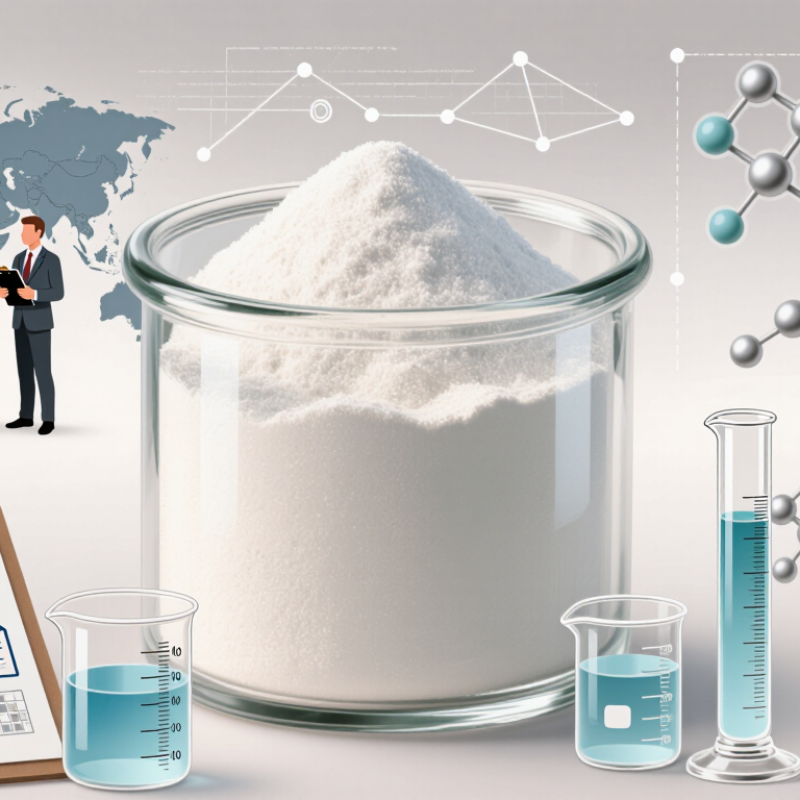
NAD+ powder is a dry ingredient containing nicotinamide adenine dinucleotide, a coenzyme found in human cells. It participates in reactions involved in cellular energy metabolism. A powder describes the product’s physical form, not how the body will use it. Small details matter: moisture exposure, storage conditions, and ingredient quality can affect a powder’s stability.
The comparison with other forms can be confusing. Capsules and tablets are pre-measured formats, while liquids may include additional ingredients. Some products instead contain precursors such as nicotinamide riboside or nicotinamide mononucleotide. These are related compounds, but they are not NAD+ itself. That distinction is easy to blur on a product label. Read the ingredient list carefully.
Powder can offer flexible measuring and may suit people who prefer mixing an ingredient into a drink. But convenience does not prove better absorption or greater effectiveness. Oral NAD+ is subject to digestion, and its uptake and effects in people are still areas of research. Not a settled question. For a careful comparison, check the stated ingredient, serving size, storage guidance, and independent quality testing. I would not assume that a powder is superior simply because it looks more direct.
How NAD+ Supports Cellular Energy and Metabolic Processes
Why Are Global Buyers Choosing NAD+ Powder?
How NAD+ Supports Cellular Energy and Metabolic Processes
Interest in NAD+ powder reflects growing curiosity about the molecule’s role in everyday cell function. NAD+ is a coenzyme found throughout the body. It helps transfer electrons during reactions that release energy from food. In simple terms, it supports the work cells do to keep metabolic processes running. That matters.
NAD+ also participates in processes involved in DNA maintenance and cell signaling. Levels can shift with age, health, and other factors, but supplement research is still developing. Not magic. Evidence that a powder reliably improves energy or metabolism in healthy people remains limited, and products may differ in formulation and quality. A label cannot show how an individual will respond. Anyone considering a supplement should review the evidence and discuss personal risks with a qualified healthcare professional, especially when managing a health condition or taking medication.
Why Are Global Buyers Choosing NAD+ Powder?
How NAD+ Supports Cellular Energy and Metabolic Processes
NAD+ accepts electrons during glucose oxidation and is converted to NADH, which carries them toward ATP production. The chart shows the approximate NADH yield per glucose molecule: 2 from glycolysis, 2 from pyruvate oxidation, and 6 from the citric acid cycle. These are biochemical pathway yields—not evidence that NAD+ powder increases energy or improves metabolism.
What Is Driving Global Demand for NAD+ Powder
What is driving global demand for NAD+ powder? Interest in healthy aging and cellular metabolism has brought NAD+ into more supplement conversations. Powder also suits flexible blending and measured serving sizes. The format can be convenient. Yet convenience alone does not prove a health benefit. Human research on NAD+ supplements is still developing, and changes in a biomarker do not automatically mean noticeable results.
Grand View Research estimated the global NAD+ market at USD 535.2 million in 2023, with a projected 12.4% compound annual growth rate from 2024 to 2030. This estimate covers the broader NAD+ market, not powder alone. It signals commercial interest, rather than clinical proof. That distinction is easy to overlook. Buyers may also value ingredient transparency, reliable sourcing, and formats that fit personalized routines.
Tips: Check the product’s ingredient identity, serving size, and batch-specific certificate of analysis. Look for clear testing details and moisture-protective packaging, since powders need careful storage. Keep expectations measured. A polished label is not evidence.
How Buyers Evaluate Purity, Quality, and Suppliers
Grand View Research estimated the global NAD+ market at USD 535.4 million in 2023, with projected growth through 2030. That is a market estimate, not proof of product quality. The Council for Responsible Nutrition’s 2023 Consumer Survey found that 74% of U.S. adults use supplements, and 55% use them regularly. For buyers, trust starts with evidence, not a growth chart.
A supplier’s certificate of analysis should match the exact lot being purchased. Check identity and assay results, then review testing for heavy metals, microbes, and residual solvents. Ask which analytical methods were used, such as HPLC or LC-MS, and whether an independent laboratory confirmed the results. A neat PDF is not proof. Verify the lab, test date, sample identity, and acceptance limits.
Quality also depends on handling. NAD+ powder should arrive in sealed packaging with clear storage guidance, since moisture and heat can affect stability. Buyers can request stability data, traceability records, and details of manufacturing controls before placing a large order. I would not treat a high assay alone as quality; it says little about contaminants or consistency between batches. Supplier responses matter, too. Vague answers deserve a second look.
What Safety and Regulatory Factors Buyers Consider
Why Are Global Buyers Choosing NAD+ Powder?
What Safety and Regulatory Factors Buyers Consider
For global buyers, choosing NAD+ powder involves more than comparing price or appearance. They typically ask for a lot-specific certificate of analysis showing identity, assay, and relevant contaminant testing. The test method and laboratory details matter; a polished document alone proves little. Details matter. Buyers may also check whether the powder is protected from moisture and heat during shipping, then review storage instructions on arrival.
Regulatory status can differ by destination and intended product category. Buyers should confirm local requirements before importing, manufacturing, or making product claims. Documentation may include ingredient specifications, safety information, traceability records, and labeling details. Claims about treating or preventing disease can trigger additional regulatory concerns, so careful wording is essential. A supplier’s paperwork should match the actual product and its intended market—not simply reuse a generic template.
Experienced purchasing teams often compare documents against a retained sample and ask how deviations are handled. They may also review change-control procedures and request updated testing when a process or source changes. This takes time. And it is easy to overlook. Even careful buyers can mistake a familiar-looking specification for adequate evidence; independent review can help reveal gaps, though it cannot guarantee compliance or product safety.