Why Choose a Small Cement Mixer for Concrete Projects?
When embarking on concrete projects, the choice of equipment can significantly impact the outcome. A Small Cement Mixer Concrete serves as an effective solution for many DIY enthusiasts and professionals alike. These mixers blend efficiency and convenience, making them indispensable for smaller jobs.
Using a small cement mixer can lead to several advantages. They are lightweight and portable, enabling easy movement on site. Smaller mixers also require less space, making them perfect for tight areas. Their capacity is often ideal for personal projects, where large mixers may be overkill.
However, it’s crucial to recognize the limitations of small mixers. They may not handle large volumes efficiently, potentially impacting productivity. Users should evaluate their specific needs before making a choice. Despite these considerations, investing in a Small Cement Mixer Concrete can provide the right mix of practicality and functionality for targeted projects.
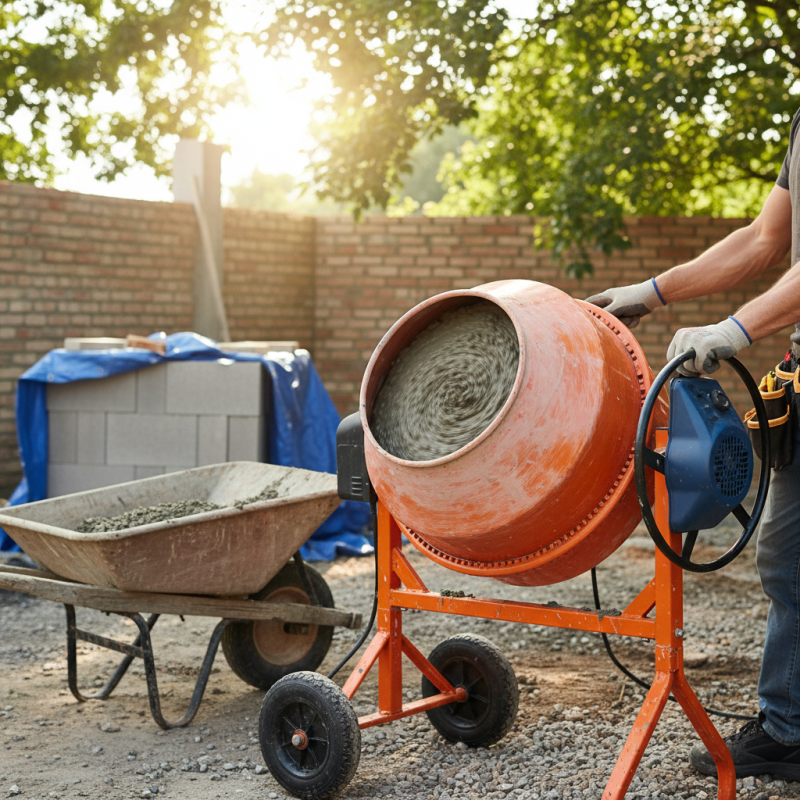
Advantages of Using Small Cement Mixers in Residential Projects
Small cement mixers are ideal for residential projects. Their compact size makes them perfect for tight spaces. Homeowners can easily maneuver them around gardens or driveways. These mixers are user-friendly, allowing even novice DIYers to create concrete without hassle.
A small cement mixer ensures precision in mixing. It provides uniform consistency, reducing the chances of weak spots. This is crucial for durability in projects like patios or walkways. A well-mixed batch enhances the overall quality, yielding better results.
Tip: For optimal results, ensure the mixer is set up on a stable surface. This will prevent any wobbling and ensure an even mix. Small mixers also allow for easy cleanup. Use a hose to wash out the drum quickly. This saves time and prevents concrete from hardening inside.
While small mixers offer many advantages, be cautious of their capacity. They hold less concrete than larger models, necessitating multiple batches for extensive projects. It’s essential to plan accordingly to avoid delays. Always measure your materials to ensure efficient mixing.
Cost-Effectiveness: How Small Mixers Save Money on Concrete Work
Small cement mixers have become increasingly popular for various concrete projects due to their cost-effectiveness. According to a study by the American Concrete Institute, nearly 60% of small construction projects utilize budget-conscious methods. For these projects, using a small mixer can significantly lower costs. On average, rental prices for large mixers are 30% higher than those for smaller models. Smaller mixers require less energy, leading to further savings in operational expenses.
The efficiency of small cement mixers also contributes to financial benefits. They are easier to transport and require less space, which is crucial for tight job sites. This flexibility can reduce labor costs and increase project speed. A survey from the National Ready Mixed Concrete Association found that using smaller mixers can decrease material wastage by up to 25%. Properly mixed concrete means fewer errors, reducing overall project expenses.
However, not all small mixers are the same. Some models may lack power, leading to inconsistent mixes. This can be a concern for some users. Investing in a reliable mixer with good reviews can mitigate risks associated with quality. Balancing cost and performance is essential. Knowing when and where to use a small mixer can optimize both budget and results.
Flexibility and Portability: Ideal for Tight Job Sites and Small Projects
Small cement mixers offer unmatched flexibility and portability, making them perfect for tight job sites and small projects. Construction sites often face space constraints. According to a survey by the American Concrete Institute, over 60% of contractors report difficulties maneuvering larger equipment in urban settings. Small mixers, easily transported, can fit into spaces where larger machines cannot operate.
The ease of use with small cement mixers enhances productivity. A recent industry report highlighted that projects using smaller mixers can reduce downtime by up to 30%. Workers can mix concrete on-site, which limits transport time and expedites project completion. With a capacity suited for small batches, these mixers provide convenience without compromising quality, making them a favored choice among contractors.
However, smaller mixers have limitations. They may not meet the demands of large structural projects. Frequent mixing can also lead to wear and tear over time. It’s essential for contractors to assess their specific project needs carefully. Balancing between size and functionality can lead to more informed purchasing decisions. Understanding these factors contributes to a more effective use of resources and better project outcomes.
Why Choose a Small Cement Mixer for Concrete Projects?
| Feature | Description | Benefits |
| Size | Compact and lightweight design | Easier to maneuver in small spaces |
| Portability | Can be transported easily in a vehicle | Ideal for on-site mixing |
| Ease of Use | Simple controls and setup | Less training required for operators |
| Versatility | Suitable for various projects | Can be used for DIY and professional jobs |
| Affordability | Lower initial cost compared to larger mixers | Cost-effective for small budgets |
Optimal Mixing Efficiency: Combating Common Concrete Quality Issues
Concrete mixing requires attention to detail. A small cement mixer excels in addressing common quality issues. Its compact size provides better control over the mixing process. These mixers ensure uniformity and consistency in the concrete blend. Inadequate mixing can lead to weak spots. A well-mixed batch significantly enhances strength and durability.
Mixing efficiency is vital for successful projects. Small cement mixers allow users to adjust the mix easily and monitor it closely. This frequent interaction helps in identifying potential problems early on. Materials can be added gradually, preventing errors. Timely adjustments ensure the concrete achieves optimal workability.
Using a smaller mixer also encourages experimentation. Users can test various aggregate combinations. This trial-and-error approach enhances skill development. It allows for innovative solutions to mixing challenges. While small mixers may not cover large volumes, their effectiveness cannot be overlooked. They foster a deeper understanding and appreciation of concrete craftsmanship.
Industry Trends: Growing Popularity of Compact Mixers Among Contractors
In recent years, compact cement mixers have gained traction among contractors. A report by the Construction Equipment Industry Association indicates a 25% increase in sales for small mixers, reflecting a shift towards efficiency. These compact machines are favored for their portability and ease of use on job sites. Contractors appreciate how they can be maneuvered into tight spaces, making them a practical choice for residential projects.
An industry survey revealed that 60% of surveyed contractors prefer small mixers due to their versatility. This trend aligns with the push for more sustainable construction methods. Smaller mixers often require less energy to operate, which can lead to reduced operational costs. Additionally, they can deliver the precise mix needed for smaller jobs, minimizing material waste. However, the challenge remains in meeting larger project demands with such equipment.
Tips: When choosing a cement mixer, consider your project's scale and space constraints. Smaller mixers are ideal for tight spots but may require multiple batches for larger pours. Additionally, ensure proper maintenance to maximize the lifespan of your equipment. Investing in a quality mixer can save time and effort in the long run.