Top Reasons to Choose Carbon Steel Pipe for Your Projects?
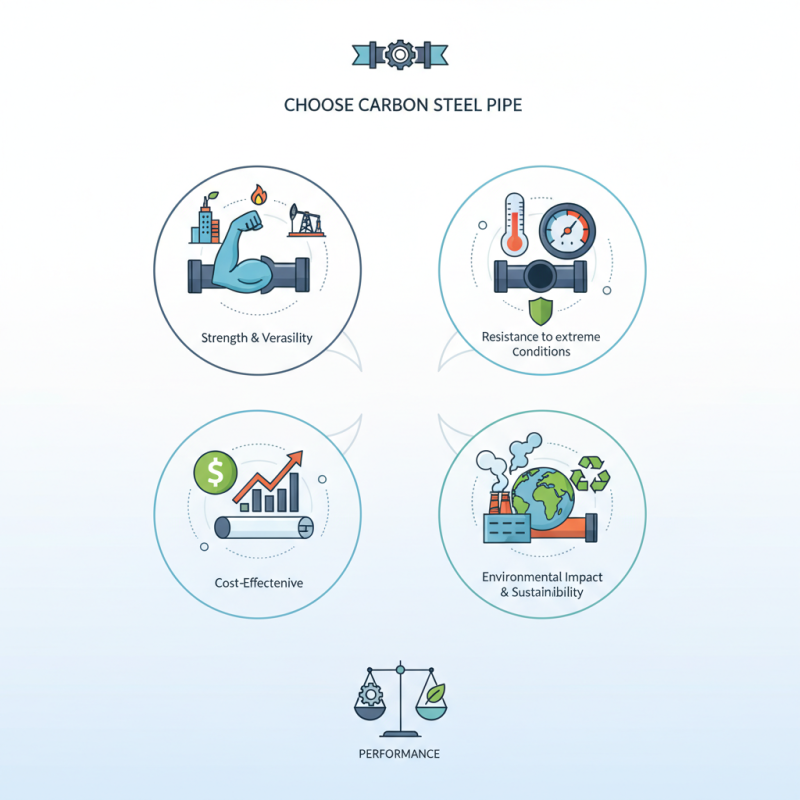
Choosing the right materials is crucial for any project. When it comes to piping, Carbon Steel Pipe stands out for several important reasons. This material combines strength with versatility, making it ideal for various applications. Whether you're working on construction, oil, or gas projects, Carbon Steel Pipe offers excellent performance.
Many engineers and project managers prefer Carbon Steel Pipe because of its durability. It can withstand high pressure and extreme temperatures. Additionally, this type of pipe is cost-effective, which is essential in competitive industries. It helps keep project budgets in check while ensuring quality.
However, it's important to consider the environmental impact of using Carbon Steel Pipe. Producing steel requires substantial energy and resources. While the benefits are clear, reflecting on sustainability practices is vital. Balancing performance and environmental responsibility is a challenge but worth addressing.
Benefits of Carbon Steel Pipe in Industrial Applications
Carbon steel pipes are increasingly popular in industrial applications. They offer remarkable strength and durability. This material can withstand high temperatures and pressures, making it ideal for various uses. Their ability to handle extreme conditions makes them a reliable choice for many projects.
In addition to strength, carbon steel pipes are cost-effective. They are often more affordable than other materials, which helps manage project budgets. The pipes are also readily available, reducing procurement time. However, they do require proper maintenance to prevent corrosion. This maintenance aspect should not be overlooked, as neglect can lead to failures.
Another significant benefit is the ease of fabrication. Carbon steel is easy to weld, cut, and shape. This versatility allows for customized designs in projects. Nonetheless, attention must be paid to welding techniques. Incorrect methods can weaken the joints, leading to potential issues.
Cost-Effectiveness of Carbon Steel Pipes Compared to Alternatives
Choosing carbon steel pipes for various projects can be a smart decision, especially when focusing on cost-effectiveness. According to industry reports, carbon steel pipes typically offer a 15-20% lower cost compared to materials like stainless steel and copper. This significant price difference can lead to substantial savings on large-scale projects where budgeting is crucial.
In addition, carbon steel displays excellent durability. It can withstand high pressure and temperature, making it suitable for various applications, from construction to manufacturing. A cost analysis from a 2022 study indicates that using carbon steel over alternatives can result in a reduction of overall project expenses by up to 30%. However, it's important to note that carbon steel may require more frequent maintenance due to corrosion, which can negate some savings over time.
Tip: Always consider the long-term maintenance costs when choosing materials. Choose coatings or treatments that reduce corrosion risk. Additionally, assess the project scope and potential environmental factors that may influence the lifespan of your chosen materials. Making informed decisions can ensure that initial savings do not lead to costly future repairs.
Durability and Strength: The Advantages of Carbon Steel Pipe
When considering materials for construction, carbon steel pipe stands out. Its durability and strength make it a prime choice for various projects. Carbon steel possesses high tensile strength, allowing it to endure extreme pressure and stress. This is why it's often used in heavy-duty applications. For instance, many industrial pipelines rely on carbon steel to transport fluids safely.
Moreover, carbon steel pipes resist corrosion better than many alternatives under certain conditions. They can withstand harsh environments, making them suitable for outdoor applications. This dependability protects project investments over time. However, it’s essential to apply protective coatings or treatments to enhance longevity. The initial cost of carbon steel may be higher than other materials, yet its long-term performance often outweighs this concern.
On the flip side, not every project fits carbon steel pipes perfectly. Some applications have unique specifications that may not align with carbon steel’s strengths. Engineers sometimes need to consider factors like weight and flexibility. It’s crucial to assess the specific requirements of each project before making a final decision. Exploring these considerations helps to ensure the right choice for optimal results.
Top Reasons to Choose Carbon Steel Pipe for Your Projects
| Dimension | Property | Benefits |
| Diameter | Varies from 1/8" to 48" | Wide range suitable for various applications |
| Strength | High tensile strength | Can withstand high pressure and heavy loads |
| Durability | Corrosion resistance with appropriate treatment | Long lifespan in various environments |
| Cost | Economically favorable | Lower material costs for large projects |
| Weldability | Excellent welding properties | Facilitates easy assembly on-site |
Versatility of Carbon Steel Pipe in Different Industries
Carbon steel pipe proves its versatility across numerous industries. According to the American Institute of Steel Construction (AISC), carbon steel accounts for about 95% of all steel production globally. This high usage underscores its adaptability. It serves vital roles in oil and gas, construction, and manufacturing sectors.
In the oil and gas industry, carbon steel pipes are crucial for transportation. They withstand high pressure and harsh conditions. A report from the International Energy Agency (IEA) noted that oil transport through pipelines is expected to grow by 20% by 2025. This growth reflects the continued reliance on robust materials like carbon steel.
In construction, carbon steel's strength-to-weight ratio is key. It allows for designing lighter structures that can bear significant loads. The American Institute of Architects states that carbon steel is often favored for structural applications. Its low cost, availability, and ease of fabrication make it an industry standard. However, its susceptibility to rust and corrosion calls for regular maintenance and protective coatings, which must be factored into project planning. These challenges remind engineers and architects of the importance of balancing cost with long-term durability.
Corrosion Resistance and Maintenance of Carbon Steel Pipes
When considering carbon steel pipes, their corrosion resistance is often overlooked. While these pipes are known for strength, they require proper maintenance. Without appropriate care, rust can develop, leading to costly repairs. Inspection is crucial. Regularly check for signs of corrosion. A small issue can escalate quickly if neglected.
Maintaining carbon steel pipes involves applying protective coatings. These coatings act as barriers against moisture and aggressive chemicals. Some industrial environments may need more frequent checks. Even with protective measures, some corrosion may occur over time. Addressing this sooner can prevent major failures.
Understanding the environment where your pipes will be used is key. Factors like humidity, temperature, and chemical exposure impact corrosion rates. For example, pipes in coastal areas might corrode faster than those in drier regions. Always evaluate the risks associated with your specific projects. This approach ensures longevity and reliability of your pipelines.