
Top 10 Hydraulic Proportional Valve Features You Should Know?

The Hydraulic Proportional Valve is a crucial component in modern hydraulic systems. According to a report by ResearchAndMarkets, the hydraulic components market is expected to reach $51 billion by 2025, highlighting the growing importance of efficient control systems. These valves play a significant role in achieving precise control over fluid flow and pressure, which is essential for various applications.

Understanding the features of Hydraulic Proportional Valves is essential for engineers and designers. These valves not only enhance performance but also improve energy efficiency. For instance, they can reduce energy consumption by up to 30% in specific applications. However, it is vital to recognize that not all valves are created equal. Some may lack features that are fundamental for achieving optimal results.

Investing in the right Hydraulic Proportional Valve can lead to significant improvements in system performance. Nonetheless, users must be aware of potential challenges. Factors like installation difficulties and maintenance requirements often come up. It's essential to carefully evaluate the available options to avoid common pitfalls during implementation.
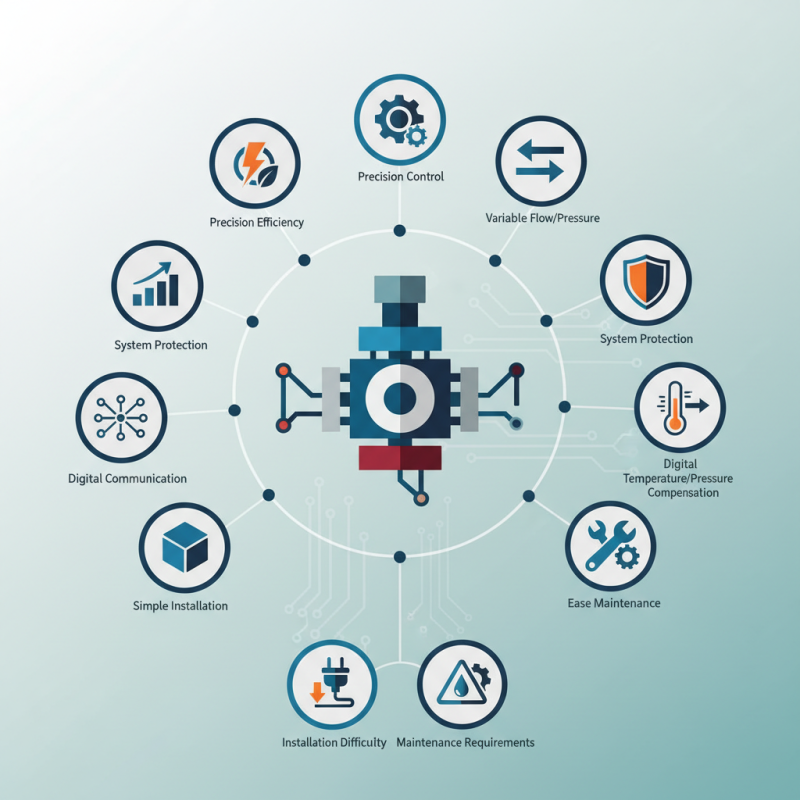
Top 10 Hydraulic Proportional Valve Features You Should Know?

Key Functions of Hydraulic Proportional Valves in Automation

Hydraulic proportional valves play a crucial role in automation. They control fluid flow based on input signals. This allows for precise control of machinery. By adjusting flow rate, these valves enable smooth operation of hydraulic systems. This is essential in various industries.

The key function of hydraulic proportional valves is to manage pressure and flow effectively. They provide accurate feedback and adjustments in real-time. This reaction time is vital for maintaining efficiency. One downside is sensitivity to external conditions. Changes in temperature or pressure can affect performance. Operators must frequently monitor these factors.

Another important feature is their ability to minimize energy consumption. By regulating flow, these valves conserve energy, leading to cost savings. However, tuning these valves can be complex. Imperfect settings may lead to erratic behavior. Regular calibration is necessary to ensure optimal performance. Understanding these functions can greatly enhance automation outcomes.


Understanding the Control Mechanisms in Proportional Valves

Proportional valves play a crucial role in hydraulic systems. They control the flow and pressure of fluids with precision. Understanding their control mechanisms is essential for effective operation. Proportional valves can vary flow rates according to input signals. This allows for smoother and more responsive control of machinery.

Data from recent industry reports indicates that proportional valves increase efficiency by up to 30%. They help reduce energy consumption in hydraulic systems. This is particularly important as industries move towards more sustainable practices. Moreover, many users do not fully utilize their features. For instance, optimizing valve settings can lead to better performance. Many operators overlook this.

Tip: Regular maintenance of proportional valves ensures reliable performance. Check for leaks and blockages frequently. Another important factor is the selection of correct signal inputs. The wrong settings can hinder output effectiveness.

Another aspect to consider is the response time. Different valves respond at varying speeds. This can be critical in applications requiring immediate action. Don't assume all valves will perform the same under pressure. Adjustments may be necessary to fine-tune performance.

Tip: Experiment with different settings to find optimal operation. Sometimes, less is more. It’s important to balance control precision with system demand.

Top 10 Hydraulic Proportional Valve Features You Should Know

Feature Description Importance
Proportional Control Ability to control flow and pressure proportionally to input signal. Ensures precise control for varying load conditions.
High Response Time Quick reaction to changes in input signals. Improves system responsiveness and efficiency.
Temperature Sensitivity Operates effectively across a broad temperature range. Essential for reliability in various environments.
Integrated Electronics Built-in electronics for improved control and diagnostics. Enhances performance and simplifies integration.
Fail-Safe Design Design that ensures safe operation in the event of failure. Critical for safety in hydraulic systems.
Low Hysteresis Minimized difference between the actual position and desired set point. Improves accuracy of control systems.
Compact Design Space-saving design for easier installation. Ideal for applications with limited space.
Multiple Control Options Supports various control methods (e.g., analog, digital). Provides flexibility for different applications.
Durability Constructed to withstand harsh working environments. Lifespan extension, reducing maintenance costs.
Customizability Options for customization to meet specific operational needs. Enhances performance by tailoring to precise applications.

Benefits of Adjustable Flow Rates in Hydraulic Systems

Adjustable flow rates in hydraulic systems are crucial for efficient operations. These systems benefit from the ability to control flow precisely. According to industry reports, hydraulic systems can improve efficiency by up to 30% with better flow management. This optimization often leads to reduced energy consumption and extended system life.

A key feature of proportional valves is their ability to adjust flow rates seamlessly. By modulating pressure and flow, operators can achieve desired outcomes. Some reports indicate that systems using proportional valves can respond 25% faster compared to fixed systems. The flexibility offered reduces wear and tear on other components, reflecting a need for thoughtful integration of technology.

However, not all systems benefit equally. Poorly designed implementations may lead to inefficiencies. Regular maintenance and tuning are necessary to ensure that these adjustable features serve their purpose effectively. In some cases, users may overlook the importance of proper calibration, leading to suboptimal performance in fast-paced environments. The balance between advanced features and practical application is a fine line.

Common Applications of Hydraulic Proportional Valves in Industry

Hydraulic proportional valves play a critical role across various industries. In manufacturing, they precisely control fluid flow, enhancing machine operations. According to a report from Industry Research, the global hydraulic valve market was valued at approximately $4 billion in 2021, with a significant share attributed to proportional valves.

In construction, these valves help in the operation of heavy machinery. They enable smooth and controlled movements, vital for tasks like lifting and digging. Over 60% of industry professionals cite reliability and efficiency as primary benefits of using hydraulic proportional valves. However, not all systems are perfectly aligned. Some users report calibration issues that can lead to inconsistent performance.

Another notable application is in the automotive sector. Proportional valves regulate the hydraulic systems in vehicles, improving braking and steering functions. A recent study indicated that improper setup could cause safety concerns. Industry standards highlight the importance of regular maintenance to prevent failures. Emphasizing the necessity for precise engineering, it's clear that while hydraulic proportional valves offer many advantages, challenges persist in their optimization and integration into complex systems.

Factors Influencing the Selection of Hydraulic Proportional Valves

When choosing hydraulic proportional valves, several key factors come into play. Flow rate is crucial. Typically, valves range from 1 to 200 liters per minute. Inaccurate flow selection can lead to inefficient operations. Users should assess their system's demand carefully. This ensures proper valve performance and longevity.

Another factor is pressure ratings. Hydraulic systems operate under varying pressures. Common ratings are between 1000 to 5000 psi. A mismatch can cause valve failure. It's essential to understand the application's needs. This avoids costly repairs or replacement.

Control response time also matters. Proportional valves often have response times around 50 to 200 milliseconds. Slow response can lead to lag in operations. This affects overall productivity. Operators should test valves in real-world scenarios to gauge performance. Data shows that effective selection can improve efficiency by up to 30%. However, operators often overlook these details, resulting in suboptimal performance. This oversight can be costly in the long run.