Top 10 Diesel Tanks with Pump Features You Must Know?
The diesel tank with pump industry has witnessed significant growth. According to a recent market report, the demand for these tanks is projected to reach $4 billion by 2025. This surge is driven by increased fuel storage needs in agriculture, construction, and transportation sectors. However, improper use remains a critical concern.
Expert James Harrison, a reputed analyst in fuel storage solutions, states, "Investing in a high-quality diesel tank with pump can save operators time and money, but safety must never be overlooked." His insight highlights the need for awareness around safety standards and maintenance practices. Many users overlook these factors, leading to significant risks.
Quality matters. The variety of diesel tanks with pumps available can be overwhelming. Features like automatic shut-off valves and built-in filters are essential. Yet, many may prioritize cost over quality. This mindset can lead to costly mistakes in the long run. Understanding these key features is crucial for making informed choices.
The Importance of Diesel Tanks in Fuel Storage and Transfer Systems
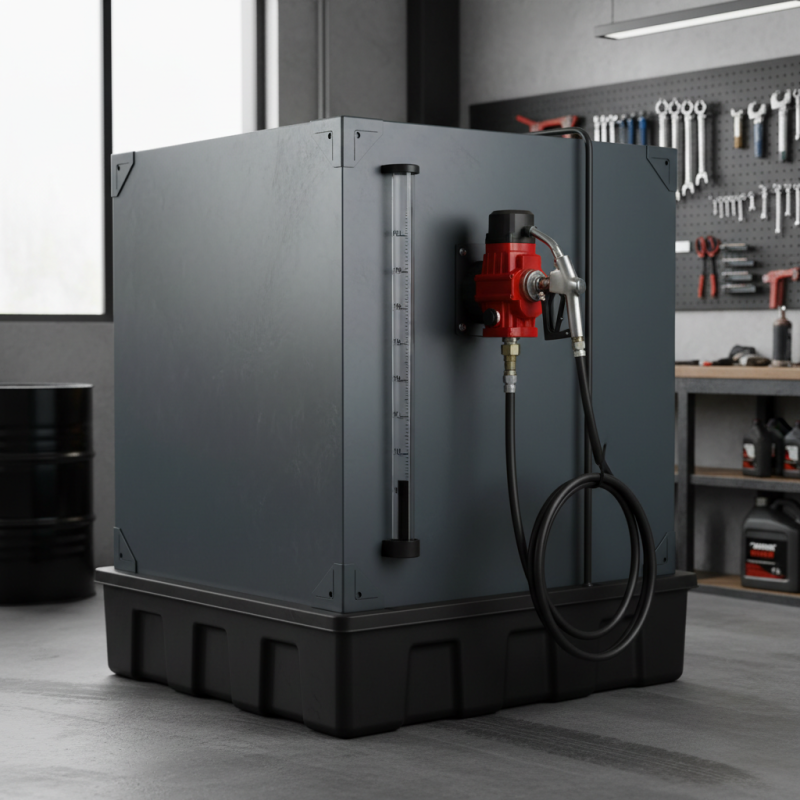
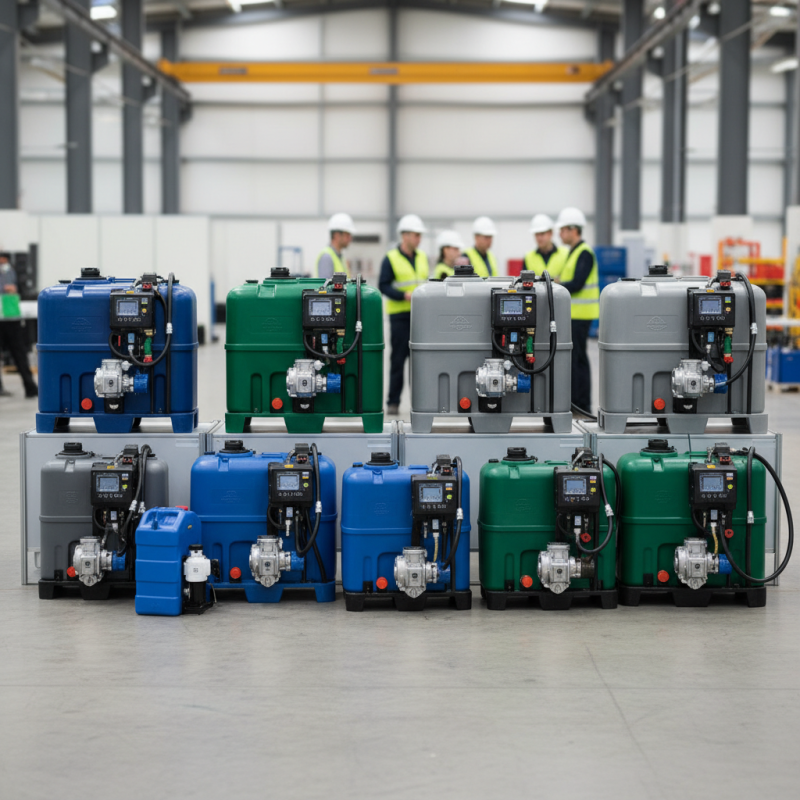
Diesel tanks play a crucial role in fuel storage and transfer. They ensure that fuel remains secure, minimizing spills and contamination. Proper tanks enhance efficiency in operations that depend on diesel fuel. Without reliable storage solutions, downtime can occur, leading to losses. This is why understanding diesel tanks is so important.
When choosing a diesel tank, consider its capacity and construction. Look for durable materials that can withstand environmental factors. Proper installation is essential, too. A poorly installed tank can lead to leaks, risking safety and finances. Inspect tanks regularly for any signs of wear and tear.
**Tip:** Always position the tank on a stable surface. This reduces the risk of tipping and ensures safety.
Another factor to consider is the pump feature. An effective pump aids in smooth transfer to machinery or vehicles. Check pump specifications to match your requirements. It's important to have the right flow rate to avoid delays.
**Tip:** Regularly maintain the pump to ensure it operates efficiently. A neglected pump can lead to costly repairs.
Fuel management systems are beneficial as well. These systems monitor fuel levels and track usage. It helps in planning refueling and can prevent overflows.
Top 10 Diesel Tanks with Pump Features
This chart presents the capacity of various diesel tanks equipped with pump features. It highlights the essential role these tanks play in effective fuel storage and transfer operations.
Top 10 Diesel Tank Models: Efficiency, Capacity, and Safety Ratings
When choosing a diesel tank, efficiency, capacity, and safety ratings are crucial factors. A study from the American Petroleum Institute highlights that the safe storage of diesel fuel reduces risks significantly. Tanks with high safety ratings ensure compliance with environmental regulations. They minimize spills and leaks, which can result in hefty fines.
Capacity varies widely among tanks. Smaller models may hold 100 gallons, while larger ones can exceed 1,000 gallons. Assess your needs carefully. A tank that is too small may lead to frequent refills, while an oversized tank can be a waste of space and money.
Tip: Regular maintenance is key. Check for leaks or corrosion every month. This can prevent unexpected issues down the line.
Efficiency is also impacted by the pump system. Tanks with advanced pumps feature faster fuel dispensing. This not only saves time but also minimizes downtime for operations. However, not all pumps are created equal. Some may require more energy to operate, affecting efficiency rates.
Tip: Invest in models with energy-efficient pumps. They save on operating costs and reduce your carbon footprint.
Comparing Diesel Pump Technologies: Electrical vs. Manual Options
When considering diesel pump technologies, two main options stand out: electrical and manual pumps. Each has its own benefits and drawbacks. Electric pumps are convenient, offering quick fuel transfer. They work efficiently, especially in low-light conditions. However, they require a power source. In remote locations, this can be a challenge. If the power goes out, the pump becomes useless.
On the other hand, manual pumps do not need electricity. They operate solely through physical effort. This makes them reliable during power outages. However, the trade-off is that they require more time and energy to use. Lifting and pushing a manual pump might feel tiresome after extended use. It's essential to assess your specific needs before selecting a pump type.
Consider your usage scenario. If frequent fueling is necessary in a fixed location, an electric pump may be ideal. But, if portability is your goal, a manual option could be more practical. Each choice offers unique advantages but also presents challenges. Reflect on these aspects to determine the most suitable pump for your diesel tank.
Top 10 Diesel Tanks with Pump Features You Must Know
| Diesel Tank Model |
Capacity (Gallons) |
Pump Type |
Flow Rate (GPM) |
Power Source |
Price Range |
| Model A |
100 |
Electrical |
15 |
220V |
$1500 - $1800 |
| Model B |
200 |
Manual |
10 |
N/A |
$800 - $1200 |
| Model C |
150 |
Electrical |
20 |
12V |
$1300 - $1600 |
| Model D |
250 |
Electrical |
22 |
240V |
$1750 - $2100 |
| Model E |
300 |
Manual |
8 |
N/A |
$1000 - $1400 |
| Model F |
120 |
Electrical |
18 |
12V |
$1200 - $1500 |
| Model G |
90 |
Manual |
5 |
N/A |
$600 - $900 |
| Model H |
180 |
Electrical |
12 |
240V |
$1600 - $1900 |
| Model I |
110 |
Manual |
6 |
N/A |
$700 - $950 |
| Model J |
160 |
Electrical |
25 |
110V |
$1400 - $1750 |
Regulatory Standards and Compliance for Diesel Storage Tanks and Pumps
When dealing with diesel storage tanks and pumps, regulatory standards play a crucial role. These regulations ensure safety and environmental protection. It’s essential to understand that compliance is not just about meeting minimum requirements. Continuous improvement is key to effective management of diesel storage systems.
Compliance involves regular inspections and maintenance. Overlooking these aspects can lead to serious consequences, such as leaks or spills. Therefore, operators must stay updated on local and national regulations. It’s not enough to have equipment that meets standards; knowledge and training are equally vital. Documentation and reporting should be accurate and timely.
Moreover, technology is constantly changing. This evolution necessitates a proactive approach to compliance. What was acceptable a few years ago might not suffice today. Engaging with local environmental agencies can provide valuable insights. Regular training sessions can improve staff awareness of compliance requirements. It’s not just a box-ticking exercise, but a necessary commitment to safety and sustainability.