Top 10 Chemical Dosing Pump Questions Answered
In the world of fluid management, the chemical dosing pump plays a vital role. These pumps ensure precise delivery of chemicals in various applications. For industries like water treatment and pharmaceuticals, accurate dosing is crucial.
However, many users have questions about these pumps. Common inquiries include installation, maintenance, and operational efficiency. Addressing these concerns helps users optimize their systems. Yet, it's easy to overlook the importance of proper setup and adjustments.
Understanding how a chemical dosing pump works can alleviate confusion. Many users find technical details daunting, leading to mistakes. Awareness of common pitfalls can enhance performance. This guide tackles the top ten questions users pose about chemical dosing pumps, providing clarity and insight to improve your experience.
What is a Chemical Dosing Pump and How Does It Work?
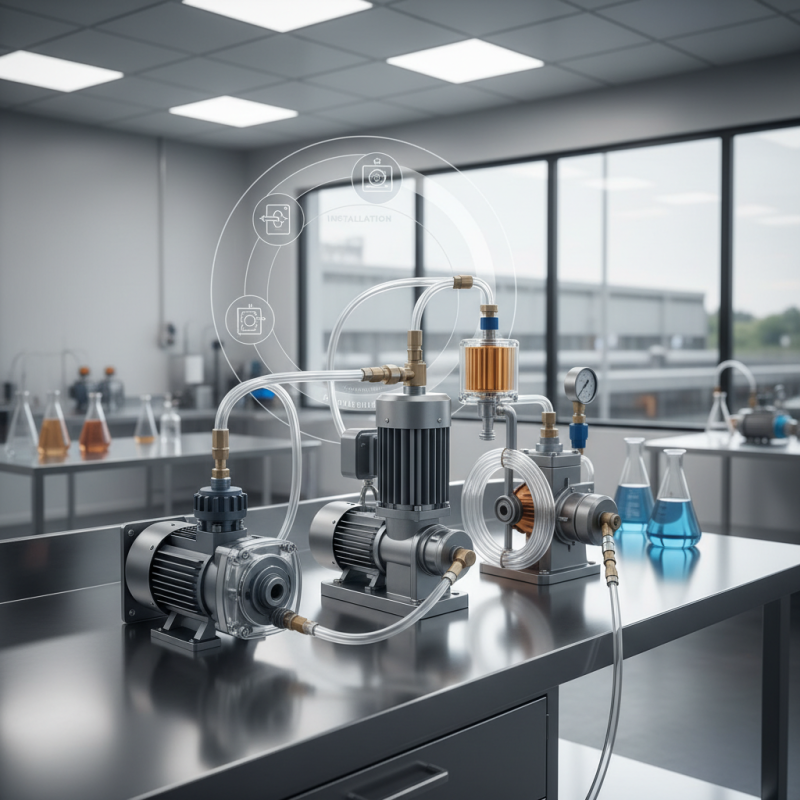
A chemical dosing pump is essential in various industries. It precisely injects chemicals into systems for treatment and processing. These pumps ensure accurate and consistent dosing, which is crucial for maintaining product quality and safety.
The global chemical dosing pump market was valued at $4.0 billion in 2020 and is expected to reach $5.0 billion by 2027. This growth indicates the increasing demand in sectors like water treatment and pharmaceuticals. The pumps operate based on different mechanisms, including diaphragm, peristaltic, and gear types. Each type has its advantages and limitations, which can affect performance based on the application.
Efficiency is key. Yet, not all installations achieve optimal results. Many facilities may overlook routine maintenance, leading to failures or inaccuracies. In some cases, operators might miscalculate chemical concentrations, causing environmental and operational issues. Understanding how chemical dosing pumps work can help improve reliability and effectiveness, avoiding potential challenges in chemical management.
Key Applications and Industries Utilizing Chemical Dosing Pumps
Chemical dosing pumps play a crucial role in various industries. They ensure precise chemical delivery in processes like water treatment, pharmaceuticals, and agriculture. In water treatment, for instance, these pumps add chlorine and other chemicals to purify water. This helps maintain safe drinking water standards essential for public health.
In agriculture, chemical dosing pumps are used for fertilizers and pesticides. These pumps deliver accurate volumes, minimizing waste and maximizing efficiency. This precision is vital since over-application can harm crops and the environment. But, improper usage can lead to unintended consequences. Regular training on proper practices is essential for operators.
Tips: Always monitor your pump’s performance. This can prevent costly downtime. Regular maintenance checks can identify issues early. Also, ensure that your dosing pump is suitable for your specific application. Choosing the wrong pump can lead to inefficiencies. Consider both flow rates and chemical compatibility to optimize performance.
Factors to Consider When Selecting a Chemical Dosing Pump
Selecting the right chemical dosing pump involves multiple factors. The fluid's viscosity is crucial. Thick liquids need pumps designed for higher pressure. Pump type can also vary based on the application, whether it’s for water treatment or chemical processing.
Another key aspect is the flow rate. It's essential to match the pump's capacity with the demands of your operation. Too much flow can lead to overflow, while too little can cause under-dosing. Consider the environment where the pump will operate. Temperature and potential corrosive materials play a role in pump durability.
Cost is always a concern as well. Investing in a reliable pump may seem expensive at first. However, cheaper pumps can fail faster, leading to hidden costs in maintenance and downtime. It's wise to evaluate all these elements carefully. Making the right choice can sometimes be more complex than it seems.
Common Maintenance Tips for Chemical Dosing Pumps
Maintaining chemical dosing pumps is crucial for ensuring their longevity and efficiency. Regular inspection is vital. Check for any leaks or unusual noises during operation. These signs can indicate underlying issues that need attention. Make it a habit to routinely clean the pump components. This helps prevent buildup that can affect performance.
Calibration is another important aspect. It should be done periodically to ensure accurate dosing. Neglecting this can lead to over- or under-dosing, which can impact the entire system. Also, be mindful of the pump's environment. Extreme temperatures or high humidity can affect its performance. Remember, prevention is key. Regular maintenance can save costs in the long run.
Don’t overlook the importance of documentation. Keep a log of maintenance activities. This helps track the pump's performance over time. Review it regularly to identify patterns. If something seems off, don’t hesitate to investigate further. Continuous improvement in maintenance practices is essential. It may feel tedious, but it pays off.
Troubleshooting Frequent Issues with Chemical Dosing Pumps
Chemical dosing pumps play a crucial role in many industrial processes. Unfortunately, they often encounter issues that can disrupt operations. Common problems include inaccurate dosing, leaks, and pump wear. According to industry reports, up to 30% of chemical dosing systems fail to meet accuracy standards. This can lead to serious consequences, including product quality issues and increased operational costs.
It is vital to regularly inspect the pump for wear and signs of damage. Check hoses and seals for leaks. Regular maintenance can drastically reduce the frequency of issues. Consider recalibrating the pump every few months, especially if operating under changing conditions.
Tips: Always keep a log of maintenance activities. This helps in identifying patterns of wear over time. If you notice frequent fluctuations in dosing, investigate immediately. Delaying could lead to bigger problems and unexpected costs. Adjusting settings without understanding the underlying issues usually makes things worse. Make sure to engage with your team for insights on ongoing performance issues.
Top 10 Chemical Dosing Pump Issues and Their Frequency