What is PET Release Film and How to Choose the Best Option?
PET Release Film is a critical component in various industries. Its primary function is to facilitate the easy release of adhesive surfaces, making it vital in manufacturing and packaging. Many businesses rely on this film for high-performance applications. However, choosing the right PET Release Film can be overwhelming, given the multitude of options available.
Understanding the specific requirements of your project is essential. Factors such as thickness, release properties, and temperature resistance should guide your decision. Each product offers unique advantages and potential drawbacks. Some films may excel in certain applications but fail in others. Thus, it’s crucial to evaluate your needs carefully.
While PET Release Film appears straightforward, the selection process encompasses various complexities. It's not merely about finding the cheapest option. Attention should also be paid to the film's durability and reliability. Ultimately, informed decisions can lead to improved efficiency and results.
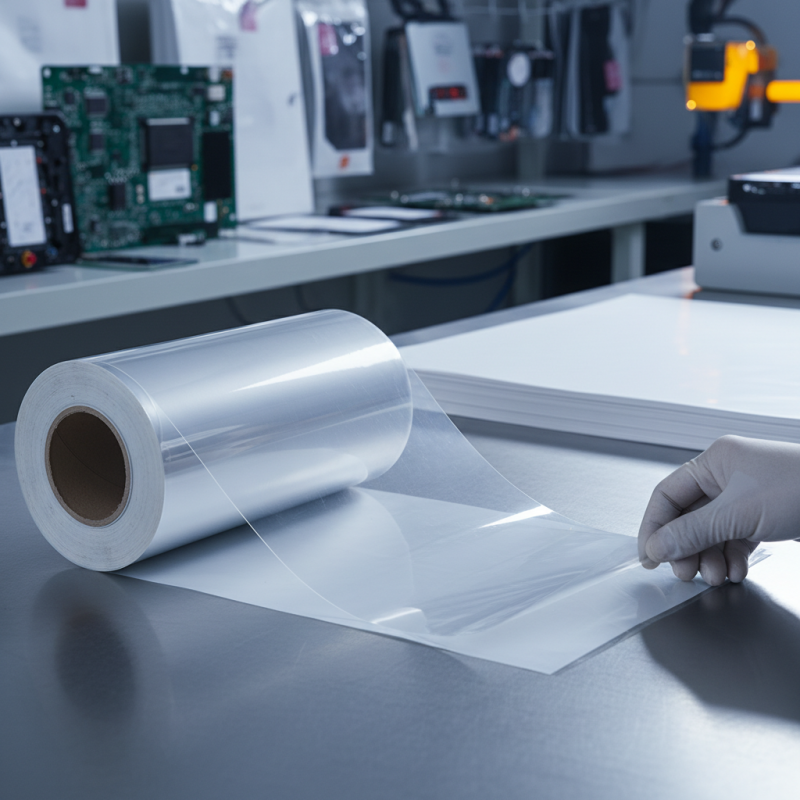
What is PET Release Film and Its Applications in Various Industries
PET release film is a versatile material used across various industries. Its smooth surface ensures easy peeling, making it ideal for applications such as adhesive laminates, graphic arts, and electronics. The global PET release film market is expected to grow significantly, with analysts predicting a CAGR of over 5% from 2022 to 2028. This increase signifies the rising demand in packaging and automotive applications, where precision and quality are crucial.
In the automotive sector, PET release films are essential for the production of composite materials. They provide a barrier against moisture and enhance durability. In electronics, these films safeguard sensitive components during manufacturing processes. The flexibility and thermal stability of PET films make them suitable for a wide range of temperatures, which is vital in the fast-paced electronics industry.
Despite its numerous benefits, the choice of PET release film must be approached carefully. Not all films are created equal. Factors like film thickness, release level, and surface treatment significantly influence performance in specific applications. Understanding these variables is critical for optimizing efficiency. Industry reports emphasize that using the wrong type could lead to production delays or increased costs. Investing time in selecting the right film can yield long-term benefits for manufacturers.
Key Characteristics of PET Release Film: Understanding Material Properties
PET release film is increasingly used in various industries, including packaging and manufacturing. Understanding its key characteristics is crucial for optimal application. One of the most notable properties of PET (Polyethylene Terephthalate) film is its excellent chemical resistance. According to a recent industry report by Smithers Pira, PET films can withstand a wide array of solvents and chemicals, making them ideal for diverse applications.
Another significant characteristic of PET release film is its temperature stability. Reports indicate that PET retains its strength in high-temperature environments, essential for processes like heat sealing. Manufacturers often overlook the need for thorough testing in high-stress conditions. Misjudging the thermal properties can lead to product failure. Furthermore, the film's smooth surface ensures easy release of adhesives and coatings, reducing the chance of material waste.
Quality varies among suppliers, emphasizing the importance of choosing a reliable partner. Subpar films may affect adhesion properties or lead to inconsistent release qualities. Additionally, factors such as coating thickness and surface energy can impact performance. Ultimately, understanding these material properties will assist in selecting the best PET release film for specific needs.
PET Release Film Characteristics Comparison
This chart illustrates the key characteristics of PET release film, highlighting properties such as tensile strength, elongation at break, thickness, and tear resistance. Understanding these properties is crucial for selecting the appropriate PET release film for different applications.
Factors to Consider When Choosing PET Release Film for Your Project
When selecting PET release film for your project, several factors must be considered. The thickness of the film plays a crucial role in its performance. Thicker films often provide better release properties and durability, while thinner films may offer more flexibility. For instance, a report by the International Journal of Advanced Manufacturing Technology highlighted that films with a thickness of 50 microns typically yield optimal results in various applications.
Another critical factor is the type of release surface. Different coatings can impact how easily the film releases from substrates. Silicone coatings, for example, are renowned for their low-tack properties, making them a popular choice across industries. Understanding the substrate material you’ll use can help you choose the suitable release surface. Make sure to test various combinations to find the perfect balance for your specific application.
Tips: Evaluate your project’s needs carefully. Consider running pilot tests with multiple film types. This approach can reveal the best-performing options without committing to large-scale production. Keep in mind that what works for one application may not suit another. Do not overlook the importance of environmental factors, such as temperature and humidity, as they can significantly affect performance. Balancing these elements will ultimately lead to more successful outcomes in your projects.
Industry Standards and Certifications for Quality PET Release Film Selection
When selecting PET release film, industry standards and certifications are crucial. They ensure that the product meets specific quality benchmarks. One common certification is ISO 9001. This standard indicates a commitment to quality management. It demonstrates that a manufacturer follows effective processes to ensure consistent production quality.
Another important factor is the ASTM standards. These define the essential characteristics of release films, such as peel strength and clarity. Films that meet these standards are tested rigorously. Manufacturers often provide test results to validate their claims. However, not every product is tested for every application. This leaves room for uncertainty.
Understanding the certifications can be overwhelming. Not all manufacturers clearly communicate their standards. It is essential for buyers to ask questions. Transparency about testing and quality control processes is vital. A trustworthy supplier should be willing to share detailed information. This openness can guide buyers in making informed decisions in their selection process.
Comparative Analysis: PET Release Film vs. Other Release Film Materials
When choosing between PET release film and other materials, it’s essential to understand their unique characteristics. PET release film offers excellent dimensional stability and a smooth surface. This makes it ideal for applications requiring precise measurements and consistency. Its durability is one of its standout features, often outperforming paper or silicone-based release films in demanding situations.
However, other materials should also be considered. Silicone release films, for instance, usually provide superior release properties for various adhesives. They can be more flexible, which is beneficial for specific applications. Conversely, paper release films are often more cost-effective and easier to recycle. Yet they might not perform well under high-temperature conditions.
Evaluating your specific needs helps clarify these options. Think about the application environment. If you need a strong, stable film, PET could be the right choice. But if flexibility and low cost are priorities, you might lean towards silicone or paper. It’s vital to analyze these factors before making a decision. Not all materials suit every situation, and sometimes what seems best may not perform as expected under real-world conditions.
What is PET Release Film and How to Choose the Best Option?
| Property | PET Release Film | Silicone Release Film | Paper Release Film | Polyethylene Release Film |
| Thickness | 50-100 microns | 30-200 microns | 80-150 microns | 60-120 microns |
| Temperature Resistance | Up to 150°C | Up to 200°C | Up to 120°C | Up to 80°C |
| Release Force | Low to Medium | Medium to High | Medium | Low |
| Chemical Resistance | Good | Excellent | Moderate | Good |
| Applications | Labeling, Adhesives | Release Coatings, Food Packaging | Medical Applications, Tapes | General Packaging |