How to Find the Best Ceremonial Matcha Supplier in China
China’s tea industry offers scale, but scale alone does not identify a reliable Ceremonial Matcha supplier. China Customs’ 2023 trade figures, reported by the China Tea Marketing Association, put the country’s tea exports at roughly 367,500 tonnes. That figure covers tea broadly, not matcha specifically. It is useful context, not proof of a supplier’s matcha quality.
“Ceremonial” is not a universally standardized grade. So look beyond the label. Ask for the growing region, cultivar, harvest period, shading practice, and milling method. Request a recent batch-specific certificate of analysis, pesticide-residue results, and traceability documents. Then compare the powder itself: a vivid green color, fine texture, and fresh, gentle aroma are useful clues, but they are not laboratory evidence. A polished sample can still hide inconsistent production. That matters.
This guide explains how to assess suppliers with practical questions and verifiable records. It also considers sample consistency, minimum order quantities, packaging, lead times, and communication. A supplier who answers clearly—and supports claims with current documents—deserves closer review. Be cautious of vague origin statements or certificates that do not match the product batch. One limitation remains: published trade data rarely separates ceremonial matcha from other tea categories. Buyers must verify each supplier directly. Don’t rush the sample check.
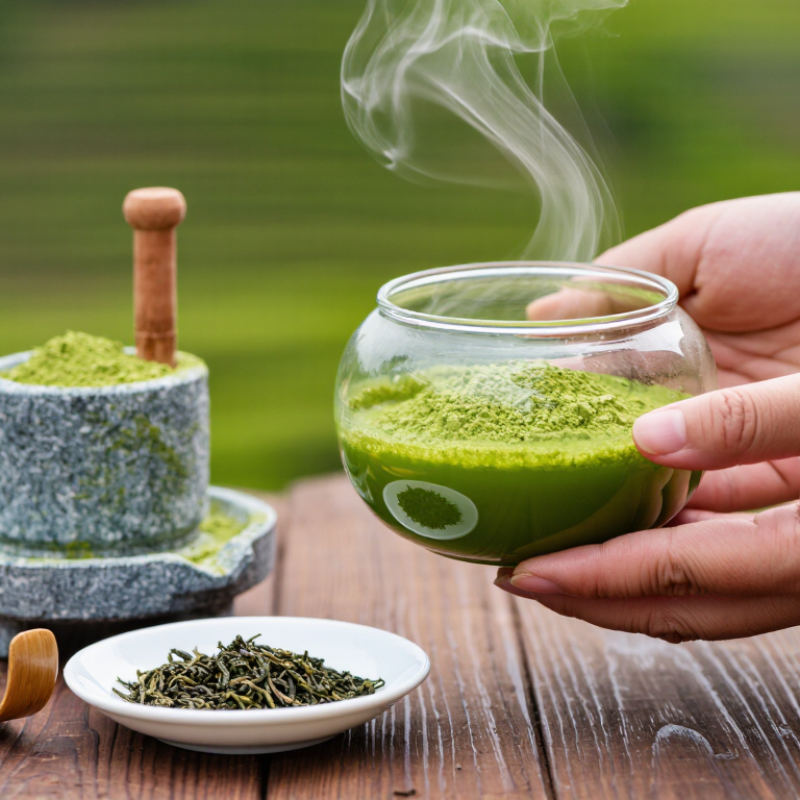
Define Your Ceremonial Matcha Requirements
Before contacting a supplier, define what “ceremonial” means for your use. The term is not a universally standardized grade, so request measurable specifications instead. Note whether the matcha is for whisking with water or for lattes, then describe the cup you want: vivid green, fine texture, low bitterness, and a fresh, savory aroma. Be specific.
Ask for the tea cultivar, harvest period, growing region, stone-milling method, and batch traceability. Request a recent sample and compare it in a plain bowl using the same water temperature and ratio. FAO’s Intergovernmental Group on Tea reported global tea production of about 6.5 million tonnes in 2022. That figure covers all tea, not matcha, but it highlights why a precise product specification matters within a large, varied supply chain.
Set practical thresholds for moisture, particle size, microbiological quality, and pesticide-residue testing; ask which methods and laboratories support the results. Also confirm packaging, minimum order quantity, lead time, and storage guidance. Keep the first order small. A supplier’s tasting sample may not represent every production lot, and a polished certificate cannot describe flavor. Taste matters. Record what works, including what does not.
Identify and Shortlist Suppliers in China
Define what “ceremonial” means for your intended use; it is not a universal grade. Decide on origin, harvest season, milling method, color, aroma, and serving style. Ask potential Chinese suppliers for product specifications, lot details, and pricing. Green color alone proves little. Request a sealed sample matching the lot you may order. Assess its aroma, texture, bitterness, and aftertaste in plain water.
Shortlist three to five suppliers and compare their answers side by side. Ask about traceability, storage conditions, packaging options, and minimum order quantities. Request recent third-party test reports where available, and confirm that each report matches the relevant lot. Check how quickly suppliers respond and whether their answers address your specific questions. Vague replies deserve caution, though they do not prove poor quality. Some details will still be unclear until you test a larger shipment; a tidy checklist cannot catch everything.
Tips: Keep a simple comparison sheet. Record sample dates, lot numbers, and tasting notes. Recheck those details before placing an order. A small mismatch can matter.
Verify Matcha Grade, Origin, and Quality
A supplier’s “ceremonial” label is not enough to establish matcha quality. The term is not applied consistently across the industry, so ask what the supplier means by it. Request the growing province, production site, harvest season, and leaf cultivar. Clear answers make the origin easier to verify. Vague descriptions deserve follow-up.
Ask for a recent, batch-specific specification sheet and test reports. Check whether they cover moisture, microbiological quality, and relevant contaminants. Compare the documents with a sample from the same batch, not a different lot. In the cup, note the aroma, color, texture, and balance of umami and bitterness. A fine powder should feel smooth between the fingers. A bright green color helps, but it is not proof by itself.
Small details matter. Ask how the leaves were shaded, steamed, dried, and milled, and how the finished powder is packed and stored. These steps can affect freshness and flavor. No checklist is perfect, and one tasting cannot tell the whole story. Still, a supplier who shares traceable records, answers technical questions, and explains limitations gives buyers a sounder basis for evaluating grade and quality.
Assess Supplier Standards, Capacity, and Traceability
A credible ceremonial matcha supplier should explain how its tea is grown, processed, and graded, rather than relying on the word “ceremonial.” Ask for specifications covering cultivar, harvest period, shading practice, milling method, moisture, and packaging. Request a sample from a recent production lot. Check its color, aroma, and texture after whisking; vivid green alone proves little. Ask for relevant food-safety certificates and independent test reports, then confirm their dates, scope, and lot numbers. Paperwork needs context.
Capacity matters as much as sample quality. Ask how much the supplier can provide each month and how harvest seasons affect availability. Compare sample batches for bitterness, aroma, and foam, not just appearance. Clarify minimum order quantities, lead times, and storage conditions. A spreadsheet can look perfect; real batches may still vary. That variation deserves an honest conversation.
Traceability should connect each tin or bulk pack to a specific lot. Request records showing the growing region, harvest or processing dates, milling details, and shipment history. Check that the lot code on the package matches its documents. If answers stay vague, ask for a simple traceability example before placing a large order. Small gaps can matter. I would also ask how the supplier handles a delayed harvest or inconsistent batch; that practical answer may reveal more than polished sales material.
How to Find the Best Ceremonial Matcha Supplier in China
Suggested 100-point due-diligence scorecard: assess food-safety standards, production capacity, and lot-level traceability.
Use these weights as a buyer’s evaluation framework, not as measured results for specific suppliers or a market survey. Request current certificates, batch-specific test reports, production records, and traceability documents, then score each area using evidence you verify.
Compare Samples, Pricing, and Delivery Terms
Request identical ceremonial matcha samples from each shortlisted supplier in China. Ask for the harvest period, origin, milling date, and storage conditions. Prepare each sample with the same water temperature and ratio, then record color, aroma, bitterness, and finish. Taste them blind. Your notes may differ on a second day; palate and preparation both affect results.
Compare prices on the same basis. A low price per kilogram can hide a high minimum order, extra packaging charges, or freight costs. Ask whether the quote includes protective, food-grade packaging and clarify the currency, payment schedule, and quote validity. Calculate the delivered cost for your expected order size, not just the sample quantity. Keep the numbers in one table.
Delivery terms deserve equal scrutiny. Request a realistic production lead time, dispatch window, shipping method, and tracking details in writing. Confirm how the supplier handles delays or damaged cartons, and check that the commercial documents match your order. Details matter. One useful check is to compare the sample’s batch information with the batch proposed for production. If the supplier cannot confirm a detail yet, note that uncertainty and ask when it can be verified.


