What is a Diaphragm Pump and How Does It Work?
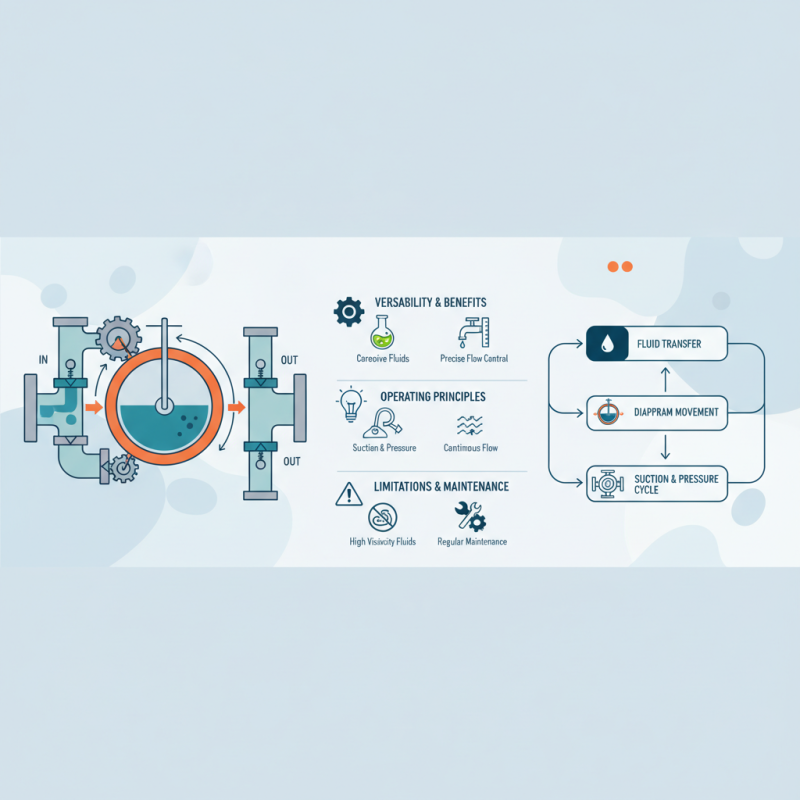
A diaphragm pump is a versatile device found in various industries. It transfers fluids using a flexible diaphragm. This type of pump offers several advantages. It handles corrosive fluids and offers precise flow control.
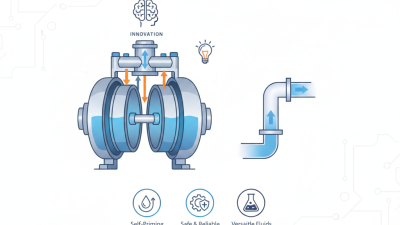
Understanding how a diaphragm pump works is essential for effective application. It uses suction and pressure to move liquids or gases. The diaphragm's movement creates a vacuum, drawing in the fluid. This process is repeated, ensuring a continuous flow.
While diaphragm pumps are effective, they have limitations. They may struggle with extremely viscous fluids. Regular maintenance is crucial to ensure optimal performance. Users must consider their specific needs before selecting a diaphragm pump for their application.
What is a Diaphragm Pump? An Overview of Its Definition and Purpose
A diaphragm pump is a unique mechanical device used for transferring fluids. It operates on the principle of positive displacement. The heart of the pump is a flexible diaphragm that moves back and forth. This movement creates a vacuum and draws fluid into the chamber. When the diaphragm pushes forward, it forces the fluid out. This process is efficient for both thick and thin liquids.
According to the Fluid Power International report, diaphragm pumps account for approximately 20% of the global pump market. Their design is robust and can handle corrosive fluids effectively. Many industries benefit from this technology, including chemical, food and beverage, and wastewater management. However, diaphragm pumps have limitations, such as their noise levels and potential for reduced efficiency over time.
The versatility of diaphragm pumps is evident in their application range. They can pump liquids with suspended solids, making them ideal for slurries. Yet, common issues arise, such as diaphragm wear and tear. Maintenance is essential for longevity. Users must regularly check for leaks to ensure optimal performance. The balance between efficiency and durability requires constant attention in diverse operational conditions.
Diaphragm Pump Performance Analysis
This chart displays the efficiency of diaphragm pumps in various applications over a year, showcasing how their performance can vary based on different factors.
Key Components of a Diaphragm Pump and Their Functions
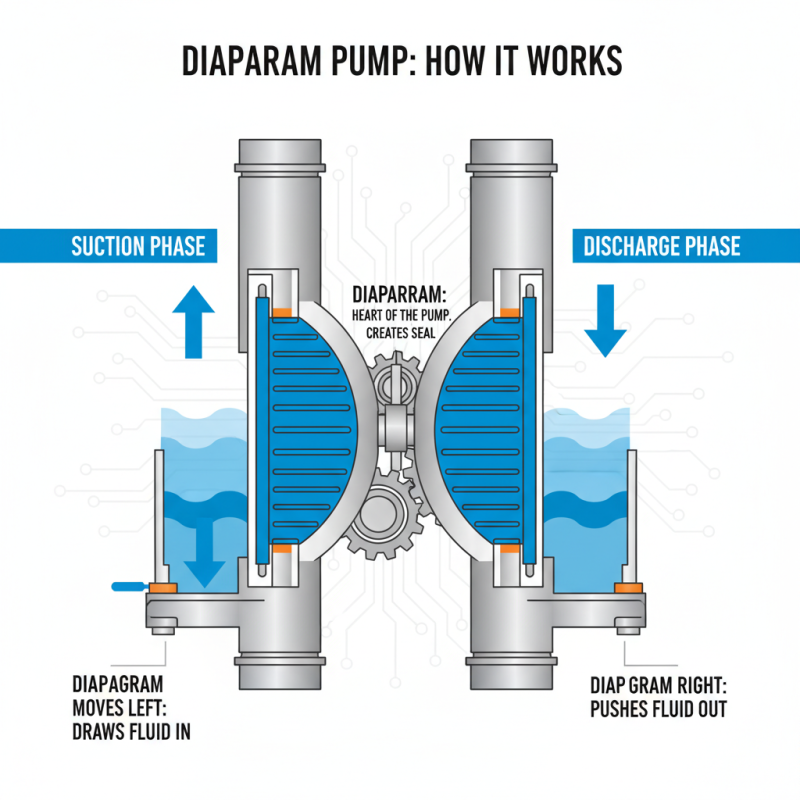
A diaphragm pump consists of several key components that play critical roles in its operation. The diaphragm is the heart of the pump. It creates a seal, separating two chambers. When the diaphragm moves, it draws fluid into the pump during the suction phase. During the discharge phase, the diaphragm pushes the fluid out.
Valves are essential for controlling fluid flow in diaphragm pumps. There are typically two types of valves: inlet and outlet. They open and close in sync with the diaphragm’s movements. This ensures that fluid flows only in one direction. Another crucial component is the pump body, which houses the diaphragm and valves. Its design affects the pump's efficiency and durability.
Lastly, the air supply mechanism is vital for driving the diaphragm's movement. It can be a manual or automatic system. This mechanism requires careful attention. Improper air pressure can lead to inefficient operation. Understanding these components helps diagnose issues. Each part must work harmoniously for optimal performance.
How Diaphragm Pumps Operate: The Mechanics of Fluid Transfer
Diaphragm pumps are fascinating machines designed for fluid transfer. They use a flexible diaphragm to move fluids with precision. The diaphragm creates a pumping action by alternately expanding and contracting. This process generates a vacuum, drawing fluid into the chamber.
When the diaphragm moves down, it creates low pressure. This low pressure allows fluid to enter through an intake valve. As the diaphragm rises, it pushes the fluid out through a discharge valve. The design minimizes pulsation, providing a steady flow. It's interesting, though, that not all diaphragm pumps operate the same way. Some may struggle with certain fluids, leading to inefficiencies.
Also, the materials used in diaphragm construction can affect performance. For instance, corrosive fluids may damage specific membranes. This weakness can limit applications. Maintenance is necessary to maintain peak efficiency. Regular checks can prevent unexpected failures, ensuring reliable operation. Understanding these mechanics helps improve diaphragm pump usage.
What is a Diaphragm Pump and How Does It Work?
| Parameter |
Description |
Typical Applications |
| Type |
Positive Displacement Pump |
Chemical transfer, food processing |
| Operating Principle |
Uses a diaphragm to create a vacuum and displace fluid |
Water treatment, paint spraying |
| Materials |
Commonly made of rubber, plastic, or metal |
Industrial applications, oil transfer |
| Flow Rate |
Varies from < 1 to 1000+ liters per minute |
Construction, mining |
| Pressure Range |
Typically 0 to 10 bar (145 psi) |
Hydraulic systems, waste management |
| Advantages |
Self-priming, handles viscous fluids |
Pumping slurry, thick liquids |
| Disadvantages |
Pulsating flow, limited on high speed |
Precision dosing, high pressure |
Applications of Diaphragm Pumps Across Various Industries
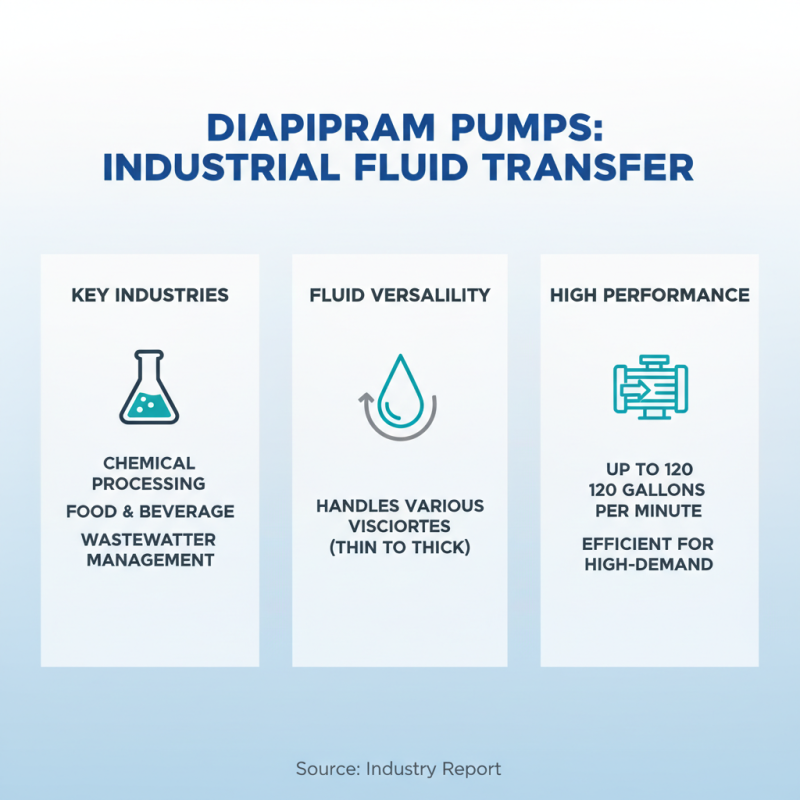
Diaphragm pumps serve as key components across multiple industries. These pumps excel in transferring fluids with a variety of viscosities. They are especially effective in chemical processing, food and beverage, and wastewater management. According to a recent industry report, diaphragm pumps can move fluids at rates up to 120 gallons per minute, making them efficient for high-demand applications.
In the food industry, diaphragm pumps are crucial. They ensure sanitary standards while transferring liquids. This is vital for maintaining product quality. The pharmaceutical sector also benefits, as these pumps minimize contamination risks. Their ability to handle abrasive materials makes them ideal for mining applications. A study revealed that diaphragm pumps can achieve over 90% efficiency in these sectors.
**Tips:** Regular maintenance is essential for optimal performance. Dirty filters can reduce effectiveness. Monitor pump efficiency to catch issues early. A small investment in monitoring can save significant costs in the long run.
Yet, diaphragm pumps may struggle with highly viscous fluids. This limitation can increase operational costs. Continuous operation in harsh conditions can lead to wear and tear. Always evaluate the specific needs of your application before selection. Compare different types and consider their strengths and weaknesses.
Advantages of Diaphragm Pumps: Efficiency, Safety, and Reliability
Diaphragm pumps are known for their efficiency and reliability. They work by using a diaphragm to create a vacuum. This vacuum pulls liquid or gas into the pump chamber. The diaphragm then compresses, forcing the fluid out. This simple yet effective mechanism results in minimal leakage.
One key advantage of diaphragm pumps is their safety. They can handle hazardous materials without risk. This makes them ideal for industries like pharmaceuticals and chemicals. The closed system prevents contamination. It's crucial to maintain these pumps to ensure they function properly over time.
Tips: Regularly check for wear on the diaphragm. A small crack can lead to issues. Also, ensure that all connections are tight to avoid leaks. Lastly, consider the pump's environment. Excess heat can affect performance.
Reliability is another strong point. Diaphragm pumps can operate in tough conditions. They are resistant to corrosion and can handle viscous fluids. This makes them versatile for various applications. However, keep in mind that not all diaphragm pumps are created equal. You'll need to assess your specific needs to find the right fit.