How to Choose the Right Steel Round Bar for Your Needs?
Choosing the right Steel Round Bar is essential for various projects. This decision can impact both the durability and performance of your work. Whether you're in construction, manufacturing, or metalworking, understanding your needs is critical.
Steel Round Bars come in different grades and sizes. Each type serves a specific purpose. For instance, certain bars offer higher tensile strength. Others may provide better ductility. Knowing these differences is key to making an informed choice.
Many factors influence your selection. Consider the application's requirements, load capacity, and environmental conditions. Reflecting on these aspects can lead to a better outcome. However, it is easy to overlook small details that matter. A misstep could result in wasted resources and time.
Understanding Steel Round Bars: Types and Characteristics
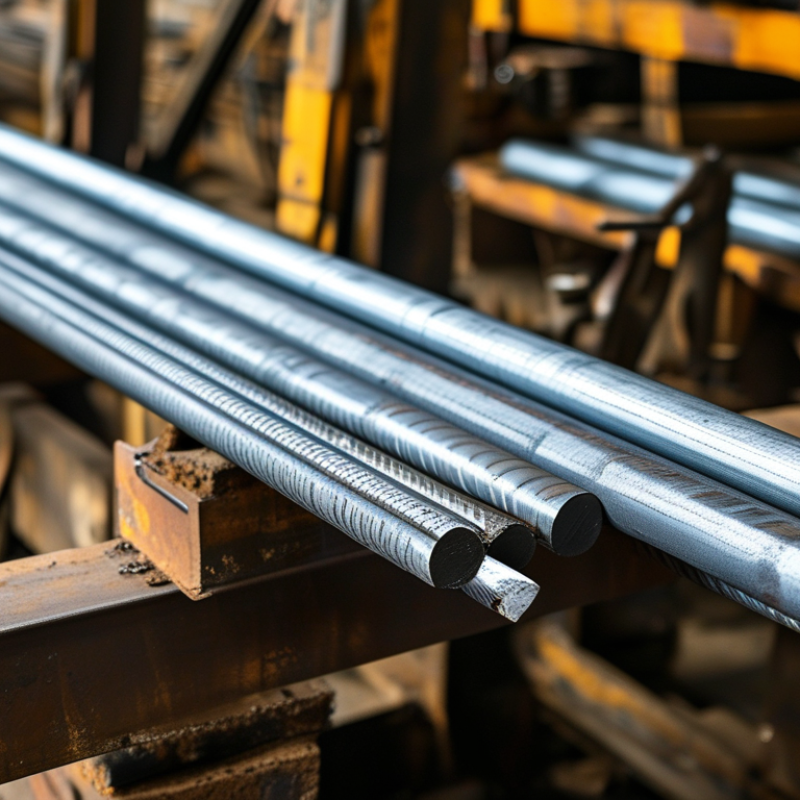
When selecting steel round bars, it's essential to understand their types and characteristics. Steel round bars come in various grades, each designed for specific applications. The most common types are carbon steel, alloy steel, and stainless steel. Carbon steel is known for its strength and is often used in construction. Alloy steel offers additional properties such as improved hardenability. Stainless steel, on the other hand, is highly resistant to corrosion, making it ideal for environments exposed to moisture.
The diameter and length of a steel round bar can affect its performance in different applications. For structural uses, larger diameters provide higher load-bearing capacity. Conversely, smaller bars are preferred for intricate parts or machinery components. It's also important to consider the finish of the bar. Some may require a polished finish for aesthetic purposes, while others might need a rough surface for better grip in applications.
While there are clear standards for steel round bars, imperfections can occur. Every batch may have slight variations in strength or size. It's vital to source materials from reliable suppliers to ensure quality. Companies should also conduct regular tests and inspections. This practice helps to identify any inconsistencies before the material is used in critical projects.
Key Factors to Consider When Selecting Steel Round Bars
When selecting steel round bars, understanding your project's requirements is essential. Consider the diameter and length that will suit your needs. Smaller bars are often used for precision applications. Larger diameters provide increased strength for structural purposes. Decide what fits best based on load and space constraints.
Another important factor is the steel grade. Different grades offer various properties, such as tensile strength and corrosion resistance. For outdoor applications, a bar with higher resistance may be necessary. In contrast, a project requiring ductility might benefit from a different grade. Remember, selecting the wrong grade could lead to premature failure.
Finally, pay attention to the manufacturing process. Steel can be hot-rolled or cold-drawn. Hot-rolled bars may have a rough surface, while cold-drawn bars are smoother and more precise. Each process has its advantages and disadvantages. Choosing the right method impacts performance and suitability for your specific use. Reassess your choices periodically to ensure they still align with your needs.
How to Choose the Right Steel Round Bar for Your Needs? - Key Factors to Consider When Selecting Steel Round Bars
| Factor | Description | Recommended Size Range (mm) | Common Applications |
| Steel Grade | The grade of steel affects strength, ductility, and corrosion resistance. | S235 to S325 | Construction, Machinery Parts |
| Diameter | The diameter of the round bar is crucial for load-bearing applications. | 10 to 100 | Bars, Shafts, Axles |
| Finish | Surface finish can impact appearance and corrosion resistance. | Polished, Galvanized | Decorative Elements, Outdoor Structures |
| Length | Length considerations affect transport and space requirements. | 1 to 6 | Building Frameworks, Industrial Applications |
| Weight | Weight affects handling and structural requirements. | Depends on diameter and length | Heavy Machinery, Construction |
Applications of Steel Round Bars in Various Industries
Steel round bars play a crucial role in various industries due to their versatility. In construction, they provide structural integrity. Many bridges and buildings rely on these bars for strength. Their ability to withstand tension and compression makes them ideal for reinforcing concrete.
The automotive industry also benefits from steel round bars. They are used in manufacturing components like axles and shafts. These parts require durability and precision. Steel round bars meet these demands effectively. Additionally, they find applications in machinery and fabrication. In these fields, they serve as foundational elements, ensuring smooth operation and reliability.
While steel round bars have numerous advantages, it's important to evaluate their specific use. Not all grades are suitable for every application. Selecting the wrong type can lead to failures. Understanding the requirements of your project is essential. Consider factors like load, environment, and mechanical properties before making a choice.
Applications of Steel Round Bars in Various Industries
Comparing Steel Round Bars: Grades and Specifications
When selecting the right steel round bar, grades and specifications play a critical role. ASTM A36 is a common structural steel grade known for its weldability and machinability. It possesses a minimum yield strength of 36,000 psi, making it ideal for construction. Meanwhile, ASTM 304 stainless steel offers corrosion resistance and strength. This grade can withstand temperatures up to 870°C.
Manufacturers often cite engineers' preferences for grade selection. An AISI 4140 alloy steel bar presents high tensile strength. It features a yield strength of about 95,000 psi. This grade is effective in applications requiring high stress and fatigue resistance.
Clients should weigh the mechanical properties and intended use of each grade. While these specifications guide decisions, practical applications often present challenges. For instance, lower-priced steel might lack the durability for critical applications. Over time, poor choices can lead to costly replacements or unsafe structures. Thus, understanding the specifications thoroughly helps mitigate these issues.
Best Practices for Maintaining and Working with Steel Round Bars
When working with steel round bars, maintenance is key. Regular inspections can prevent issues. Look for signs of wear or corrosion. Use the right cleaning methods to ensure longevity. A simple wipe with a damp cloth can remove dust. More stubborn dirt may require a gentle abrasive. Always follow safety guidelines.
Cutting and welding steel round bars need proper techniques. Incorrect methods can lead to defects. A consistent feed rate during cutting minimizes stress. Ensure that welding equipment is set correctly. It’s helpful to practice on scrap material first. This builds confidence and improves accuracy.
Storing steel round bars appropriately is crucial. Keep them in a dry environment to prevent rust. Use racks or pallets to avoid bending. Label each bar for easy identification. This organization saves time during projects. Sometimes, despite best efforts, damage can occur. Reflecting on past mistakes can lead to better practices in the future.