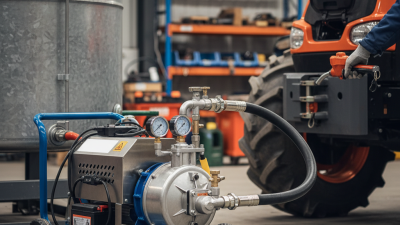
How to Choose the Right Progressive Cavity Pump for Your Needs?
Choosing the right progressive cavity pump is crucial for effective fluid management. These pumps are known for their efficiency in handling viscous fluids. They work through a unique rotor-stator design, providing consistent flow rates. However, selecting the perfect model can be overwhelming.
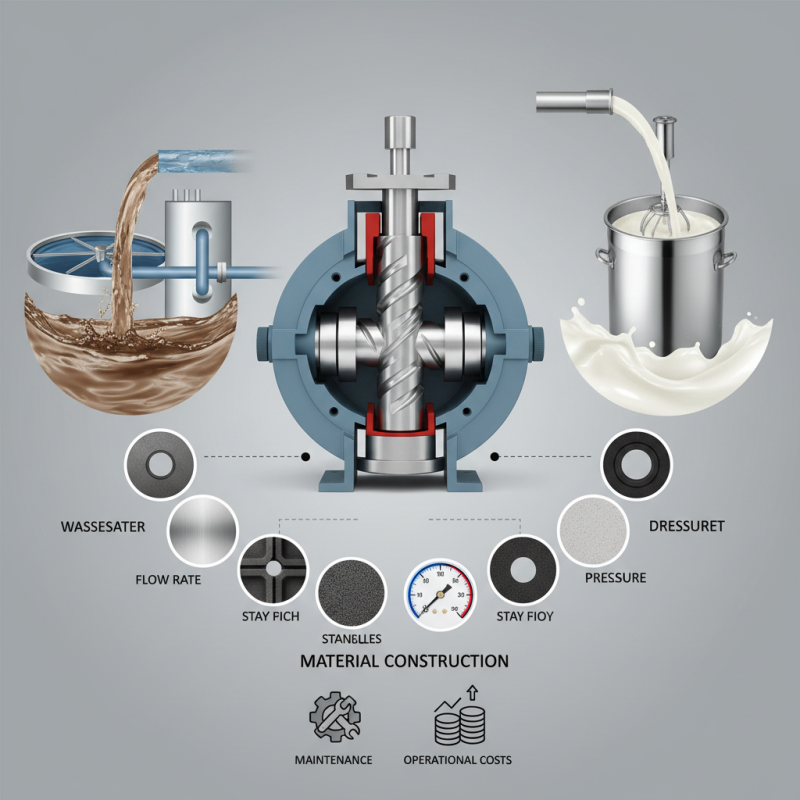
Consider the specific application of your progressive cavity pump. Is it for food processing or wastewater treatment? Each application has different requirements. Think about flow rate and pressure needs. These factors will significantly impact performance. Also, the material construction is vital to prevent corrosion.
It’s easy to overlook factors like maintenance and operational costs. While some pumps are affordable, their long-term performance matters more. Reflect on what you truly need. Selecting the right pump requires careful thought.
Understanding the Basics of Progressive Cavity Pumps
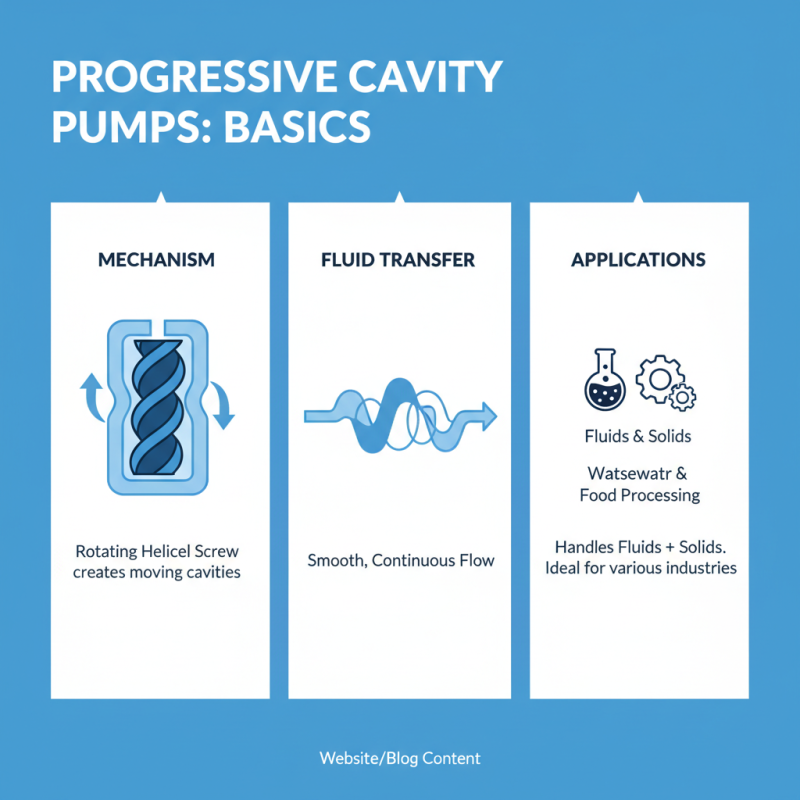
Progressive cavity pumps are unique machines designed for transferring fluids. They work through a rotating helical screw. This mechanism creates cavities that move fluid along the pump. The design allows for a smooth, continuous flow. Unlike other pumps, they can handle viscous fluids and solids. This makes them ideal for a variety of applications, from wastewater treatment to food processing.
When selecting a progressive cavity pump, consider your specific needs. What type of fluid will it handle? Is it viscous or contains solids? Think about the flow rate required for your application. You may need a pump that operates efficiently at varying speeds. A better understanding of these parameters can lead to more informed decisions.
It's important to realize that not all pumps will fit every scenario. Sometimes, we choose a pump that seems perfect but then face unexpected challenges. This can happen due to changing conditions in the process or fluid characteristics. Regularly reviewing your pump's performance will help identify issues early. Remember, the right pump is one that fits your unique situation and works reliably over time.
Identifying Your Specific Application Requirements
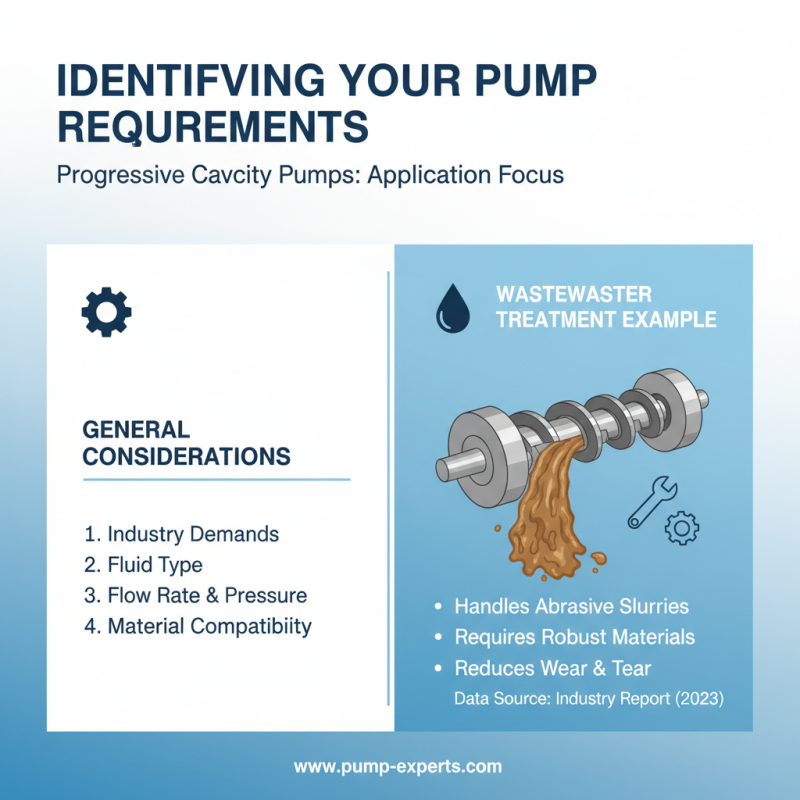
When selecting a progressive cavity pump, identifying your specific application requirements is crucial. Different industries have unique demands. For example, data shows that in wastewater treatment, pumps must handle abrasive slurries. This type of environment requires pumps with robust materials to reduce wear and tear.
Pay attention to the viscosity of the fluid you'll be pumping. High-viscosity fluids often need larger rotors and stators to maintain efficiency. According to industry reports, over 40% of pump failures occur due to improper selection. Ignoring this can lead to costly repairs.
Tip: Always assess the temperature of the fluid as well. Extreme temperatures can affect material integrity. Ensure that your pump can withstand the conditions specific to your application.
Next, consider the flow rate and pressure requirements. Each application will have specific ranges, and going outside these can lead to inefficiencies. Research suggests that approximately 30% of installations are not optimized for the desired flow. This could mean higher energy consumption or mechanical failures down the line.
Tip: Look for a pump that allows easy adjustment of parameters. This flexibility can save you time and money as conditions change. It’s necessary to think critically about your needs, as the right pump should offer both reliability and adaptability.
Evaluating Key Performance Metrics for Pump Selection
When selecting a progressive cavity pump, key performance metrics play a crucial role. Flow rate, pressure, and viscosity are vital. Flow rate determines the amount of fluid the pump can handle. Knowing your process requirements is essential. For instance, a specific application may need a higher flow rate, while another may require lower.
Pressure is another critical factor. Some systems operate under high pressure, influencing pump selection. Ensure you understand the discharge pressure required for your application. It's important to consider how viscosity affects performance too. Thicker fluids can strain pumps, leading to inefficiencies and downtime.
Always reflect on these metrics during your selection process. Assess how often your applications change. Pumps may need modifications or replacements. You might think you've chosen the right pump, but what happens if conditions change? Being adaptable is key. Consider future needs and potential challenges with pump performance. Anticipating these issues can save time and costs later.
Performance Metrics of Progressive Cavity Pumps
Comparing Material Options and Compatibility Considerations
When selecting a progressive cavity pump, material compatibility is crucial. Different liquids require specific materials to avoid corrosion and wear. For instance, abrasive materials can damage softer metals, leading to pump failure. Consider the temperature of your fluid. High temperatures may require specialized polymers or metals to maintain integrity. Choosing the wrong material can lead to costly repairs.
Another factor is the chemical composition of the fluid. Some liquids may cause reactions with certain materials, reducing performance. It's vital to consult compatibility charts to ensure optimal performance. Pay attention to the pump's sealing system, too. A poor seal can result in leaks and contamination of the fluid being pumped.
Make a list of the fluids you will handle and their properties. Not doing so could lead to choosing an unsuitable pump. Then, evaluate what materials align best with those needs. Remember that cost should not be the only factor. Quality and longevity can ultimately save money in the long run. Finding balance is the challenge here.
Assessing Maintenance and Support Needs for Long-Term Use
When selecting a progressive cavity pump, maintenance and support are critical. Regular maintenance ensures the pump operates efficiently. Check the manufacturer's recommendations for maintenance schedules. This can vary widely depending on the pump and its application. Some pumps might require frequent checks, while others may need less attention. It is essential to assess your operational demands.
Unexpected issues can lead to downtime. Evaluate the availability of support services. Ensure that knowledgeable technicians can provide assistance when necessary. Local versus remote support can make a difference. Local support reduces response times, while remote assistance can help with quick fixes. Reflect on the training needed for your team. Sometimes, employees may lack the expertise to handle minor repairs.
Your setup may require specialized tools for maintenance. Ensure these tools are available before issues arise. Consider a spare parts inventory to reduce downtime. Living with delays in parts delivery can be frustrating. Assess your ability to store and manage these parts. In the long run, this planning helps maintain pump performance.
How to Choose the Right Progressive Cavity Pump for Your Needs? - Assessing Maintenance and Support Needs for Long-Term Use
| Pump Type |
Maximum Flow Rate (gpm) |
Viscosity Range (cP) |
Temperature Range (°F) |
Maintenance Frequency |
Support Availability |
| Standard Progressive Cavity Pump |
10 - 150 |
1 - 5000 |
20 - 180 |
Monthly |
24/7 Support Available |
| High Viscosity Pump |
5 - 80 |
500 - 100000 |
20 - 120 |
Bi-Weekly |
Weekdays, 9 to 5 |
| Heavy-Duty Pump |
20 - 200 |
1 - 4000 |
30 - 210 |
Quarterly |
24/7 Support Available |
| Compact Pump |
3 - 60 |
1 - 1000 |
20 - 100 |
Semi-Annually |
Weekdays, 8 to 6 |