How to Choose the Best Diesel Transfer Tank with Pump?
Choosing the right diesel transfer tank with pump is critical for efficient fuel management. According to the "2023 Fuel Storage and Transfer Report," the diesel transfer tank market has grown by 15% over the last three years. This growth highlights the increasing need for secure and efficient fuel solutions. Expert John Thornton from FuelTech emphasizes, "The right equipment ensures safe and efficient operations in the field."
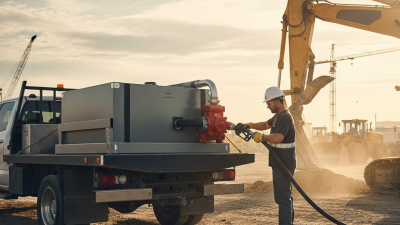
Selecting a diesel transfer tank with pump requires understanding your specific needs. Factors such as tank size, portability, and pump type are essential considerations. A well-chosen tank can save both time and money, reducing downtime for equipment refueling. However, not all tanks offer the same quality and durability. Buyers should research to identify reputable brands and products.
While many options are available, some customers may select tanks based solely on price. This approach can lead to poor choices. Investing in a reliable and efficient diesel transfer tank with pump pays off in the long run. Evaluating the performance features and manufacturer reputation will guide you toward a better purchase decision. Consider your options carefully for optimal fuel management.
Factors to Consider When Selecting a Diesel Transfer Tank
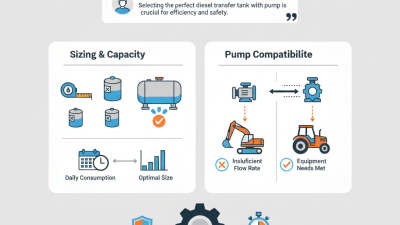
When selecting a diesel transfer tank, several key factors should guide your decision. First, consider the tank's capacity. Larger tanks may store more fuel but can be cumbersome to transport. A smaller tank might reduce weight but limit your fuel supply. Think about your specific needs. A balance must be struck between portability and storage.
Another critical aspect is the material of the tank. Steel tanks are durable but can rust. Aluminum tanks, while lighter, may be prone to dents. Evaluate your work environment when choosing a tank material. Exposure to elements can affect the tank’s longevity.
Ensure the pump reliability matches your usage plans. A slow pump can waste time, while a high-flow pump may be unnecessary. Check the pump's specifications to ensure it suits your needs. It’s easy to overlook these details, but proper evaluation is essential. Each choice impacts efficiency and safety in the long run.
How to Choose the Best Diesel Transfer Tank with Pump? - Factors to Consider When Selecting a Diesel Transfer Tank
| Factor |
Description |
Importance |
| Tank Material |
Durability and resistance to corrosion; common materials include steel and polyethylene. |
High |
| Capacity |
Volume the tank can hold; should meet your refueling needs without being excessively large. |
Medium |
| Pump Type |
Consider the type of pump (electric, manual, or PTO); affects transfer speed and convenience. |
High |
| Portability |
Tank weight and design for easy transportation; important for job sites and different refueling locations. |
Medium |
| Safety Features |
Built-in safety features such as automatic shut-off and spill containment; essential for preventing accidents. |
High |
| Regulatory Compliance |
Compliance with local environmental and safety regulations; ensures legality and safety. |
High |
| Cost |
Initial purchase price and long-term maintenance costs; balance quality with budget considerations. |
Medium |
Types of Diesel Transfer Tanks Available in the Market
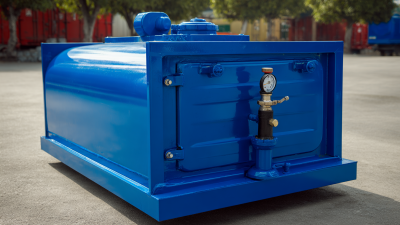
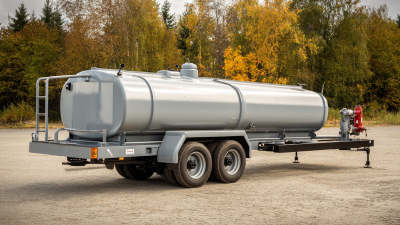
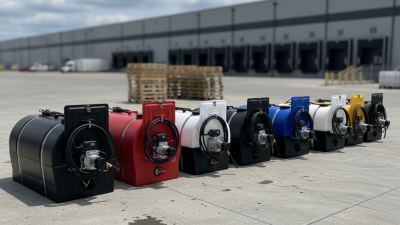
When selecting a diesel transfer tank, understanding the types available is crucial. The market offers several models, each designed to meet specific needs. Portable tanks are popular for their ease of use; they typically range from 20 to 100 gallons. A recent report from the Diesel Technology Forum found that over 60% of small to medium businesses utilize these tanks. Their convenience makes them ideal for on-the-go fueling.
Fixed tanks, on the other hand, are designed for stationary installations. These usually hold larger volumes, from 200 to 1,000 gallons. Many installations include a pump for efficient dispensing, and their durability is often a concern. Industry data suggests that 70% of larger fleets prefer fixed tanks for reduced pollution and minimized spillage risks.
Another option is the combination tank, which integrates features of both portable and fixed models. However, they may come with a higher price tag and complexity in installation. Users sometimes overlook the importance of compliance with local regulations during the selection process. Ensuring that a tank meets safety standards can prevent costly penalties. Balancing your specific fueling needs with safety requirements is key in making the right choice.
Essential Features of a Diesel Transfer Tank with Pump
When choosing a diesel transfer tank with a pump, consider essential features to ensure safety and efficiency. Look for tanks made from high-quality materials to prevent corrosion. Steel is often recommended for durability. Polyethylene options are lighter and resistant to dents. According to industry reports, a high-quality tank can last over a decade with proper maintenance.
Capacity is another critical factor. Most portable tanks range from 30 to 300 gallons. Your needs will vary based on usage frequency. Assess your typical mileage and consumption to determine the ideal size. Additionally, consider the pump's performance. A good pump should provide a flow rate of at least 10 gallons per minute. This will save time during refueling.
Always ensure your tank meets local regulations. Some areas require specific safety certifications. Lack of compliance can lead to legal troubles and penalties. The layout of the tank matters too. Opt for models with built-in baffles to minimize sloshing during transport.
Look for features that enhance usability. An automatic shut-off switch can prevent overfilling, reducing spills. Filters for water and debris will extend the pump’s life. Regular maintenance is essential. Check for leaks and corrosion monthly. Ignoring these checks can lead to costly repairs later on. Investing time in research pays off. Choose wisely for safety, efficiency, and longevity in your diesel transfer process.
Safety Regulations and Compliance for Diesel Transfer Tanks
When considering diesel transfer tanks, safety regulations are paramount. According to the National Fire Protection Association (NFPA), proper compliance with codes can prevent accidents. Tanks must meet standards set forth in the NFPA 30, which relates to flammable and combustible liquids. This ensures that the tanks are designed to contain leaks and withstand incidents.
Occupational Safety and Health Administration (OSHA) guidelines also highlight the importance of proper ventilation. Adequate airflow reduces the risk of vapors accumulating. It is crucial to examine the tank’s construction material. Many regulations specify using steel or other robust materials that minimize the chance of leaks.
Many users overlook regular maintenance, which is critical in ensuring ongoing compliance. According to the Environmental Protection Agency (EPA), failure to inspect tanks regularly can lead to hazardous spills. A significant percentage of diesel spills occur due to aging infrastructure. This highlights the need for regular checks and adherence to safety standards. Investing in compliant equipment is vital not just for safety, but also for operational integrity.
Tips for Maintaining Your Diesel Transfer Tank and Pump
Maintaining your diesel transfer tank and pump is crucial for ensuring optimal operation. Regular inspection is essential. According to the National Institute for Occupational Safety and Health (NIOSH), nearly 30% of fuel transfer issues stem from inadequate maintenance practices. Keeping the equipment clean helps prevent contamination, which can lead to costly repairs and inefficiencies. A clean surface reduces the risk of corrosion.
Another critical aspect is monitoring the pump pressure. Consistent pressure measurements help identify potential malfunctions early. A study by the American Petroleum Institute (API) indicates that maintaining proper pressure can extend pump lifespan by over 20%. If you notice irregularities, it might indicate blockages or wear. Periodic tests should be performed to ensure efficiency.
Furthermore, addressing minor leaks promptly can prevent bigger issues. The Environmental Protection Agency (EPA) reports that even small leaks can lead to significant financial loss over time. Conduct regular maintenance checks and replace worn hoses to reduce risks. Each of these actions contributes to better performance and longevity of your equipment. It’s a cycle of care that pays dividends in reliability and cost savings.