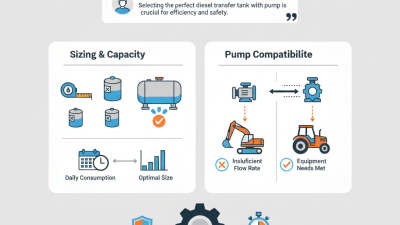
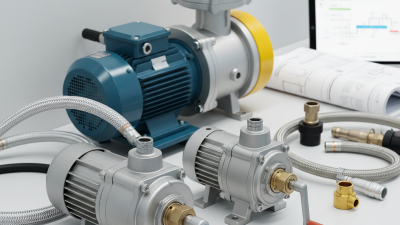
How to Choose the Best Diesel Tank with Pump?
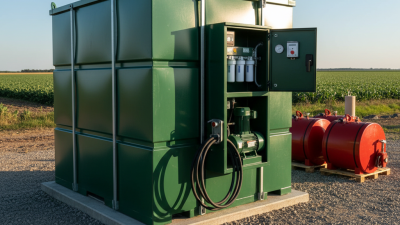
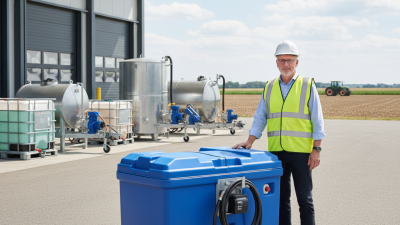
Choosing a diesel tank with pump is not just a matter of picking the largest capacity. The right setup should match your equipment, refueling frequency, and available storage space. A compact tank may suit a small workshop, while a farm or service fleet may need more capacity and a faster pump. Think about where the tank will sit, too. A narrow doorway or uneven yard can turn delivery and installation into avoidable problems.
Pump performance deserves close attention. Compare the stated flow rate with the size of your machinery and the time you can spare for refueling. Check that the hose reaches the vehicle comfortably and that the nozzle is easy to control. Look for practical details such as a clear fuel-level gauge, a secure lid, and accessible filters. Materials, seals, and fittings should be suitable for diesel and the conditions where the tank will be used. Small details matter.
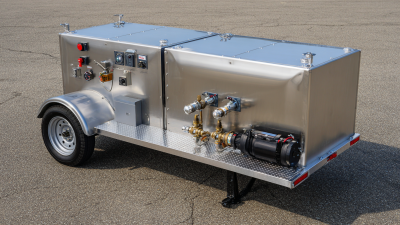
Before buying, confirm the power supply, pump controls, and maintenance requirements. Ask the supplier for product specifications and clear guidance on servicing; do not rely on a vague product photo. For mobile use, check how the tank is secured and whether its design suits transport. For stationary use, consider drainage, weather exposure, and safe access. Capacity alone can mislead. A bigger tank is not automatically better. I have seen buyers focus on pump speed, then overlook reach and routine upkeep. That is an easy mistake. Use the sections below to compare tank types, pump features, capacity, safety considerations, and long-term value, then choose a system that fits your actual work.
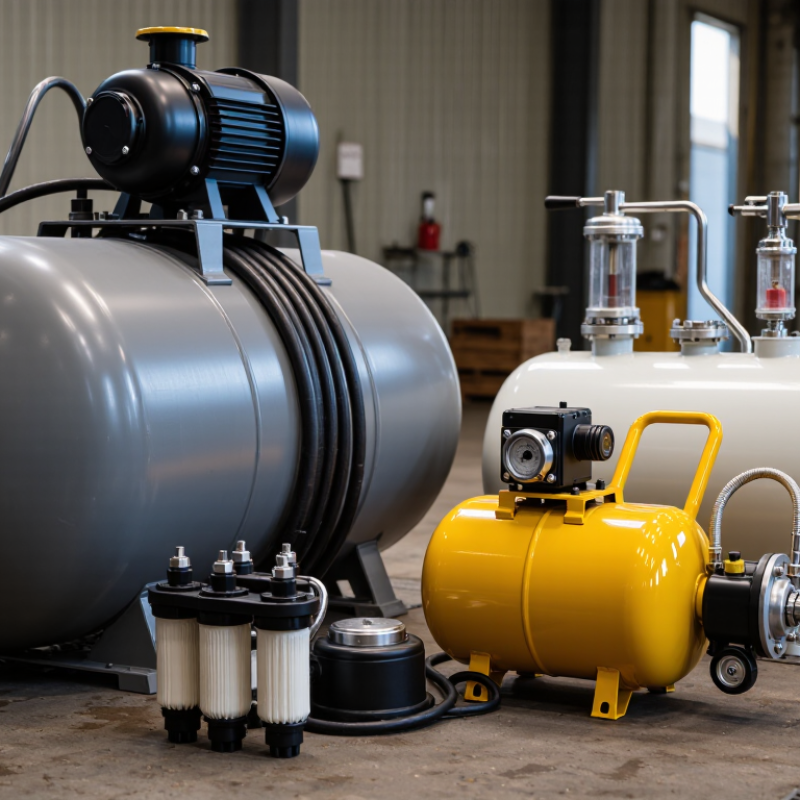
Define Your Fuel Storage Needs and Usage Conditions
Before comparing pump capacities, estimate how much diesel your equipment actually uses. Record average daily consumption, peak demand, and the longest gap between refills. A small generator running eight hours each night needs a different setup from a machine refueled several times a day. Leave sensible reserve capacity, but avoid buying a tank so large that fuel sits unused for months. Old fuel can complicate maintenance. This is easy to overlook.
Consider where the tank will sit and how fuel will be transferred. Measure the available footprint, doorways, and vehicle clearance. Note whether the tank stays in one place or moves between sites. Outdoor exposure brings heat, rain, dust, and temperature swings. These conditions affect material choice, fittings, seals, and inspection needs. Check the pump’s flow rate against the receiving equipment: a high-flow unit may waste power, while a slow one can interrupt work. Look at power availability, hose reach, nozzle control, and filtration too.
Match specifications to actual use, not guesses. Ask the supplier for usable capacity, pump duty cycle, compatible-fuel guidance, and maintenance intervals in writing. Confirm the equipment meets applicable local requirements. If consumption varies seasonally, base your estimate on the busiest realistic week, then revise it using operating data. Estimates are imperfect. A simple log of refills and run hours often beats a tidy spreadsheet built on assumptions.
Compare Tank Capacity, Materials, and Construction
Choosing a diesel tank with a pump starts with usable capacity, not the number painted on the label. Estimate daily consumption at the equipment’s real workload, then allow for delivery delays and a practical reserve. The U.S. Energy Information Administration’s Monthly Energy Review reports distillate fuel oil at about 137,381 Btu per U.S. gallon. As a rough example, a machine using two gallons per hour could run for 50 hours on 100 gallons, before accounting for unusable fuel or reserve. That estimate is only a starting point. Actual consumption changes with load, temperature, and maintenance.
Material and construction affect service life as much as capacity. Steel tanks can offer rigid protection, but inspect coating quality, welds, seams, and corrosion exposure. For steel designs, check whether UL 142 certification is appropriate for the intended installation; STI SP001 provides inspection guidance for shop-built tanks. Polyethylene models resist corrosion, but confirm fuel compatibility, UV protection, and temperature limits in the tank documentation. Look closely at the pump mount, filter access, vent, and hose fittings. They should be easy to reach without awkwardly reaching over the tank. Not always. A larger tank can add weight and make placement harder, while a smaller one may mean frequent refills. Compare usable capacity, construction details, and pump flow together; one specification rarely tells the whole story.
Evaluate Pump Flow Rate, Power, and Fueling Features
A diesel tank with a pump should match the equipment you fuel, not just boast the highest flow rate. Check the pump’s rated flow against the machine’s tank size and your usual fueling pace. A small generator may not need a fast pump, while frequent refueling of larger equipment can make a higher rate useful. Not always. A fast flow can cause splashing or make a tank opening harder to manage. Compare the advertised rate with the complete setup, including hose length, nozzle, and any filter, because these can affect actual delivery.
Power matters just as much. Confirm whether the pump uses a vehicle battery, a separate battery, or another power source, and check voltage compatibility before connecting it. Consider cable reach, duty cycle, and protection against overheating. Fueling features also deserve a close look: a comfortable nozzle, a readable meter, a suitable filter, and automatic shutoff can make routine use easier. Verify that every pump, hose, and seal is rated for diesel. A specification sheet can look reassuring, but real-world performance may differ; it is worth checking the manufacturer’s operating guidance rather than relying on one number.
Tips: Measure the distance from the tank to the fueling point. Check hose reach with room to move, and keep the nozzle steady during testing. If the setup feels awkward, reassess it before regular use.
Check Safety Systems and Regulatory Requirements
A diesel tank with a pump should have safety features suited to where and how it will be used. Look for a clearly reachable emergency shutoff, secure hose connections, and overfill protection. A lockable nozzle can reduce spills and unauthorized use. Small details matter. Check that vents and fittings are protected from dirt, water, and accidental impact.
Inspect the tank for a visible capacity label and clear instructions. Ask for documentation covering the tank, pump, and any electrical components. Requirements can vary by location, tank size, installation site, and whether the unit is stationary or transported. Confirm applicable fire, environmental, and transport rules with the relevant local authority before buying. Do not assume a product’s general certification settles every installation question.
In practice, inspect seals, hoses, and the pump regularly, even when the equipment looks new. A checklist helps, but it can miss a slow leak under a fitting. That part is easy to overlook. Keep the area around the tank clear, and make sure users know how to stop the pump and report damage. If the seller cannot explain the safety documentation, pause and verify it independently.
Match the Tank and Pump to Your Site and Maintenance Plan
Choosing a diesel tank and pump starts with the site, not the largest capacity on offer. Measure the distance from the tank to the equipment, note elevation changes, and check how many vehicles refuel during a busy hour. A pump that delivers too little flow creates queues; an oversized unit may add cost without solving a real need. Keep the pump, filter, and hose accessible, with room to inspect fittings and catch small leaks. Small details matter. I still find hose reach easy to overlook.
Maintenance needs should shape the tank choice, too. ASTM D975 sets a maximum water-and-sediment limit of 0.05% by volume for common diesel grades, so plan for clean delivery, water checks, and filter changes. The National Renewable Energy Laboratory’s Biodiesel Handling and Use Guide describes how water and oxidation can affect stored fuel, especially when biodiesel blends are used. Choose a tank with a drain or sampling point that staff can reach safely. Set a realistic inspection schedule, but leave flexibility: dusty yards, rain, and irregular use can change how often checks are needed. A written log helps reveal recurring water or filter issues before they interrupt fueling.