Top Tips for Choosing the Best Chemical Pump for Your Needs?
Choosing the right chemical pump can significantly impact your operations. According to Dr. Emily Carter, a leading expert in fluid dynamics, "The right chemical pump is crucial for efficiency and safety." This advice resonates as industries increasingly rely on specialized equipment for their processes.
When evaluating chemical pumps, consider operational requirements such as flow rates and fluid characteristics. Also, the environment where the pump will be used matters. For instance, corrosive or volatile substances may necessitate specific materials that can withstand harsh conditions. It’s easy to overlook these factors in favor of initial cost, but doing so may lead to costly failures.
Equally important is understanding maintenance aspects. Regular upkeep can prolong the life of a chemical pump significantly. A lack of maintenance often creates unforeseen challenges. Reflecting on these elements ensures not only optimal performance but also enhanced safety in your operations. Investing time in selecting the right chemical pump pays off in the long run.
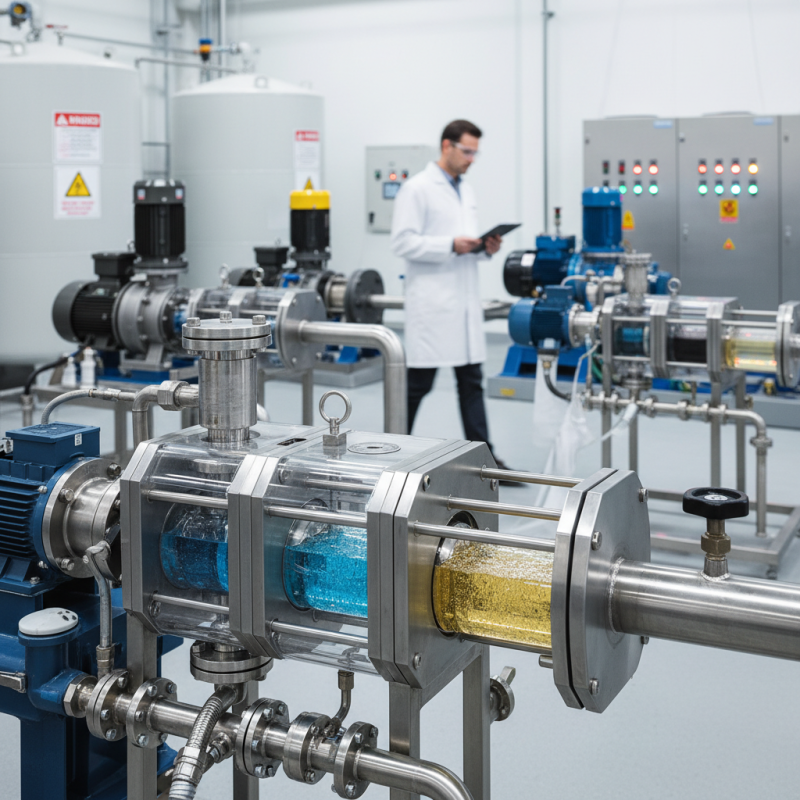
Understanding Different Types of Chemical Pumps and Their Applications
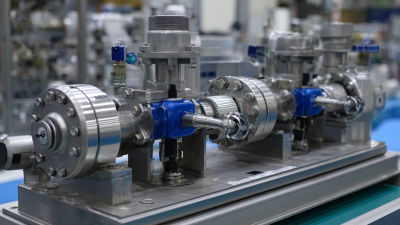
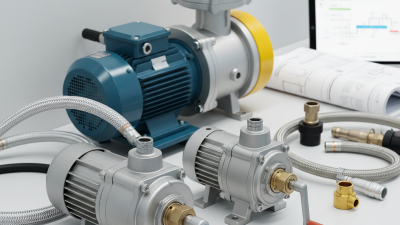
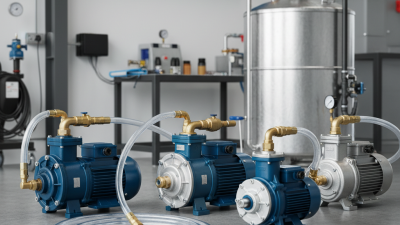
Chemical pumps are vital in various industries, including pharmaceuticals, chemical processing, and water treatment. Each application demands specific features from a pump. For example, centrifugal pumps are frequently used for low-viscosity fluids. They are efficient and reliable but may not handle abrasive materials well.
Positive displacement pumps, on the other hand, excel in moving viscous liquids. A report by the Global Market Insights suggests that the positive displacement pump market is expected to grow significantly, indicating a rising need for this type of pump. It’s crucial to evaluate the fluid characteristics, including viscosity and temperature, to choose the right type. Selecting a pump that can't handle the fluid characteristics could lead to costly repairs.
Additionally, it's essential to consider the material compatibility of the pump. For corrosive substances, materials like polypropylene or stainless steel may be necessary. According to a recent industry survey, 35% of pump failures are due to material incompatibility. This statistic underscores the need for careful selection. A well-chosen chemical pump aligns with application needs, ensuring both efficiency and longevity.
Key Factors to Consider When Selecting a Chemical Pump for Your Process
When selecting a chemical pump, several key factors come into play. Understanding the fluid being pumped is crucial. Consider its viscosity, temperature, and corrosiveness. Each of these factors impacts pump performance and material selection. For example, highly viscous fluids may require specialized impellers or gear pumps. Moreover, the chosen materials must withstand the chemical properties of the fluid.
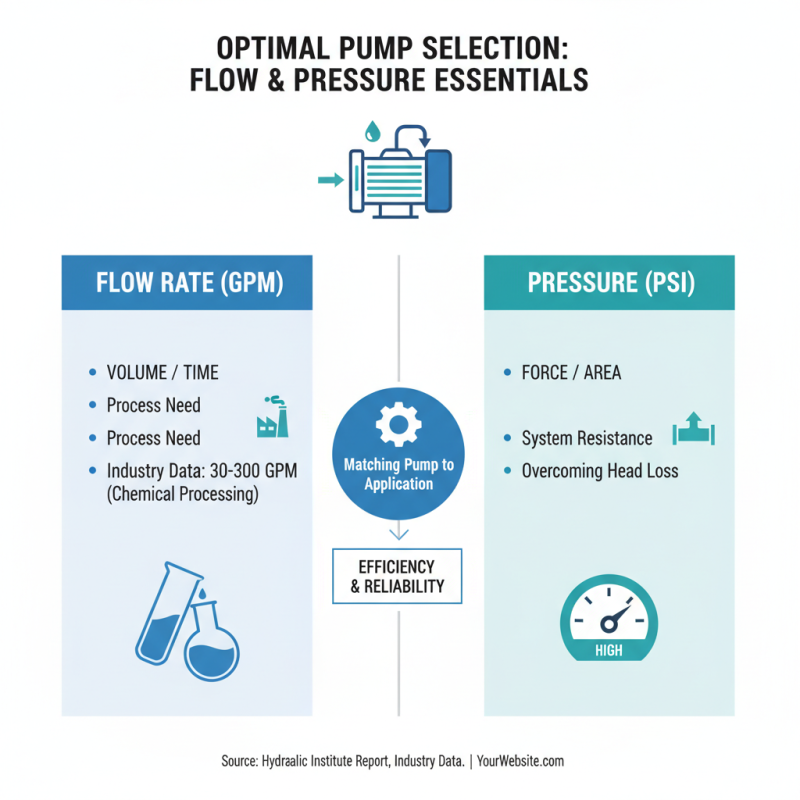
Another important aspect is the pump's flow rate and pressure requirements. Different applications demand varying flow rates. If your process requires continuous operation, choose a pump designed for resilience under those conditions. Pay attention to the maximum pressure the pump can handle. Exceeding these limits could lead to pump failure.
Maintenance considerations should not be overlooked. A user-friendly design simplifies routine checks and repairs. Some pumps offer features that allow for easy access to components. This can save time and reduce downtime in your process. Reflect on how often maintenance will be needed and factor this into your decision. A balance between efficiency, durability, and ease of use is key in your selection process.
Top Tips for Choosing the Best Chemical Pump for Your Needs
| Key Factors |
Description |
Considerations |
| Material Compatibility |
Ensure the pump materials can handle the chemicals being pumped. |
Check for corrosion resistance and compatibility with chemical properties. |
| Flow Rate |
Determine the required flow rate for your process. |
Analyze the total volume and time requirements for accurate flow measurements. |
| Pressure Requirements |
Know the pressure needs for efficient pumping. |
Consider both suction lift and discharge head. |
| Pump Type |
Evaluate different types of pumps like diaphragm, peristaltic, and centrifugal. |
Consider application-specific requirements when choosing pump type. |
| Maintenance |
Assess the ease of maintenance and required upkeep. |
Look for ease of access to components and availability of spare parts. |
| Installation Requirements |
Consider space and structural needs for installation. |
Ensure adequate space and support for pump positioning. |
| Energy Efficiency |
Analyze energy usage for operational cost efficiency. |
Choose pumps that minimize energy consumption while maintaining performance. |
Material Compatibility: Ensuring Chemical Resistance in Pump Components
When selecting a chemical pump, material compatibility is crucial. The right pump must withstand the harsh chemicals it's designed to handle. A study from the Chemical Engineering Journal highlights that over 30% of pump failures stem from inadequate material selection. This often leads to costly downtime and significant safety risks.
Different materials offer varying resistance to chemicals. For example, stainless steel is durable but may corrode in acidic environments. On the other hand, thermoplastic materials, like polyvinyl chloride (PVC), resist many aggressive chemicals but might not suit high-temperature applications. Evaluating the chemical compatibility of pump components is vital for operational efficiency.
Industry reports indicate that improper material choice can increase maintenance costs by up to 25%. This prompts organizations to rethink their strategies. While it's tempting to prioritize cost, considering long-term reliability often yields better financial outcomes. Remember, even minor mistakes in material selection can escalate repair times and reduce safety standards.
Evaluating Maintenance and Lifespan of Chemical Pumps in Industrial Settings
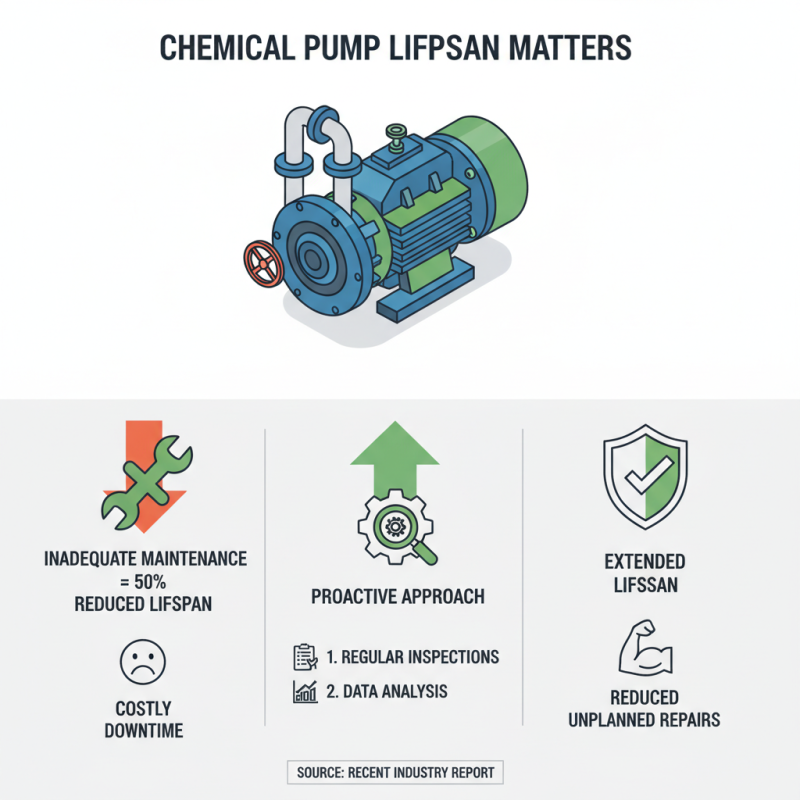
When assessing the maintenance and lifespan of chemical pumps in industrial environments, several factors come into play. A recent industry report indicates that inadequate maintenance can reduce a pump's lifespan by up to 50%. Regular inspections and data analysis are essential to identify wear and tear. This proactive approach helps avoid costly downtime and unplanned repairs.
One of the key tips for prolonging pump life is to implement a scheduled maintenance routine. Monitoring parameters such as pressure and flow rate regularly can highlight potential issues early. Adopting predictive maintenance strategies, which utilize real-time data, increases reliability. Investing in quality materials for components, especially seals, plays a crucial role in maintaining performance.
Additionally, understanding the chemical properties that a pump handles is vital. Some chemicals can cause corrosion or wear faster than others. Strengthening knowledge about fluid dynamics in your system can yield significant efficiency gains. Consider consulting with experienced professionals to tailor the right solution for your specific needs. This attention to detail can ultimately make a substantial difference in both maintenance costs and operational effectiveness.