How to Choose China Top Chemical Pump Manufacturers?
Choosing among China’s top chemical pump manufacturers requires more than comparing prices, certifications, or polished websites. The chemical pump market serves demanding industries, including water treatment, pharmaceuticals, mining, and specialty chemicals. Grand View Research reports continued growth in the global industrial pumps market, driven by process automation and stricter efficiency requirements. MarketsandMarkets also identifies corrosion resistance, energy consumption, and maintenance costs as key purchasing factors.
Dr. Lev Nelik, a recognized pump engineer and author, offers a useful warning: “Pump reliability begins with correct application, not with the pump itself.” That principle matters when reviewing Chinese suppliers. A pump handling hydrochloric acid needs different materials than one transferring solvents, slurry, or high-temperature caustic liquids. Ask for wetted-part specifications, seal arrangements, flow curves, factory testing records, and references from comparable plants. Look closely at the details.
A serious evaluation should also examine engineering support after delivery. Can the manufacturer calculate NPSH correctly? Can it provide spare parts quickly? Does its quality system cover casting, machining, assembly, and pressure testing? ISO 9001 certification helps, but it does not replace production evidence or customer verification.
There is no perfect supplier.
Some buyers focus too heavily on the lowest quotation. That can create hidden costs through leakage, unstable performance, or frequent seal replacement. A better shortlist combines technical fit, documented experience, transparent communication, and lifecycle value. This guide explains how to compare China’s leading chemical pump manufacturers with practical criteria, reliable evidence, and a healthy willingness to question impressive claims.
Define Your Chemical Pump Requirements and Operating Conditions
Choosing among China’s top chemical pump manufacturers starts with a clear definition of your process. Do not select a pump from flow rate alone. Record the fluid’s chemical composition, concentration, viscosity, temperature, density, and solid content. Note whether the liquid crystallizes or changes properties during operation. These details directly affect wetted materials, seal design, and pump performance.
Measure the required flow and discharge pressure at the real installation point. Include pipe length, elbows, elevation, filters, and control valves. Calculate total dynamic head rather than relying on an old estimate. Check the available NPSH, especially when the liquid is hot or stored below the pump. A small inlet pipe can create serious cavitation. It sounds minor.
Operating conditions also need careful review. Will the pump run continuously, intermittently, or with frequent starts? Can it face dry running, outdoor temperature changes, vibration, or unstable power? Ask manufacturers for performance curves, material certificates, test records, and maintenance guidance. Confirm whether the proposed pump handles your actual fluid, not only clean water. A first specification is often wrong. Recheck measurements after a site visit. I have seen projects change after discovering a shorter pipe route, unexpected solids, or a higher starting pressure. Reliable manufacturers should welcome these questions and explain limitations clearly, including efficiency loss, seal replacement intervals, and acceptable operating ranges. This practical transparency is more valuable than an impressive catalogue figure.
How to Choose China Top Chemical Pump Manufacturers?
Define the required flow rate, differential head, fluid temperature, and viscosity before evaluating chemical pump manufacturers. The following representative duty points reflect common chemical-transfer operating conditions and should be verified against your actual process data.
Selection note: Higher temperature, viscosity, flow rate, and differential head can significantly affect pump materials, seal design, motor power, and hydraulic performance.
Compare Pump Types, Materials, and Chemical Compatibility
Choosing among China’s top chemical pump manufacturers requires more than comparing flow rate and price.
Start with the process. Centrifugal pumps suit continuous, low-viscosity transfer, while diaphragm pumps handle dosing, solids, and intermittent operation. Magnetic-drive pumps reduce seal leakage risks. Peristaltic pumps can protect sensitive fluids through gentle, low-shear movement. The choice changes with pressure, viscosity, temperature, and solids content.
Material selection needs evidence.
Polypropylene and PVDF may resist many acids, but concentration and temperature can change performance quickly. Stainless steel is not universally safe. Check the chemical compatibility chart for the exact fluid, temperature, and exposure time. Compatibility is conditional. Ask for evidence. The U.S. Department of Energy’s Pumping System Sourcebook notes that pumping systems can consume 25% to 50% of industrial facility electricity. Efficient hydraulics, correct sizing, and variable-speed control therefore affect operating cost, not only purchase price.
When comparing manufacturers, request certified material records, hydraulic test curves, leakage-test results, and traceability for wetted parts. ISO 2858 dimensions help confirm interchangeability for many centrifugal pumps. API 685 is relevant when evaluating sealless centrifugal designs. A serious supplier should explain its testing method, not merely display a certificate. I would also inspect the factory’s assembly area and ask for a reference installation using a similar chemical. Data sheets can be incomplete. That small gap deserves attention before approval.
Evaluate Manufacturer Expertise, Certifications, and Production Capacity
How to Choose China Top Chemical Pump Manufacturers?
Manufacturer expertise should match your chemical process, not just your product list. Ask for project records involving corrosive liquids, solvents, high temperatures, or abrasive particles. Request material certificates, performance curves, and test records for similar operating conditions. ISO 5199 can guide centrifugal pump quality and testing requirements. API 685 may apply to sealless centrifugal pumps. Independent certification matters more than attractive brochures.
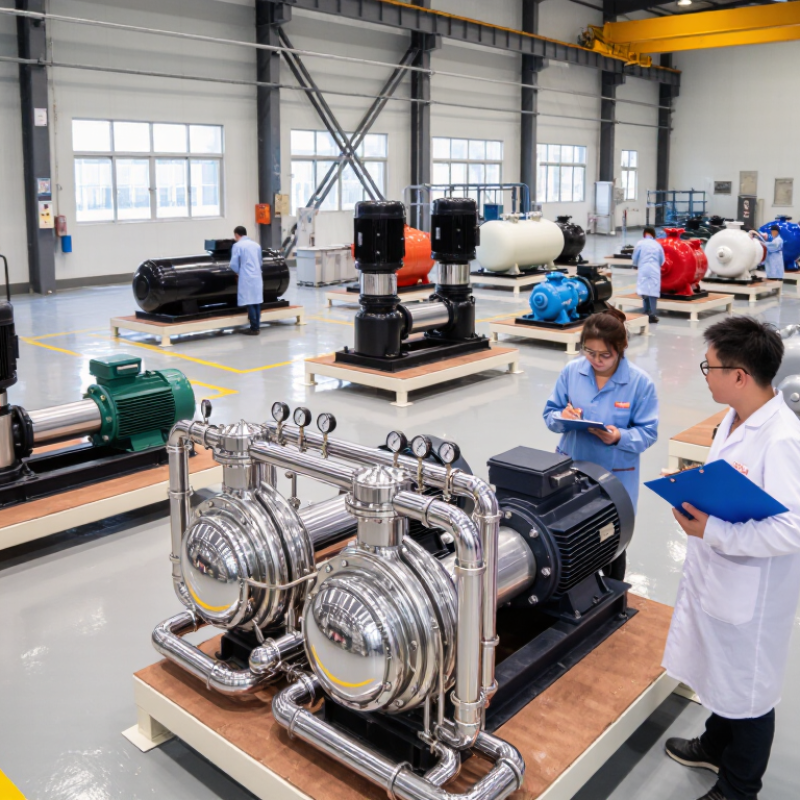
Production capacity needs physical evidence. Visit the workshop, if possible. Check machining equipment, assembly areas, spare-part storage, and final testing stations. A reliable factory should control pressure testing, vibration checks, electrical inspection, and serial-number traceability. The U.S. Department of Energy reports that pumping systems may consume 25–50% of industrial facility electricity. Therefore, ask for efficiency data at your actual flow and head. The highest capacity is not always the best choice. Oversized pumps waste energy.
Tips: Review certificates with the issuing body. Compare test data with your process sheet. Ask how many pumps the factory can test daily, not merely assemble. Check whether critical components come from controlled suppliers. A certificate alone can still hide weak production control. I have seen specifications look complete while maintenance details remain vague. That deserves a second review. Consider response time, documentation quality, and field-service capability before signing a long-term agreement.
Review Quality Control, Testing Standards, and Customization Services
When choosing China’s top chemical pump manufacturers, inspect quality control beyond a certificate.
The ISO Survey 2023 recorded more than one million ISO 9001 certificates worldwide. Certification shows a system, not automatic pump reliability. Ask for batch records, material certificates, calibration dates, and nonconformance reports. I prefer suppliers that can show traceability from casting heat numbers to the final test sheet. Small details matter.
Testing standards reveal engineering discipline.
For centrifugal pumps, review compliance with ISO 5199, while API 685 may apply to sealless designs. Request hydrostatic pressure, hydraulic performance, vibration, noise, and NPSH test results. The U.S. Department of Energy reports that pumping systems can consume 25–50% of industrial facility electricity in some sectors. Poor efficiency becomes an operating cost, not merely a technical defect. Factory testing should use calibrated instruments and record flow, head, speed, and power. Ask for raw data. Polished summaries can hide unstable results.
Customization is equally important.
A serious manufacturer should calculate corrosion allowance, seal compatibility, solids content, temperature, viscosity, and hazardous-area requirements. Materials may include fluoropolymers, duplex steel, or engineered ceramics, depending on the fluid. Site conditions must shape the design. I would also request a witnessed test for critical orders. It costs more. Still, one overlooked temperature change can invalidate a promising selection. Paperwork can look complete while field commissioning remains difficult. That is where supplier experience becomes visible.