Why Choose Water Soluble Fertilizers for Your Crops?
In modern agriculture, choosing the right fertilizer is crucial for crop success. Water Soluble Fertilizers have gained popularity among farmers. According to Dr. Sarah Albright, a leading expert in agronomy, “Water Soluble Fertilizers offer targeted nutrition, enhancing plant growth and yield.” This statement underscores the importance of selecting high-quality fertilizers for optimal results.
Farmers face many challenges, including soil health and nutrient availability. Water Soluble Fertilizers address these issues effectively. They dissolve quickly in water, making essential nutrients readily available to plants. This feature not only promotes rapid absorption but also reduces nutrient waste. However, not all fertilizers are created equal. Some may not meet the nutrient requirements for specific crops, leading to suboptimal growth.
An important aspect of using Water Soluble Fertilizers is understanding the right application methods. Farmers must consider factors such as crop type and growth stage. Misapplication can lead to nutrient imbalances. Thus, careful planning is necessary. Continuous learning about these fertilizers can lead to improved farming practices and better yields. Balancing benefits and potential drawbacks is key in this ever-evolving field.
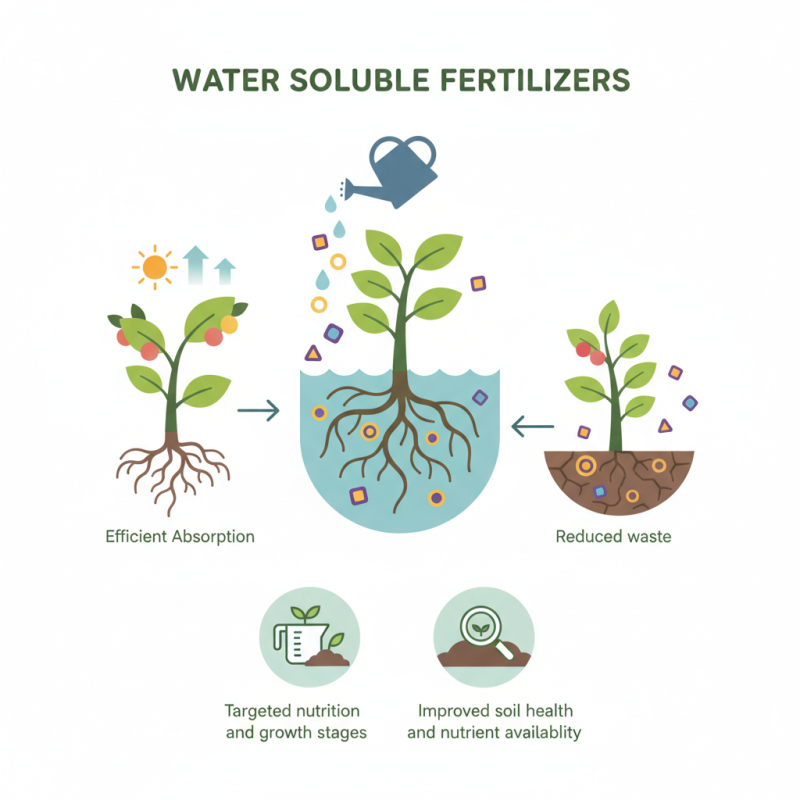
Benefits of Water Soluble Fertilizers for Crop Growth
Water-soluble fertilizers (WSFs) are essential for modern crop production. They allow nutrients to dissolve quickly in water, making them readily available to plants. According to a study published by the International Fertilizer Association, WSFs can improve nutrient uptake efficiency by up to 30%. This efficiency can lead to significant increases in crop yield, emphasizing their importance in precision farming.
Using WSFs can lead to healthier plants with vigorous growth. Research indicates that crops fertilized with water-soluble options display enhanced root development, resulting in better resilience to environmental stress. One study noted that fields using WSFs recorded a 20% increase in harvestable yields compared to those using traditional fertilizers. Nutrient solubility allows farmers to fine-tune feeding schedules, ultimately optimizing production throughout the growing season.
While WSFs offer clear benefits, challenges exist. They may require more careful management to avoid over-fertilization, which can damage crops. Additionally, improper use can lead to nutrient runoff, causing environmental concerns. Awareness of these issues is crucial for sustainable agricultural practices. The effective implementation of WSFs must balance enhancing crop growth with preserving soil and water quality.
Comparison of Water Soluble and Traditional Fertilizers
When comparing water soluble fertilizers to traditional types, several key factors emerge. Water soluble fertilizers dissolve quickly in water, allowing for immediate nutrient absorption by plants. This fast uptake leads to quicker growth and improved crop yields. Traditional fertilizers, while effective, release nutrients more slowly, making it challenging for crops to access them during critical growth stages.
Water soluble options also offer flexibility. Farmers can adjust concentrations based on plant needs or soil conditions. This promotes optimal growth in various environments. However, over-application can lead to nutrient runoff, which can harm local ecosystems. Thus, careful application is necessary to avoid waste and protect water sources.
Tips for using water soluble fertilizers include testing soil before application. Understanding nutrient levels helps prevent excess use. Additionally, consider applying fertilizers during cooler parts of the day. This practice reduces evaporation and maximizes nutrient availability. Remember, even the best fertilizers require thoughtful application to ensure they benefit crops effectively.
How to Use Water Soluble Fertilizers Effectively
Water soluble fertilizers offer a flexible approach to nutrient delivery for crops. Using these fertilizers effectively can maximize growth and yield. When applying, make sure to follow the recommended dosage. Over-fertilizing can lead to nutrient runoff and harm the environment. It’s crucial to assess soil health before application.
Mix the fertilizer with water and apply it directly to the root zone. This method allows for rapid nutrient uptake. A drip irrigation system can enhance this process. Monitor the crop conditions regularly. Adjust the concentration if you notice any signs of nutrient deficiency or excess. Reflect on previous growth seasons to guide your strategy.
Timing is essential. Apply water soluble fertilizers during critical growth stages. For example, early flowering can benefit from extra phosphorus. Make adjustments based on weather patterns. Rain can wash away applied fertilizers, reducing effectiveness. Use a soil test to determine the specific needs of your crops. Keeping detailed records will help refine future applications.
Environmental Impact of Water Soluble Fertilizers
Water soluble fertilizers have gained attention for their environmental benefits. Their formulation allows crops to absorb nutrients more efficiently. Research from the International Fertilizer Association indicates that water soluble fertilizers can reduce nutrient runoff by up to 30%. This reduction helps preserve local waterways from harmful algal blooms. The process of precision agriculture further enhances these benefits by allowing farmers to apply nutrients precisely when and where needed.
However, the production of these fertilizers is not without its challenges. Some manufacturing processes can be energy-intensive. This raises concerns about carbon emissions. A 2022 report by the Food and Agriculture Organization highlights that optimizing production methods is crucial. The industry must innovate to minimize environmental footprints while maintaining efficiency. Additionally, improper application can still lead to leaching, which pollutes groundwater. Sustainable practices are essential to mitigate these issues.
Farmers and agronomists are encouraged to stay updated with the latest research. Continuous education on the appropriate use of water soluble fertilizers can enhance their effectiveness. Balancing efficiency with environmental responsibility remains a challenge. The focus should be on integrating these fertilizers into a holistic farming approach. This method seeks not only to boost crop yields but also to protect our ecosystem for future generations.
Choosing the Right Water Soluble Fertilizer for Your Crops
When selecting the right water soluble fertilizer for crops, it's essential to consider the nutrient needs of your plants. Water soluble fertilizers offer rapid nutrient absorption, significantly benefiting crop yield. According to a report by the Food and Agriculture Organization, plants can absorb over 90% of nutrients from water soluble sources, compared to less than 50% from traditional fertilizers. This efficiency can lead to higher productivity and healthier crops.
Farmers should consider several factors when choosing the right formula. Soil type, crop species, and growth stage all play crucial roles. For instance, leafy vegetables often require high nitrogen content, whereas fruiting crops might need higher potassium levels. Always conduct soil tests to determine specific nutrient deficiencies. This step can prevent over-application and reduce environmental impact.
Tip: Consider using a blended water soluble fertilizer. This can ensure a balanced nutrient supply tailored to crop requirements. Monitoring crop health regularly allows for timely adjustments. Another area to reflect upon is the timing of application. Fertilizing at the correct growth stage can maximize nutrient uptake. Efficient application leads to reduced waste and improved crop health.