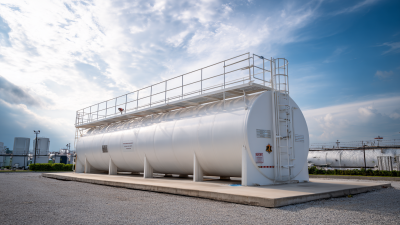
How to Choose the Right Diesel Tank for Your Needs?
Choosing the right diesel tank is crucial for efficiency and safety. A diesel tank must meet various requirements. Capacity, materials, and storage conditions matter significantly.
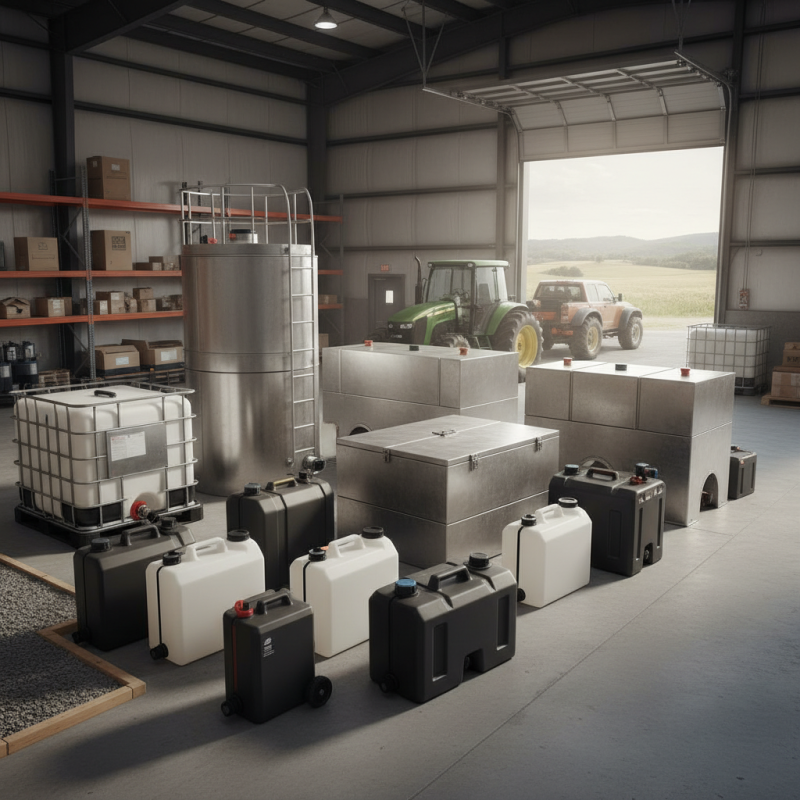
Many options are available, but not all fit your needs. Consider your vehicle types and usage patterns. Some tanks are portable, while others are stationary. This distinction changes how you store and use the fuel. Portable tanks allow flexibility for refueling in remote areas. However, they can pose safety risks if not handled correctly.
Understanding your specific needs helps you make the right choice. Evaluate how much fuel you will store regularly. Think about the environment where the tank will be placed. Different regulations may apply depending on the location. Choosing the right diesel tank involves careful consideration of all these factors. The decision is not always straightforward. It requires balancing safety, practicality, and compliance.
Understanding Your Diesel Storage Requirements
When considering diesel storage, understanding your specific requirements is key. Assess the volume of diesel you need. Are you managing a fleet? Or do you require fuel for a single generator? Storage needs can vary greatly based on these factors. A small operation may only need a few hundred liters, while larger enterprises may require several thousand.
Safety is another crucial aspect. Make sure you store diesel in an approved tank. Consider the location of the tank; it should be easily accessible yet safe from hazards. Think about environmental factors, too. Tanks should be placed where they can be monitored for leaks and spills. Leaks can lead not only to financial loss but also to environmental damage.
Reflect on the tank's features you require. Do you need a simple storage solution, or do you want integrated monitoring systems? Assess the lifespan of the tank. Will it meet your needs for years to come? These are important considerations. Remember, poor decisions here can lead to costly mistakes down the line. Take your time evaluating your needs.
Diesel Storage Tank Capacity Comparison
Evaluating Different Types of Diesel Tanks
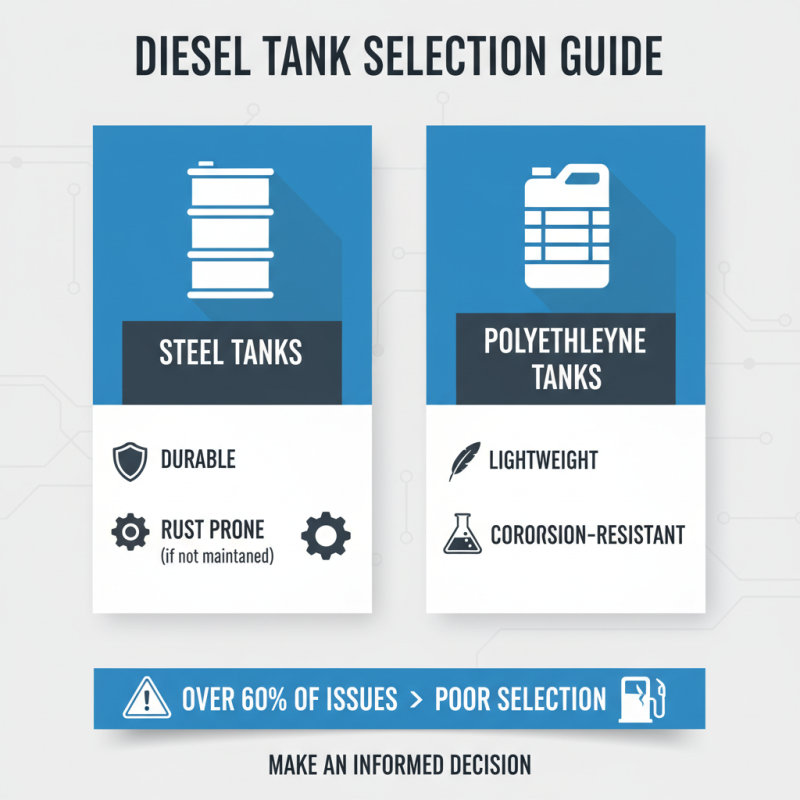
When evaluating different types of diesel tanks, consider the tank's size and material. Steel tanks are durable but can be prone to rust if not maintained. On the other hand, polyethylene tanks are lightweight and resistant to corrosion. According to industry reports, over 60% of diesel storage issues are linked to poor tank selection. This highlights the importance of making an informed decision.
Tips: Always check local regulations before purchasing. Some areas have strict requirements for tank materials and installation. Consideration of capacity is crucial too. A tank that is too small may lead to frequent refueling, while an oversized tank can waste space and resources.
It's essential to assess the placement of the tank as well. Tanks need adequate ventilation and must be away from potential hazards. Many users underestimate tank placement, leading to issues down the line. Research shows that about 15% of diesel tanks fail due to improper site selection. With proper evaluation, these mistakes can be avoided. Always reflect on past experiences to inform future choices.
Key Features to Look for in a Diesel Tank
When selecting a diesel tank, consider key features carefully. Size is a primary factor. Ensure the tank meets your specific storage requirements. A tank that is too small will require frequent refills. On the other hand, an oversized tank can take up unnecessary space.
Check the material of the tank as well. Steel tanks offer durability but can weigh more. Plastic tanks are lighter but may not be as robust. Each material has its pros and cons. Evaluate your environment. Corrosive conditions may require a more resistant option.
**Tip:** Always look for tanks with built-in safety features. This includes spill containment and venting options. These features help prevent accidents and protect the environment.
Consider the tank’s portability. Some tanks come with wheels or handles, making them easier to transport. If you plan to move the tank frequently, portability is essential.
**Tip:** Research the installation process. Some tanks may require professional installation. Understanding this helps avoid surprises and ensures safe setup.
Remember to check local codes and regulations. Compliance is critical for any storage solution. Inform yourself about any required permits or standards in your area.
Assessing Regulatory Compliance and Safety Standards
When selecting a diesel tank, compliance with regulatory standards is crucial. Organizations like the Environmental Protection Agency (EPA) provide guidelines that must be followed. If you don't comply, your operations could face serious fines or shutdowns. It's vital to recognize these regulations when choosing a tank.
There are several safety standards to consider. For instance, the National Fire Protection Association (NFPA) sets rules regarding tank placement. Tanks must be stored safely to prevent spills and leaks. Yet many overlook these requirements. This can lead to environmental hazards.
Tip: Always consult local regulations before installation. This can save you time and money.
Also, consider the tank's design. Double-walled tanks offer added security against leaks. However, they may be more expensive. Proper insulation also plays a role in maintaining fuel quality and safety.
Tip: Regularly inspect your tank. Look for signs of wear or leaks. Identifying issues early can prevent larger problems.
How to Choose the Right Diesel Tank for Your Needs? - Assessing Regulatory Compliance and Safety Standards
| Tank Type |
Capacity (liters) |
Regulatory Compliance |
Safety Features |
Typical Applications |
| Above Ground Diesel Tank |
1,000 |
EPA Regulations |
Double Wall, Leak Detection |
Construction Sites, Farms |
| Underground Diesel Tank |
3,000 |
UST Compliance |
Corrosion Protection, Overfill Prevention |
Fuel Stations, Fleet Operations |
| Portable Diesel Tank |
200 |
DOT Regulations |
Spill Containment, Secure Locking System |
Construction Equipment, Remote Locations |
| Fuel Cart |
100 |
Local Safety Standards |
Safety Shutoff, Fire Extinguisher |
Agricultural Use, Small Operations |
Maintenance and Lifespan Considerations for Diesel Tanks
When choosing a diesel tank, maintenance and lifespan are critical considerations. A well-maintained diesel tank can last 10 to 20 years. According to industry reports, corrosion is the leading cause of tank failure. Regular inspections can identify rust and wear before they become serious issues.
Tip: Schedule annual maintenance checks. Look for signs of corrosion. Act quickly if you find leaks or weak points. Proper care can prevent costly repairs and extend tank life.
Another key factor is the environment. Tanks must withstand weather elements. Exposure to water and fluctuating temperatures can decrease lifespan. Consider placing your tank in sheltered areas. Use protective coatings to fend off rust and deterioration from environmental factors.
Tip: Monitor the surrounding area for moisture build-up. This simple action helps mitigate corrosion risks. Choose your site wisely. An appropriate location is essential for longevity.