How to Choose the Best Diesel Tank with Pump for Your Needs
When it comes to fueling vehicles and machinery, selecting the right equipment is essential for efficiency and safety. One of the critical components in any diesel fueling system is the diesel tank with pump, which enables easy storage and dispensing of diesel fuel. The market is flooded with various options, making it increasingly challenging to determine which diesel tank with pump best suits your needs. Understanding your requirements and the features available is paramount in making an informed decision.
In this guide, we will explore key considerations that will guide your purchase. Factors such as capacity, portability, and durability are crucial when assessing different diesel tanks with pumps. Additionally, we will discuss safety features, compatibility with your fuel dispensing needs, and compliance with local regulations. By the end of this article, you will have a comprehensive understanding of how to choose the best diesel tank with pump, ensuring that you are well-equipped for your fueling operations.
Understanding Diesel Tanks: Types and Features
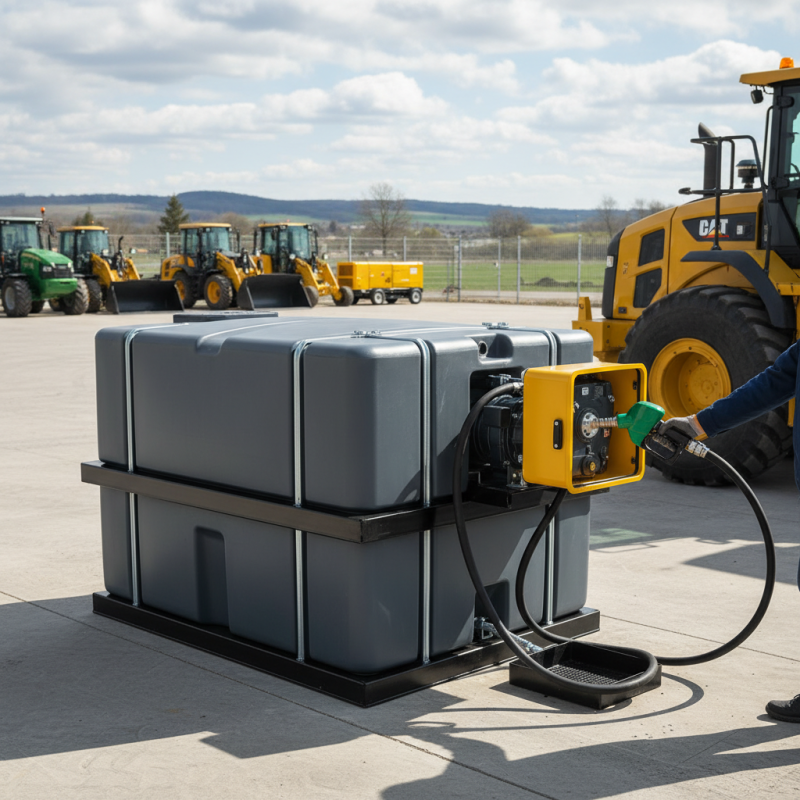
When selecting a diesel tank with a pump, understanding the different types and features is crucial. There are primarily three types of diesel tanks: above-ground tanks, underground tanks, and mobile tanks. Above-ground tanks are often preferred for their easier access and monitoring capabilities, while underground tanks are used when space is limited or when local regulations require buried storage. Mobile tanks, typically mounted on trailers or trucks, offer flexibility for refueling in remote locations.
In addition to type, various features can significantly impact your choice. Capacity is a primary consideration; larger tanks reduce the frequency of refueling but require more space. Additionally, look for tanks with integrated pumps, filtration systems, and safety features like spill containment and leak detection. Smart technology is also becoming increasingly popular, with options for remote monitoring and automatic shut-off features. Evaluating these types and features will help ensure you select the best diesel tank that aligns with your operational needs and safety standards.
Factors to Consider When Selecting a Diesel Tank
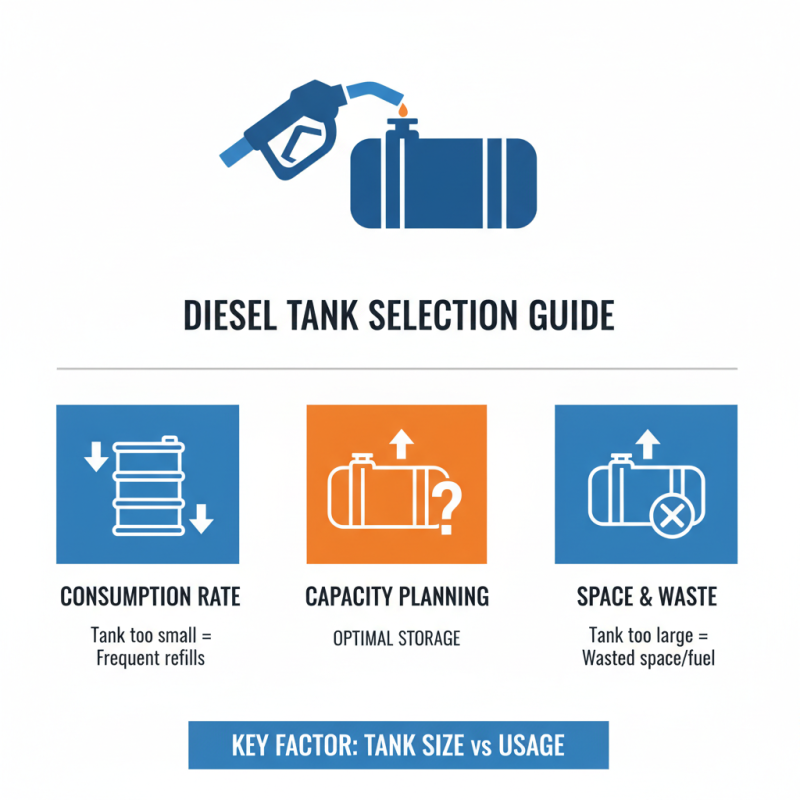
When selecting a diesel tank with pump, various factors should guide your choice to ensure it meets your specific needs. One of the most crucial considerations is the tank's capacity. Assess your consumption rate to determine how much fuel storage is necessary. A tank that's too small may lead to frequent refills, while an oversized tank can take up unnecessary space and lead to fuel wastage.
Another key aspect is the tank's material and construction quality. Look for tanks made from durable materials resistant to corrosion, as they are more likely to withstand long-term use and harsh weather elements. Additionally, check if the tank complies with local regulations regarding fuel storage and safety measures.
**Tips:** Always consider incorporating a filtration system with your diesel tank to ensure that your fuel remains clean and free from contaminants. Moreover, investing in a tank with suitable pump specifications can enhance efficiency, allowing for faster transfer times when refueling. Lastly, ensure that the tank you choose has a warranty or service agreement to protect against potential defects or issues down the line.
Importance of Pump Selection for Diesel Tanks
When selecting a diesel tank, the importance of pump selection cannot be overstated. The right pump directly impacts the efficiency, safety, and cost-effectiveness of your operations. According to the American Petroleum Institute, improper pump choices can lead to a 20-30% increase in fuel theft and transfer losses. Utilizing a quality pump ensures that you are not only maximizing fuel consumption but also minimizing wastage and protecting your investment.
Different diesel operations require distinct pump specifications. For instance, fuel transfer pumps operate best within certain flow rates and pressure ranges; failure to align these with your tank's output can hamper performance. A report by the National Oilheat Research Alliance indicates that choosing the correct pump can enhance flow rates by up to 15%, resulting in faster delivery and reduced downtime. Additionally, selecting pumps with advanced safety features, such as automatic shut-off valves or vapor recovery systems, can significantly mitigate risks associated with spills and environmental hazards. By thoroughly analyzing your fuel needs and aligning them with appropriate pump technologies, you can achieve optimal performance in your diesel operations.
Safety and Compliance Considerations for Diesel Tanks
When selecting a diesel tank with a pump, safety and compliance should be your foremost considerations. According to the Environmental Protection Agency (EPA), improper storage of diesel fuel can lead to leaks and spills, which not only pose environmental hazards but also result in compliance violations that may incur hefty fines. The EPA requires that diesel fuel storage tanks be equipped with secondary containment systems to mitigate risks of spills, which can hold 110% of the primary tank's volume. Ensuring your tank meets these regulations is crucial for preventing costly repercussions.
Furthermore, it is essential to consider the latest standards set forth by the American Petroleum Institute (API). In their 653 standard, API emphasizes the importance of regular inspections and maintenance for diesel storage tanks to ensure their integrity. A survey by the National Association of State Fire Marshals found that 40% of fuel storage tank incidents arise from operational failures or inadequate maintenance practices. By investing in a tank that is compliant with API standards and emphasizes safety features, you can significantly reduce the risk of accidents and maintain compliance with state and federal laws.
Diesel Tank Capacity and Compliance Overview
The following chart illustrates the capacities of different types of diesel tanks and their compliance with safety measures, which are critical for selecting the best diesel tank with pump for your needs.
Maintenance and Care Tips for Diesel Tanks and Pumps
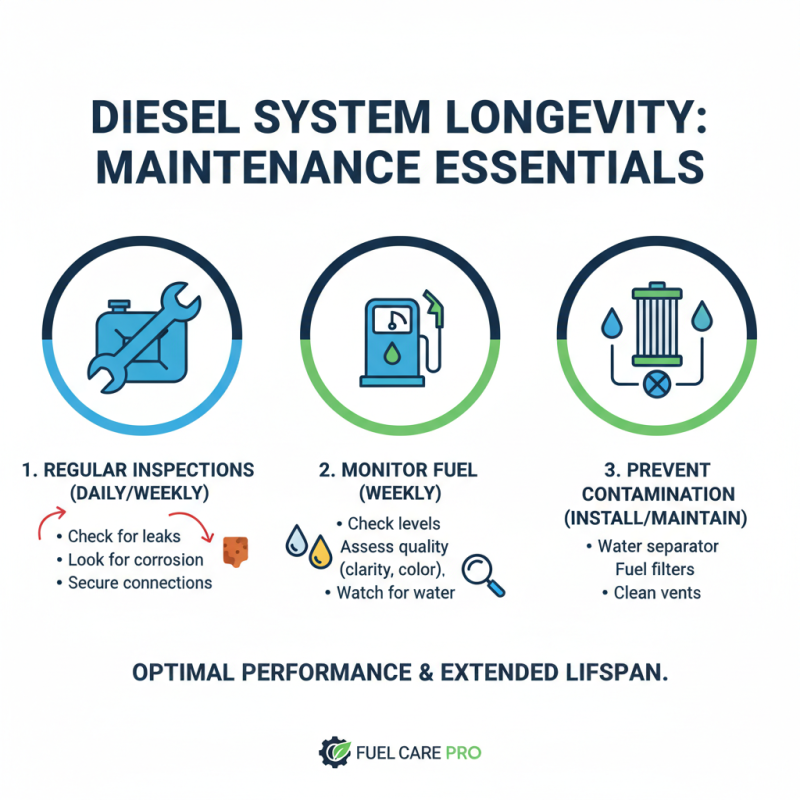
Maintaining a diesel tank and pump is crucial for ensuring longevity and optimal performance. Regular inspections should be a part of your routine, as they help identify any leaks or corrosion that could compromise the system. Make it a practice to check the fuel levels and quality weekly. Water contamination can significantly affect engine performance, so consider installing a water separator to filter out any impurities.
Proper cleaning is essential for both the tank and pump. At least once a year, perform a thorough cleaning to remove debris, sludge, and any other contaminants that may have accumulated. It’s also advisable to replace filters regularly to maintain the efficiency of the pump. Additionally, protect your equipment from the elements by investing in a weatherproof enclosure, which can prevent rusting and other weather-related damage. Following these maintenance tips will help you keep your diesel tank and pump operating smoothly for years to come.