What Is Bovine Gelatin and What Is It Used For?
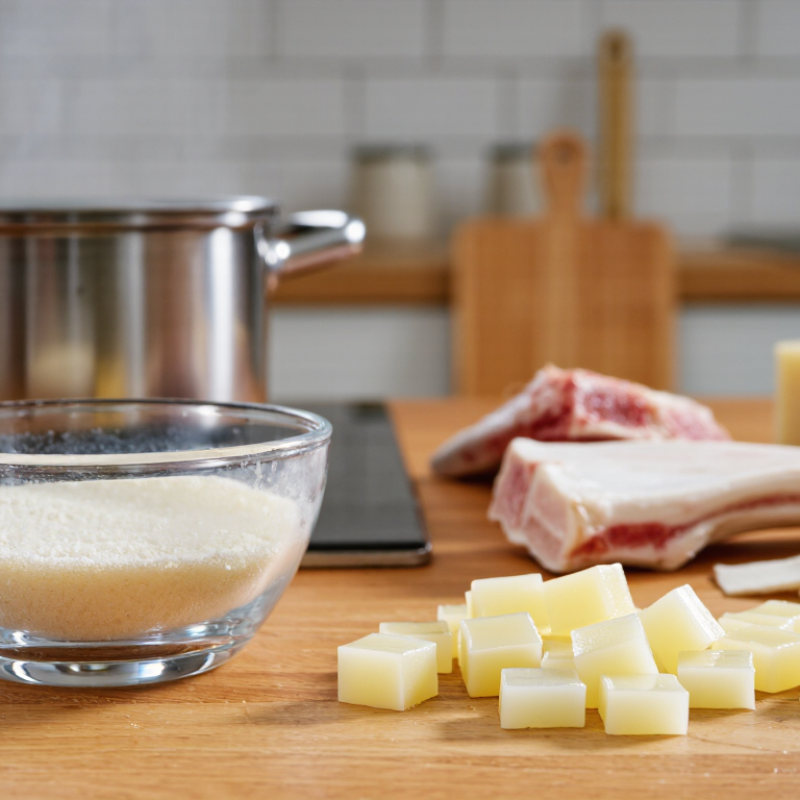
Bovine Gelatin is a protein ingredient made by processing collagen from cattle hides or bones. It may sound like a simple powder. In practice, its behavior depends on how it is produced and used. Stir it into warm liquid, and it dissolves; cool the mixture, and it can form a soft, springy gel. That familiar texture appears in foods such as gummies, marshmallows, desserts, and some dairy products.
Food scientist David Julian McClements studies how ingredients function in food systems. A useful editorial paraphrase of that perspective is: “An ingredient’s role becomes clear in the product it helps create.” This is not a verbatim quotation. The distinction matters when explaining Bovine Gelatin accurately. It can help thicken, stabilize, bind, or create a gel, but it does not perform every function in every recipe. Temperature, acidity, concentration, and preparation all affect the result.
There is more to explore. This guide looks at what Bovine Gelatin is, how it is produced, and why manufacturers and home cooks use it. It also considers practical details, such as bloom strength, texture, and ingredient labeling. A small amount can change the feel of a dessert. Yet gelatin is not a perfect fit for every product or preference. Understanding its source and behavior makes it easier to choose—and to question—where it belongs.
What Bovine Gelatin Is and How It Is Produced
What Is Bovine Gelatin and What Is It Used For?
What Bovine Gelatin Is and How It Is Produced
Bovine gelatin is a protein ingredient made by extracting collagen from cattle hides or bones. Collagen gives connective tissue its strength; gelatin forms when that collagen is processed and becomes soluble in warm water. It sets into a soft gel as it cools. That texture is familiar in gummies, desserts, and some capsules.
Production starts with sorted raw materials, which are washed and prepared to remove dirt, fat, and other residues. The material is then conditioned with acid or alkaline solutions. This step helps loosen collagen, but the exact treatment varies with the raw material and desired properties. Hot water extracts the gelatin. Filtration, concentration, heat treatment, and drying follow, producing sheets, granules, or powder. The pale powder dissolves more readily in warm liquid than cold water.
A 2011 industry overview from Gelatin Manufacturers of Europe estimated worldwide gelatin output at about 326,000 tonnes. That figure is historical, not a current market measure. Manufacturing details also affect bloom strength, clarity, and setting behavior, so two bovine gelatins may not perform identically. It is a variable process, not a perfectly tidy recipe. In a kitchen, even a small difference in temperature or hydration can change how firmly a mixture sets.
What Is Bovine Gelatin and What Is It Used For? — What Bovine Gelatin Is and How It Is Produced
| Topic | Details |
| What it is | Bovine gelatin is a protein-rich ingredient made by processing collagen from cattle. It is not a single purified protein; it is a mixture of collagen-derived proteins and peptides. |
| Common raw materials | Collagen-containing cattle materials can include hides, bones, and connective tissues. The materials used depend on the manufacturing process and applicable food-safety requirements. |
| Preparation | Raw materials are cleaned and treated to help separate collagen from other components. Treatment may use acid or alkaline processes, depending on the material and the gelatin type being produced. |
| Extraction and finishing | Collagen is extracted with hot water. The resulting liquid is filtered and concentrated, then dried and milled into gelatin powder or formed into sheets, depending on the intended product. |
| Key functional property | In water, gelatin can form a thermo-reversible gel: it sets as it cools and melts when heated. Gel strength and setting behavior vary with the gelatin’s characteristics and how it is used. |
| Food uses | It can add structure or texture to foods such as gummy confectionery, marshmallows, desserts, and some dairy products. It is also used to help stabilize or clarify certain foods and beverages. |
| Pharmaceutical uses | Gelatin is used to make some hard and soft capsules and may serve as a binder or coating ingredient in pharmaceutical products. Suitability depends on the product formulation. |
| Other uses | Depending on its grade and formulation, gelatin can be used in applications such as photographic materials, cosmetic products, and selected technical processes. |
| Dietary considerations | Bovine gelatin is animal-derived, so it is not vegetarian or vegan. People following religious, ethical, or dietary restrictions should check the source and certification of the specific product. |
| Gelatin vs. collagen peptides | Both are derived from collagen, but collagen peptides are processed to dissolve readily and generally do not form a gel. Gelatin retains the ability to gel under suitable conditions. |
The Properties That Shape Bovine Gelatin’s Uses
Bovine gelatin is made by processing collagen from cattle tissues, then drying it into sheets, granules, or powder. Its useful behavior appears after hydration: warm liquid disperses it, and cooling lets protein chains form a soft, elastic network. The gel can melt again with heat. That cycle matters.
In foods, this structure gives gummies a chew, helps marshmallows hold air, and lets aspic keep a clean slice. Gelatin can also thicken soups and desserts, though prolonged heating or acidic mixtures may affect the final texture. Concentration, bloom strength, pH, and mixing temperature all play a part. Small details count. In pharmaceutical manufacturing, gelatin can form flexible, dissolvable shells for many capsules. It can also make thin edible films that slow moisture movement, but these are not perfect barriers.
These properties are useful, not universal. A cook may expect every powder to set alike; it will not. The source material and processing affect how gelatin performs, so a small test batch can be wiser than relying on a familiar recipe. It is tempting to treat gelatin as a simple thickener, but its texture depends on the whole mixture and how it is handled.
What Is Bovine Gelatin and What Is It Used For?
The Properties That Shape Bovine Gelatin’s Uses
Bloom strength measures gelatin gel firmness: higher values generally produce firmer gels at the same concentration. This property helps formulators choose gelatin for applications such as confectionery, desserts, and other foods that need a specific texture. The bands shown are approximate; grade cutoffs and the amount used vary by formulation.
How Bovine Gelatin Is Used in Food
Bovine gelatin is made from collagen in cattle hides and bones. In food, it is valued for how it sets liquids into a soft, springy gel. A cook typically lets the granules absorb cold water, then dissolves them gently in a warm mixture. The mixture firms as it cools. That matters. Gelatin melts close to body temperature, giving desserts such as panna cotta and mousse a smooth, delicate feel rather than a brittle snap.
It also helps hold air in marshmallows and some whipped desserts, and gives gummy sweets their familiar chew. In kitchens, small differences in measuring, temperature, or cooling time can change the result. Texture is the point. Too much gelatin may make a dessert rubbery; too little may leave it loose. Acidic fruit and other ingredients can affect setting, so recipes sometimes need adjustment. This is easy to overlook when following a recipe line by line. Gelatin is not a universal shortcut, and different products may vary in strength. For people avoiding animal-derived ingredients, its source is worth checking on the ingredient label.
Bovine Gelatin in Medicine, Cosmetics, and Industry
Bovine gelatin is made by processing collagen from cattle skin, bones, or connective tissue. In medicine, it can form the shell of capsules and help create certain sponges, dressings, or other materials. These products have specific purposes and manufacturing standards; gelatin itself is not a treatment. Its performance can vary with source and processing. That part is easy to overlook.
In cosmetics, bovine gelatin may help thicken a formula or leave a temporary film on skin or hair. It can also support texture, though it is not a guaranteed moisturizer. Industrial uses include selected adhesives, paper coatings, and textile processes, where gelatin can bind or form a thin layer. Results depend on factors such as temperature, moisture, and the product’s intended use. Details matter.
Tips: Check the ingredient list and product specifications if you avoid animal-derived materials. For medical products, ask a qualified health professional about suitability, especially if you have allergies or dietary concerns. For industrial work, confirm the grade and handling instructions before use. Small differences in processing can matter. Not every application is interchangeable.
Factors to Consider When Selecting Bovine Gelatin
Bovine gelatin is produced by processing collagen from cattle hides or bones. It dissolves in warm liquid and forms a gel as it cools. Food makers use it in gummies, marshmallows, desserts, and some dairy products. It can also thicken or stabilize mixtures.
Small details matter.
When selecting gelatin, match its Bloom strength to the finished product. Bloom strength indicates gel firmness: a higher value generally creates a firmer set, but it is not the only factor. Particle size and viscosity affect how quickly the powder hydrates and how smoothly it blends. For a clear dessert, clumps can spoil the texture. For capsules or other technical uses, follow the relevant product specifications rather than relying on food-grade assumptions.
Check the stated source, processing details, and batch documentation. Consistent specifications and appropriate quality testing help buyers compare suppliers more reliably. Ask how the gelatin should be stored and prepared; heat, moisture, and poor storage can affect performance.
Not always obvious.
Also consider dietary requirements and whether bovine origin suits the intended users. Some products may need particular certifications or documentation, depending on the application. A small test batch is sensible, since a recipe may behave differently with a new gelatin even when the Bloom rating looks similar.


