Best Diesel Storage Tank Options for Global Buyers?
In the ever-evolving world of fuel management, selecting the right diesel storage tank is essential for efficiency and safety. Industry expert John Miller, a veteran in fuel storage solutions, states, “Choosing the correct diesel storage tank can prevent costly mishaps and ensure reliable fuel supply.” With increasing demand for diesel fuel worldwide, understanding the various options available is crucial for global buyers.
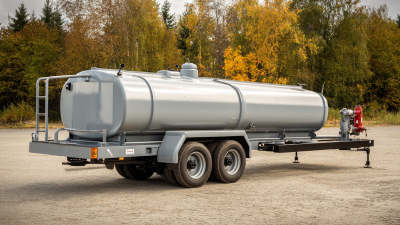
The market offers diverse diesel storage tank options, each catering to specific needs and regulations. Factors such as size, material, and compliance with safety standards influence the best choice. Some tanks are designed for above-ground installation, while others are specialized for underground use, impacting their usability and costs.
It's not just about choosing a tank; it's about being informed and prepared. Many buyers overlook essential features or make hasty decisions, leading to inefficient storage practices. Flawless execution requires evaluating your exact requirements and understanding the infrastructure. Investing time in research can save significant expenses and potential risks associated with improper storage. Reflecting on these aspects, buyers can make informed choices in their diesel storage tank selection.
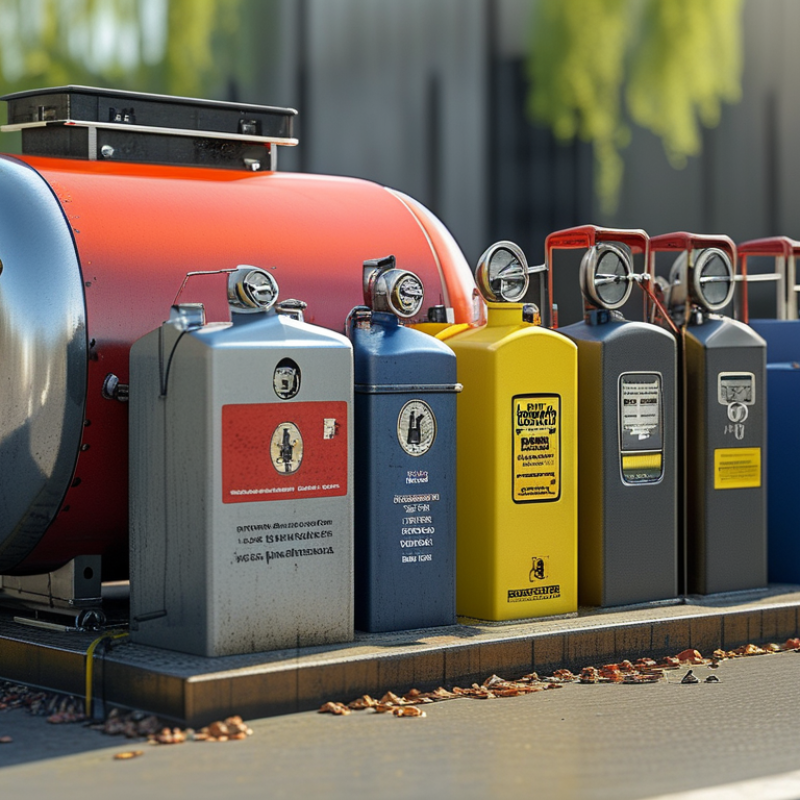
Best Practices for Selecting Diesel Storage Tanks
When selecting diesel storage tanks, several best practices can guide buyers. Understanding the tank's capacity is crucial. Too small a tank can lead to frequent refueling and operational disruptions. Too large can create unnecessary costs. Buyers should assess their daily consumption and future needs to choose appropriately.
Material choice plays a vital role in tank durability. For instance, steel tanks often resist corrosion better than plastic options. However, plastic tanks can be lighter and easier to install. Evaluating environmental factors is essential. Are there extreme temperatures? Is the tank exposed to harsh weather? These realities will influence material decisions.
Regulatory compliance is another area demanding attention. Local laws often dictate requirements for installation, maintenance, and monitoring. Ignoring these can lead to serious penalties. While the selection process can be daunting, getting it right ensures safety and efficiency. Regular assessments can illuminate areas for improvement and contribute to better operational practices.
Best Diesel Storage Tank Options for Global Buyers
| Tank Type |
Capacity (Liters) |
Material |
Key Features |
Price Range (USD) |
| Above Ground |
5000 |
Steel |
Durable, Easy to install, Gravity-fed |
$2000 - $4000 |
| Underground |
10000 |
Fiberglass |
Corrosion-resistant, Space-saving |
$3000 - $6000 |
| Portable Tank |
1000 |
Polyethylene |
Lightweight, Versatile usage |
$500 - $1200 |
| Double-walled Tank |
7500 |
Aluminum |
Leak-proof, Extra safety measures |
$4000 - $8000 |
| Integrated Fuel Storage |
15000 |
Steel |
Integrated pump system, High capacity |
$5000 - $10000 |
Key Features to Consider When Choosing Diesel Storage Solutions
When selecting a diesel storage tank, several key features warrant attention.
Size and capacity are paramount. Evaluate the space available and the volume of diesel needed.
A tank that is too small will require frequent refills, leading to potential downtimes. However, an oversized tank can occupy unnecessary space and raise costs.
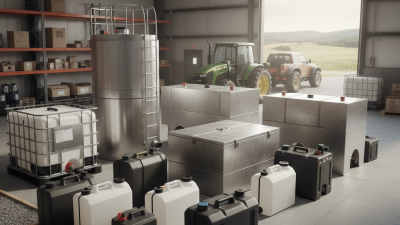
Material quality is another crucial factor. Many tanks are made from steel, fiberglass, or polyethylene.
Steel tanks can offer durability but may be prone to corrosion.
Fiberglass is lightweight and resistant to rust but can be more expensive.
Polyethylene tanks are often used for their affordability and UV resistance but may not handle extreme temperatures well.
Each material has its pros and cons, requiring careful consideration.
Don't overlook the importance of safety features. Look for tanks equipped with
secondary containment systems. These systems prevent spills and leaks, protecting the environment and ensuring compliance with regulations.
It's essential to consider maintenance requirements too. Regular inspections and upkeep can prevent costly issues down the road.
Balancing these elements can be challenging, yet they significantly influence the efficiency and reliability of your diesel storage solution.
Comparative Analysis of Steel vs. Plastic Diesel Tanks
When considering diesel storage tanks, the choice between steel and plastic is crucial. According to a recent market report, steel tanks hold approximately 70% of the market share due to their durability and resistance to various environmental factors. Steel tanks are less prone to UV degradation, which extends their lifespan significantly. However, they are heavier and can be more expensive, leading to increased transportation costs.
On the other hand, plastic tanks have gained popularity for their lightweight and corrosion-resistant properties. Reports indicate that they can be transported easily and cost less to install. Additionally, plastic tanks are resistant to many chemicals, making them suitable for diverse applications. Nonetheless, concerns about their longevity and potential environmental effects can arise. While they are typically less robust than steel tanks, recent advancements in manufacturing have improved their resilience.
Tip: When choosing between tank types, evaluate installation location and environmental conditions. Steel may be better in harsh climates, while plastic could suffice in less severe conditions.
Consider the weight and ground support of your chosen tank type. Heavy steel tanks require a solid base, while plastic tanks need less structural support. Identify your priorities; cost, durability, and usage will guide your decision.
Regulatory Compliance for Diesel Storage Tanks Worldwide
When it comes to diesel storage tanks, regulatory compliance is crucial. Different countries have specific regulations governing tank design, installation, and operation. It is essential to be aware of these local laws to avoid legal issues. Failing to comply can lead to severe penalties. Moreover, adhering to regulations ensures safety for both people and the environment.
For instance, many regions require tanks to be double-walled to prevent leaks. Additionally, regular inspections are often mandated. This adds an extra layer of safety, although some businesses find it burdensome. Understanding the intricacies of these requirements can feel overwhelming, especially for global buyers. Keep in mind that compliance not only protects your investment but also builds trust with your clients.
Moreover, different certifications may be needed depending on the location. These certifications often cover aspects like fire safety and environmental impact. Proper training for staff can also play a vital role. However, training is sometimes overlooked, exposing businesses to unnecessary risks. By addressing these compliance issues, buyers can make informed decisions about diesel storage tanks.
Best Diesel Storage Tank Options for Global Buyers
This chart illustrates the regulatory compliance levels for diesel storage tanks across various regions. Each bar represents the percentage of compliance with international standards, showcasing how different regions prioritize safety and environmental regulations.
Maintenance Tips for Optimal Diesel Tank Performance
Proper maintenance of diesel storage tanks is essential for ensuring optimal performance and longevity. Research from the
National Fire Protection Association (NFPA) indicates that regular inspections can reduce operational risks by 30%. One critical maintenance task is to check for leaks and corrosion. These issues can lead to significant environmental damage and costly repairs.
Another important aspect is maintaining the correct fuel temperature. Diesel is sensitive to temperature fluctuations, affecting its viscosity. Industry standards recommend keeping diesel within a
60°F to 70°F range for optimal performance. Installing proper insulation or heating systems can help achieve this. Ignoring temperature control can result in fuel degradation.
It's also vital to regularly clean and flush the tank. Contaminants can build up over time, impacting fuel quality. According to the
American Petroleum Institute, regular cleaning can extend the lifespan of a tank by up to 20%. Implementing a maintenance schedule, as outlined in the API guidelines, can help identify potential problems early. While some may view maintenance as a tedious chore, recognizing its importance can lead to improved operational efficiency and safety.