2026 Top Dc High Pressure Pump Buying Guide for Global Buyers?
In the fast-evolving market of high-pressure pumps, selecting the right Dc High Pressure Pump is crucial for efficiency. Expert James Miller once stated, "The key to optimal performance lies in understanding your specific needs." This principle is essential for global buyers seeking reliable and efficient solutions.
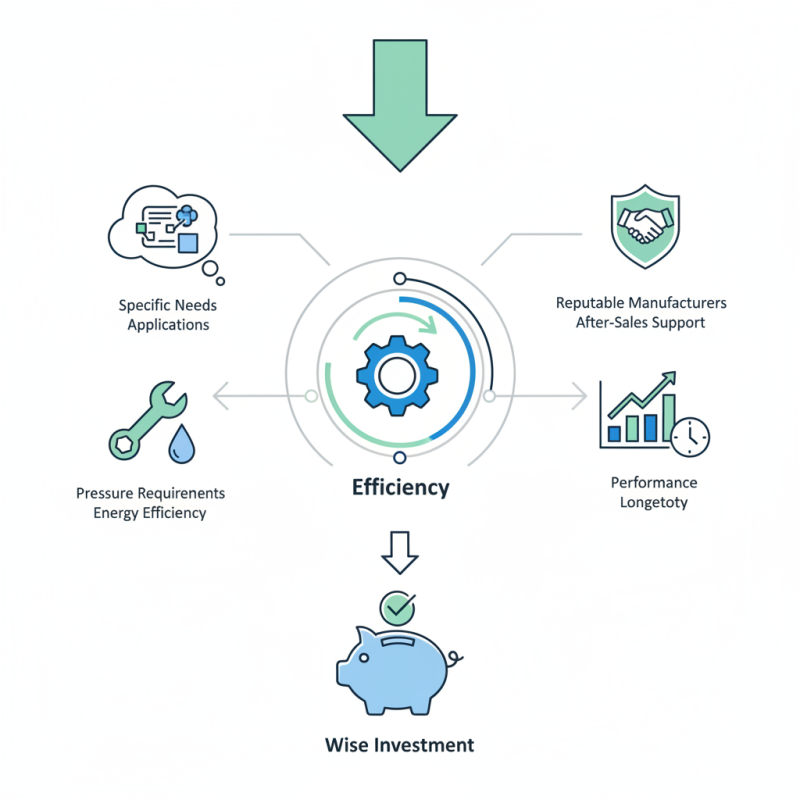
The demand for DC high pressure pumps is rising across various industries. As technology advances, so do the features of these pumps. Buyers face a challenge in choosing the best option. Factors such as pressure requirements and energy efficiency are critical. In the wrong application, even excellent pumps can underperform.
Understanding the specific needs of your operation is vital. Researching reputable manufacturers can help avoid pitfalls. Many buyers overlook after-sales support, which is equally important. Industry professionals consistently share insights on performance and longevity. Gathering this information can ensure a wise investment.
Understanding High Pressure Pumps and Their Applications
High pressure pumps play a crucial role in various industries. Their applications range from water treatment to oil and gas extraction. These pumps generate pressure that moves fluids effectively. Understanding their operation is vital for any buyer.
When considering a high pressure pump, focus on specific needs. Different industries demand varying pressures and flows. Assess the materials being pumped; corrosive substances require specialized components. Compatibility with existing systems can save significant costs.
Tips: Always consult with industry experts before making a purchase. They can provide insights into pump efficiency and maintenance. Consider testing a pump in real conditions to evaluate performance. Documentation is key; ensure a complete understanding of the pump’s specifications and tolerances. Neglecting these steps might lead to operational issues later.
Key Factors to Consider When Buying a High Pressure Pump
When selecting a high-pressure pump, understanding key factors is essential. Familiarize yourself with the pump's intended application. Different scenarios require specific types of pumps. For instance, a pump used for industrial cleaning tasks might differ from one used in agricultural irrigation. Assess your needs carefully.
Another crucial aspect to consider is the pump's material. The construction material affects durability and compatibility with various fluids. Stainless steel pumps often offer higher resistance to corrosion, while plastic models may suit lighter applications. Look into the pressure rating as well. Selecting a pump with insufficient pressure can lead to inefficiency.
While it is important to look for reputable manufacturers, do not overlook customer reviews. Real-world experiences shed light on reliability. Users often share insights that specifications cannot convey. It’s wise to balance expertise with actual performance feedback. A high-pressure pump is an investment, so ensure your choice aligns with your specific requirements.
Comparing Different Types of High Pressure Pumps Available
When exploring high pressure pumps, it's essential to understand the various types available on the market. Two common types are diaphragm pumps and piston pumps. Diaphragm pumps are often chosen for their ability to handle viscous fluids. They are ideal for applications involving chemicals. Piston pumps, on the other hand, excel in generating higher pressures, making them suitable for industrial cleaning and surface preparation.
Tips: Consider the specific fluid being pumped. Some pumps work better with particular substances. Assess your environment. Temperature and humidity can affect pump performance.
Another category to evaluate includes gear pumps. These are often used in applications requiring a steady flow rate. Their compact design allows for easy installation. However, they may not handle abrasive liquids well.
Tips: Frequent maintenance is crucial. Inspect seals and gaskets regularly to avoid leaks. Evaluate energy consumption. Some pumps may be more energy-efficient than others at similar output levels.
Top Brands and Models of DC High Pressure Pumps in 2026
When considering DC high pressure pumps for 2026, various brands offer unique features. These pumps cater to multiple applications, ensuring efficiency and reliability. Their robust design is essential for handling high-pressure tasks in industries like agriculture, automotive, and construction.
A few top models highlight advancements in technology, such as improved energy efficiency and compact size. Some pumps may seem powerful but could underperform in specific scenarios. It is crucial to evaluate performance metrics like flow rate and pressure ratings before making a choice. Not all popular choices guarantee quality or longevity. Conducting thorough research helps avoid potential pitfalls in the selection process.
User reviews often reveal insights into real-world applications. Regular maintenance is vital for optimal functioning. Some users report issues with durability over time, suggesting a need for diligent upkeep. By understanding the strengths and weaknesses of these models, buyers can make informed decisions that suit their specific needs.
2026 Top DC High Pressure Pump Performance Comparison
Maintenance Tips for Ensuring Longevity of Your Pump
Maintaining a high-pressure pump is essential for maximizing its lifespan and performance. Regular maintenance can prevent costly repairs and downtime. According to a study by the National Pump Association, nearly 30% of pump failures result from inadequate maintenance practices. Neglecting simple tasks like fluid level checks and filter replacements can lead to decreased efficiency.
Monthly inspections should include checking for leaks and ensuring hoses are secure. Often, users overlook these basics. A well-lubricated pump operates more efficiently. Lubrication reduces friction, cutting energy consumption by up to 10%, based on data from the Hydraulic Institute. Positive maintenance habits can extend the pump's longevity significantly.
Seasonal checks are equally important. Changing the oil and inspecting seals can prevent wear and tear. It's surprising how many operators skip these steps. Incorporating these practices not only ensures reliability but also fosters a proactive approach to pump health. Simple diligence can save resources in the long run and enhance overall operation efficiency.
2026 Top Dc High Pressure Pump Buying Guide for Global Buyers
| Pump Type | Max Pressure (psi) | Flow Rate (GPM) | Power Source | Weight (lbs) | Maintenance Frequency |
| Diaphragm Pump | 3000 | 2 | Electric | 25 | Monthly |
| Gear Pump | 4000 | 3.5 | Gasoline | 30 | Quarterly |
| Vane Pump | 3500 | 4.0 | Electric | 28 | Biannual |
| Submersible Pump | 5000 | 5.0 | Electric | 40 | Annually |